Todds Green

OLYMPUS DIGITAL CAMERA

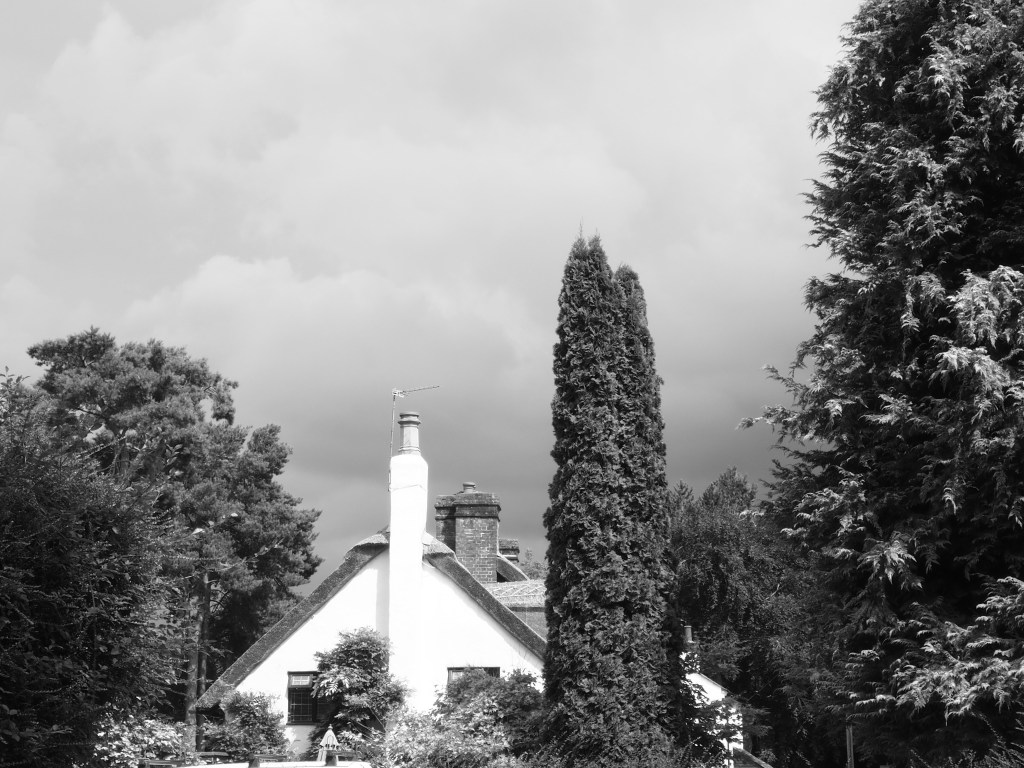
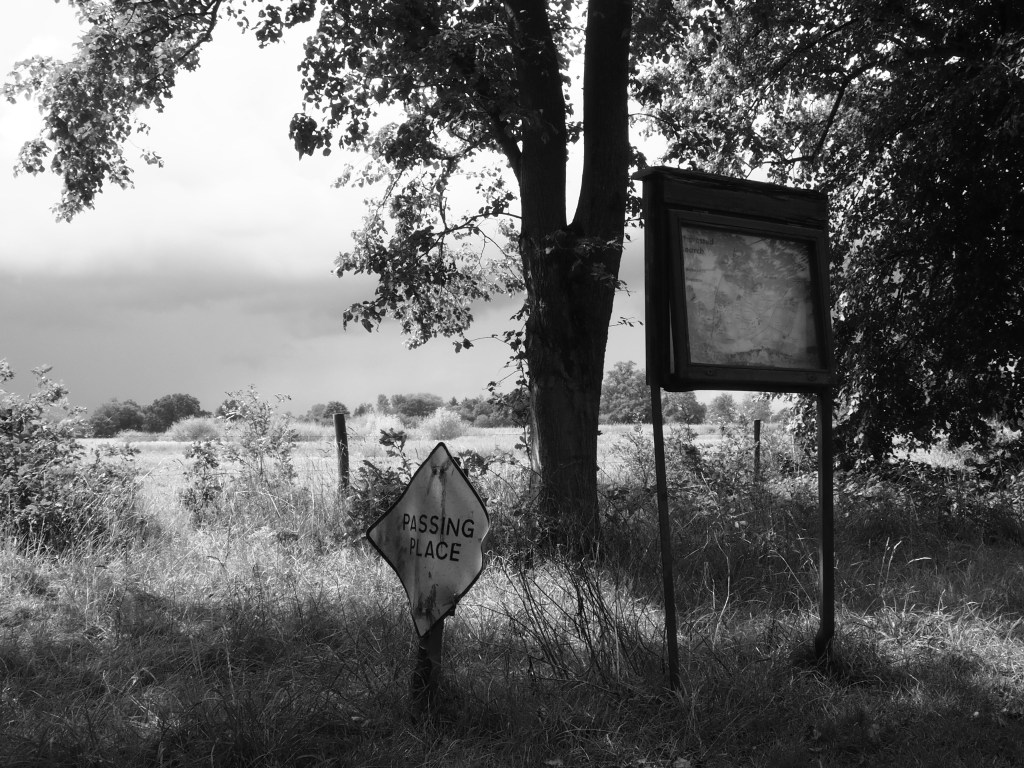
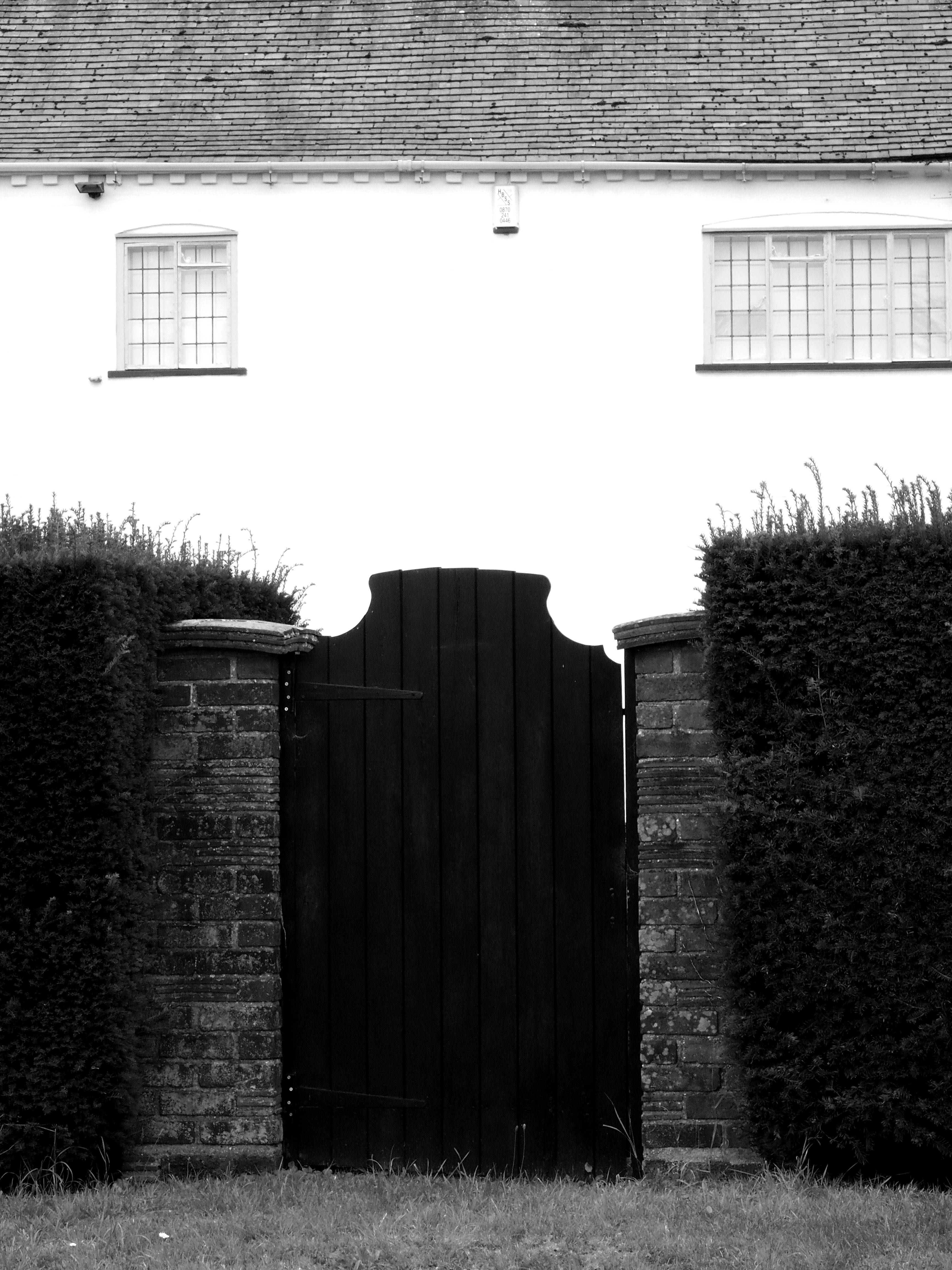
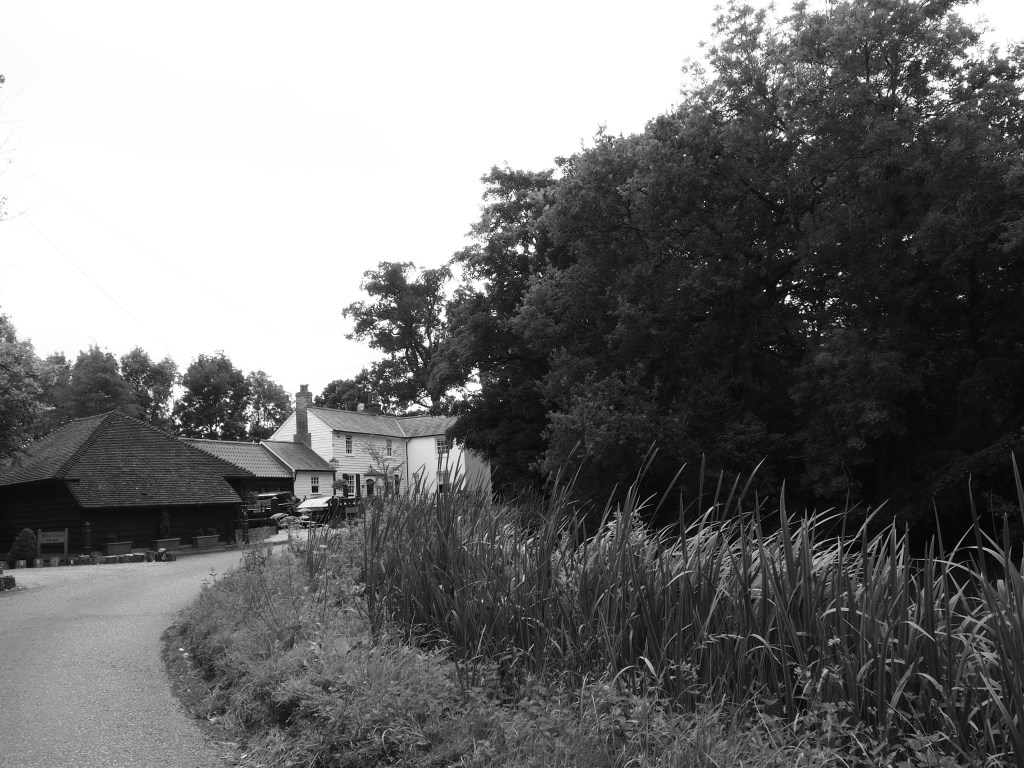
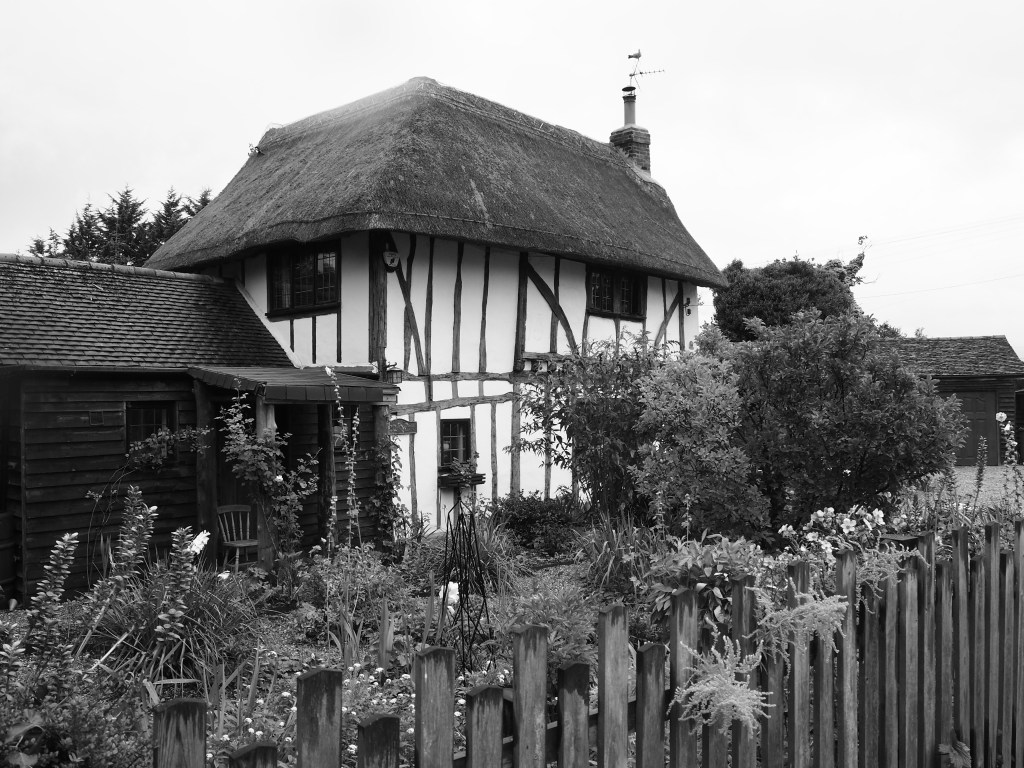
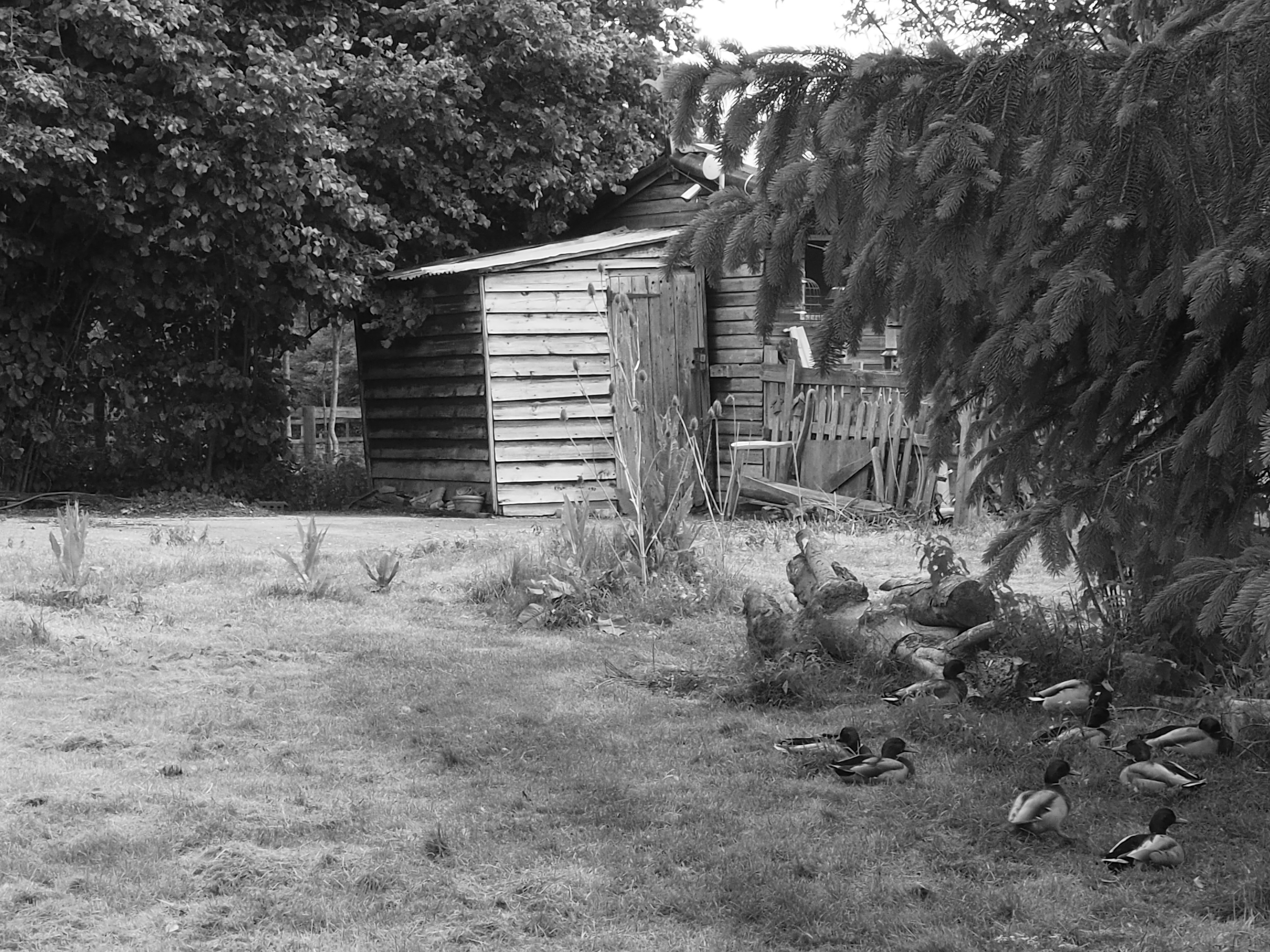
The Thatched Cottage – claiming to date from the 14th century – is the only venerable building in Todds Green, which otherwise comprises a Victorian terrace on the single turning off the new Stevenage Road, a number of pleasant but unremarkable first half of the 20th century houses plus a few newer builds, and a couple of small light industrial estates.

Like Norton Green (see a previous post), Todd’s Green escapes being sucked into Stevenage by the A1M which truncated the original Stevenage Road. Fishers Green just a few hundred yards away (see an earlier post) was not so lucky. The penalty is the proximity of the road.
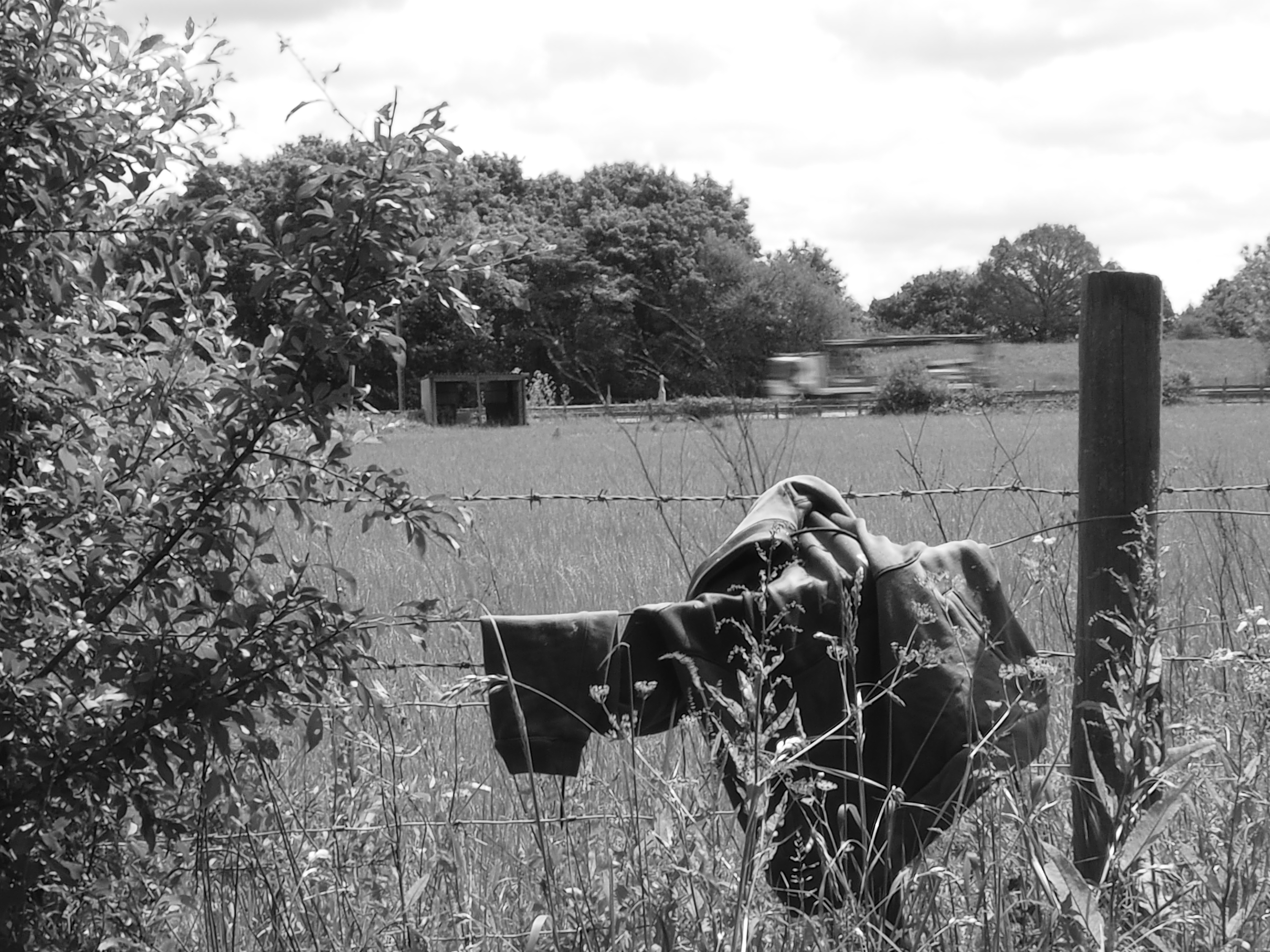
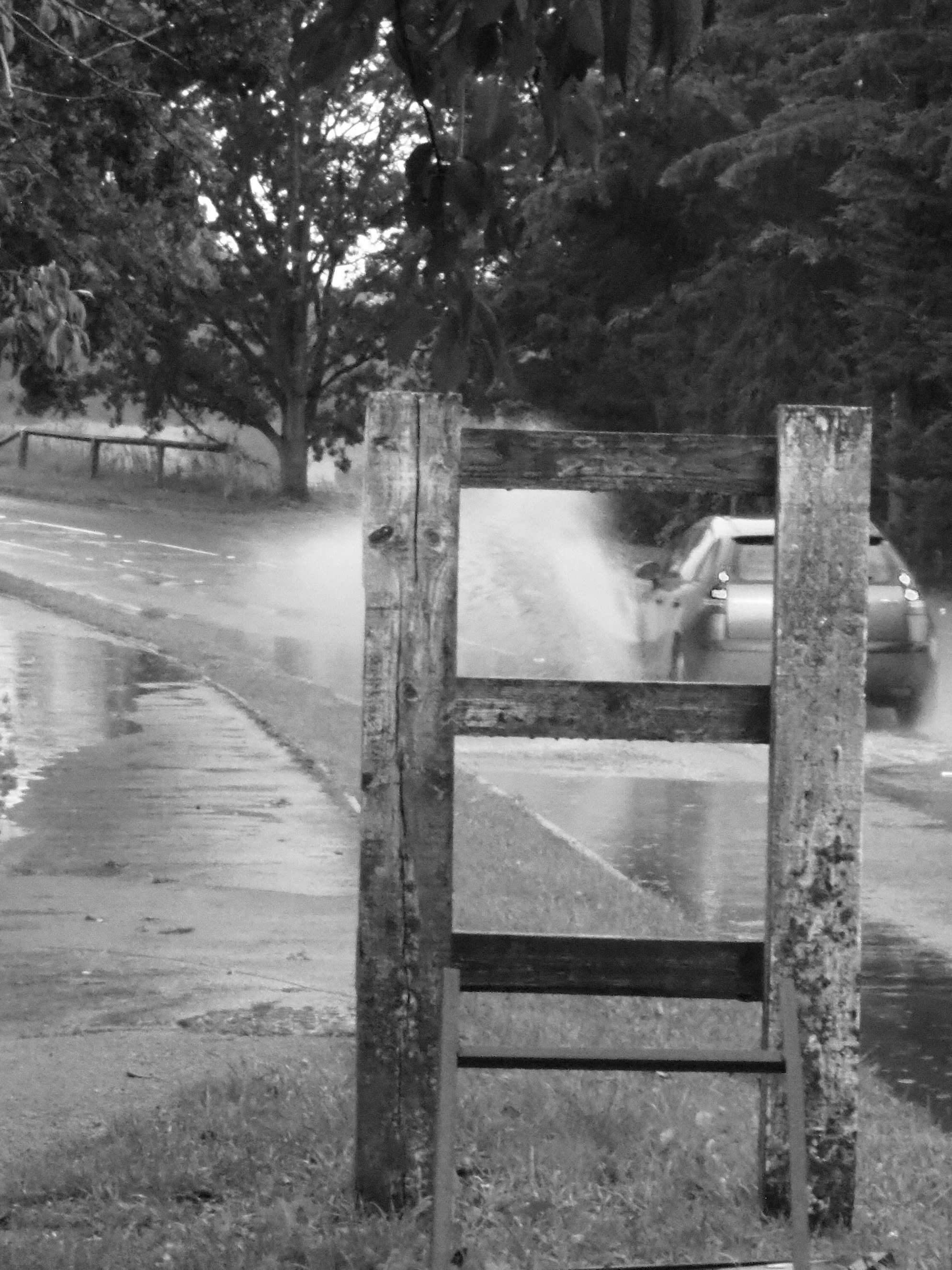
You can walk across the fields to Lower Titmore Green, an outlier of the equally small hamlet of Titmore Green. The latter is the location of the Hermit pub, shown in an earlier post on Redcoats Green because the hermit referred to was linked to the latter location
Welham Green

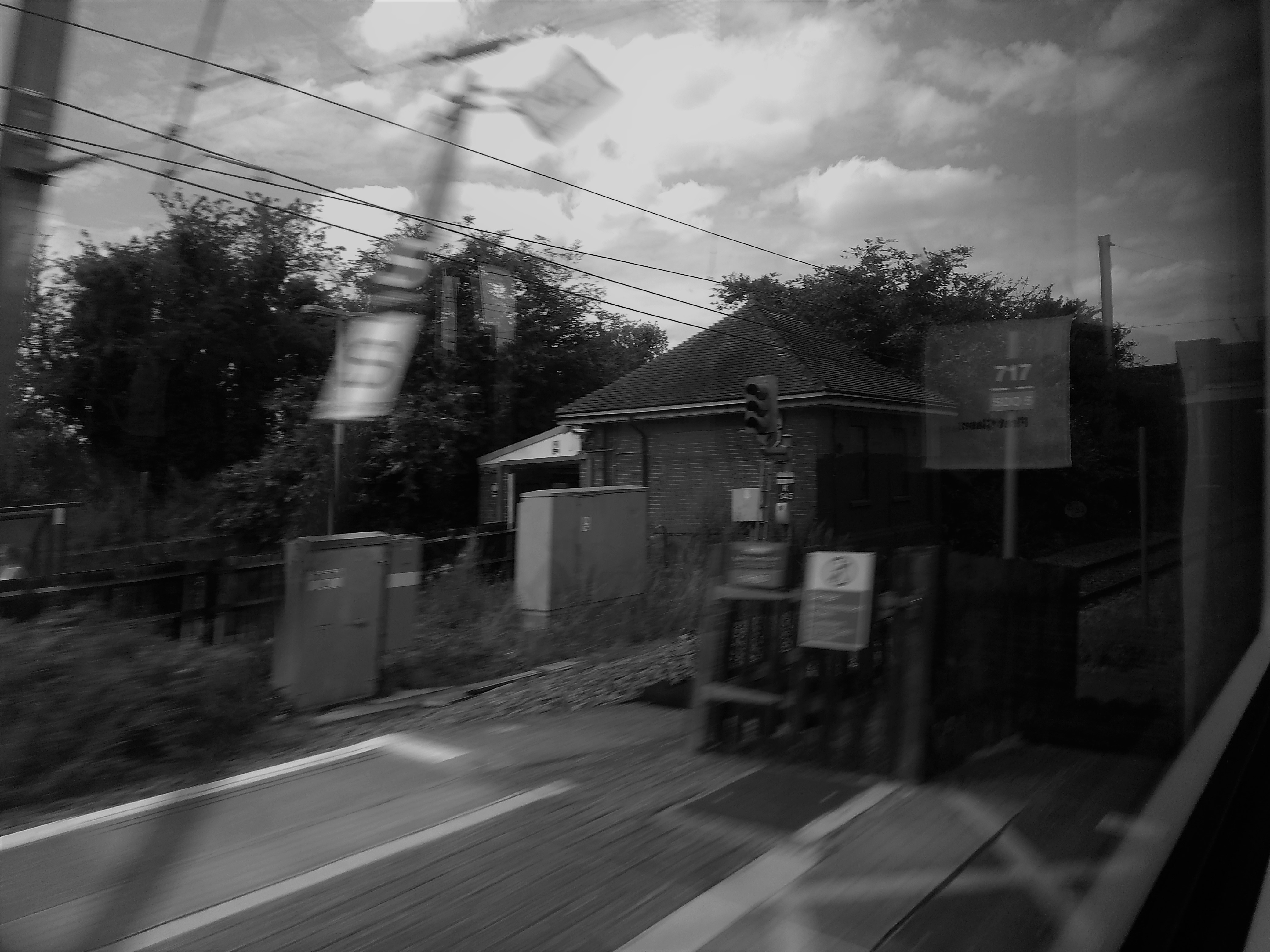
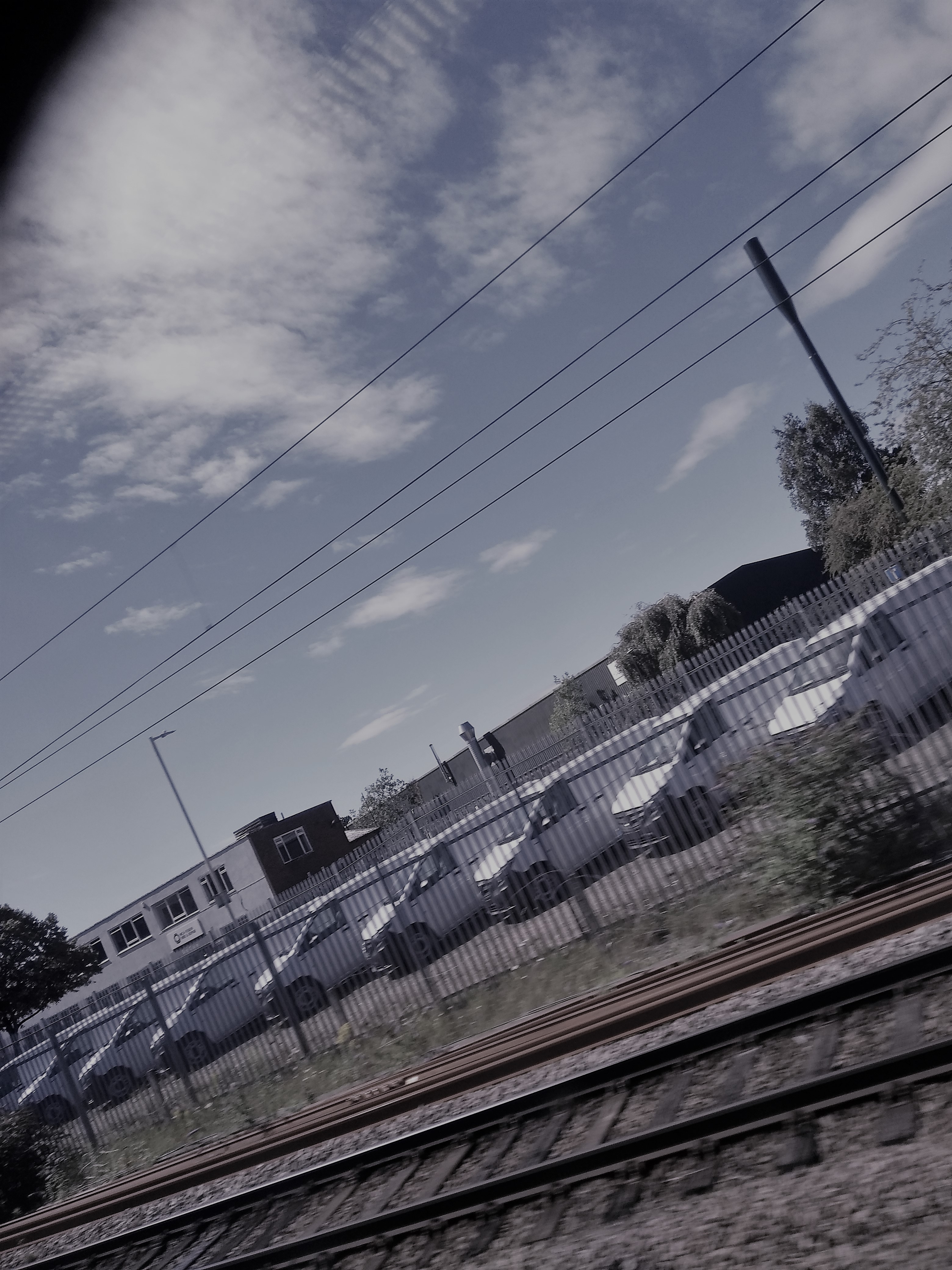
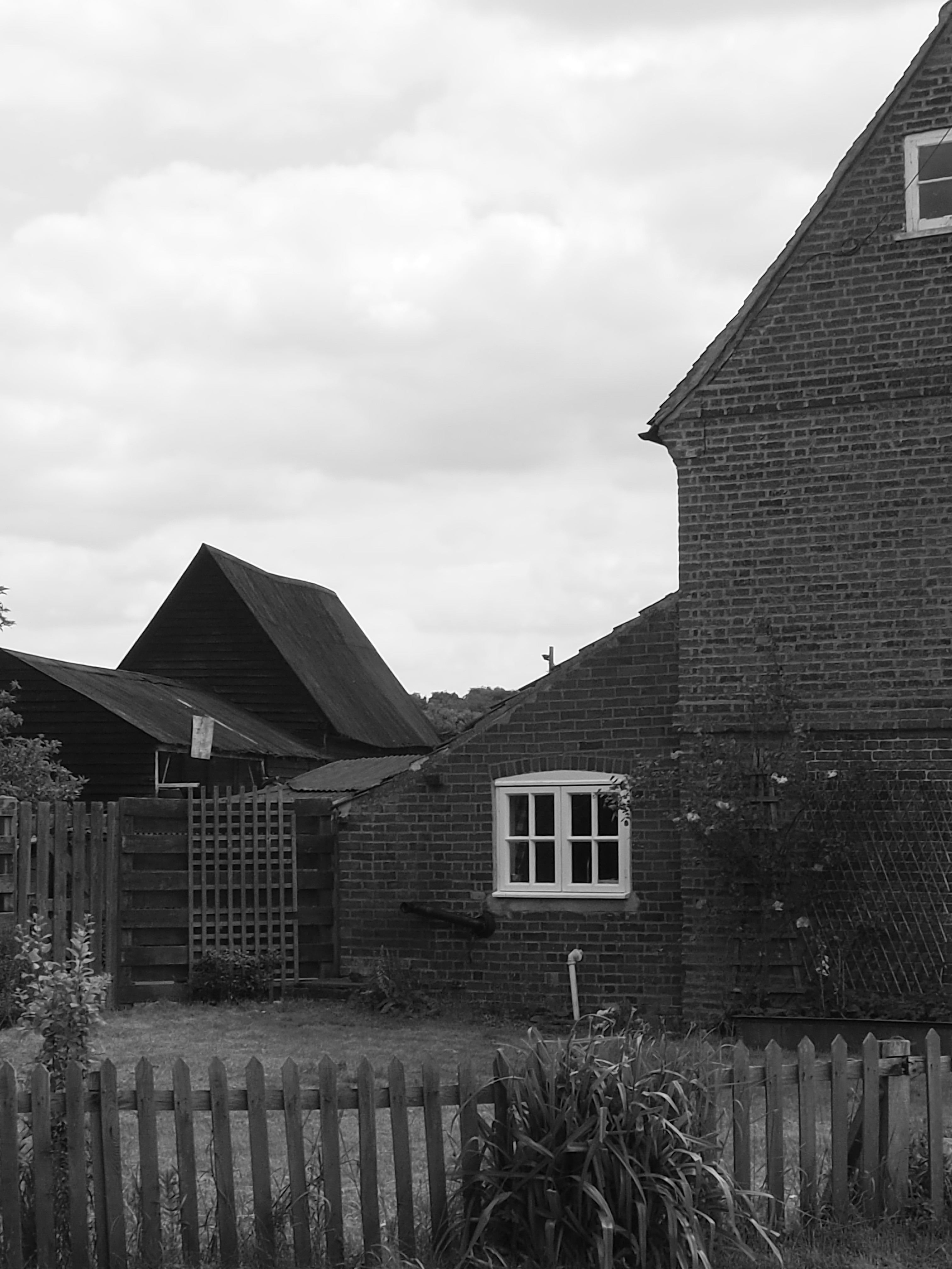
Apologies Welham Green but this what the name meant to me when I was commuting back and forth from London – a blur of vehicle parks and anonymous warehouses crowding a quaint old railway halt.

In fact, Welham Green station is not a Victorian relic. It was only opened in 1986, a recognition that constant expansion during the 20th century had turned a village on the southern edge of the Hatfield Park estate into a sizeable settlement in need of a commuter station of its own. And although it does have string of depots and yards on one fringe and is hemmed in by the A1M a mile to the west and the railway and A roads on other sides, it also has the expansive Bush Wood with an area of heath above. They are worth a walk even if the noise of distant traffic is incessant. The wood is typical of Hertfordshire, hornbeam and oak with a sprinkling of holly.

A circular walk through the wood, up to the triangulation point on the heath and back into the village passes briefly behind the depots and yards.

OLYMPUS DIGITAL CAMERA

From there, we followed a footpath through the housing and came out near Balloon Corner, so called because of the memorial below that tells its own story. Or it tells a version of a story. An alternative telling is that the intrepid aviator was carrying not just a dog and a cat but also a pigeon, which in an enclosed space was asking for trouble. It was just the cat that was deposited at Welham Green into the arms of a girl working in the fields.

OLYMPUS DIGITAL CAMERA

Hatching Green

OLYMPUS DIGITAL CAMERA

Where Kinsbourne Green (previous post) is to the north of Harpenden, Hatching Green is to the south of the old town, to the west of the common and the main Harpenden Road.

The remaining patch of green space is alongside Redbourn Lane, which has a steady flow of traffic. The shape of the grassy patch with some lovely old cottages and a pub makes it seem like Hatching Green is striving to maintain its identity by turning its back on expanded Harpenden.

Despite that defensive air and the nearness of the roads, Hatching Green has easy access to open spaces. A path in one corner leads over some fields to Harpenden Common. Or you can walk a couple of hundred yards down a quiet road to the grounds of the agricultural research centre at Rothamsted (below).

OLYMPUS DIGITAL CAMERA

Kinsbourne Green

OLYMPUS DIGITAL CAMERA

We live in Hitchin, which is in the same parliamentary constituency as Harpenden. But for most people a trip from the one to the other is a rare event. They are old market towns of a similar size so, largely, what you find in the one you find in the other. And communications in Hertfordshire are firmly on a north-south axis so the drive requires routing through Luton or having the time and sense of adventure needed to negotiate the pretty route.

All of which explains why we’d never been to Kinsbourne Green. The large green remains. It’s just to the northwest of Harpenden and is an expanse of common land climbing gently from just off the A1081. Stretches are fringed with oaks. One negative: I’d have liked bigger areas to have been left unmowed for wild flowers and bracken and insects. With so much space it wouldn’t inconvenience anyone. Still, we enjoyed our visit.

There are a couple of farms near the southwest corner of the green and the south side has a few interesting older houses as well as some uninteresting modern mini-mansions.

Ayot Green

OLYMPUS DIGITAL CAMERA

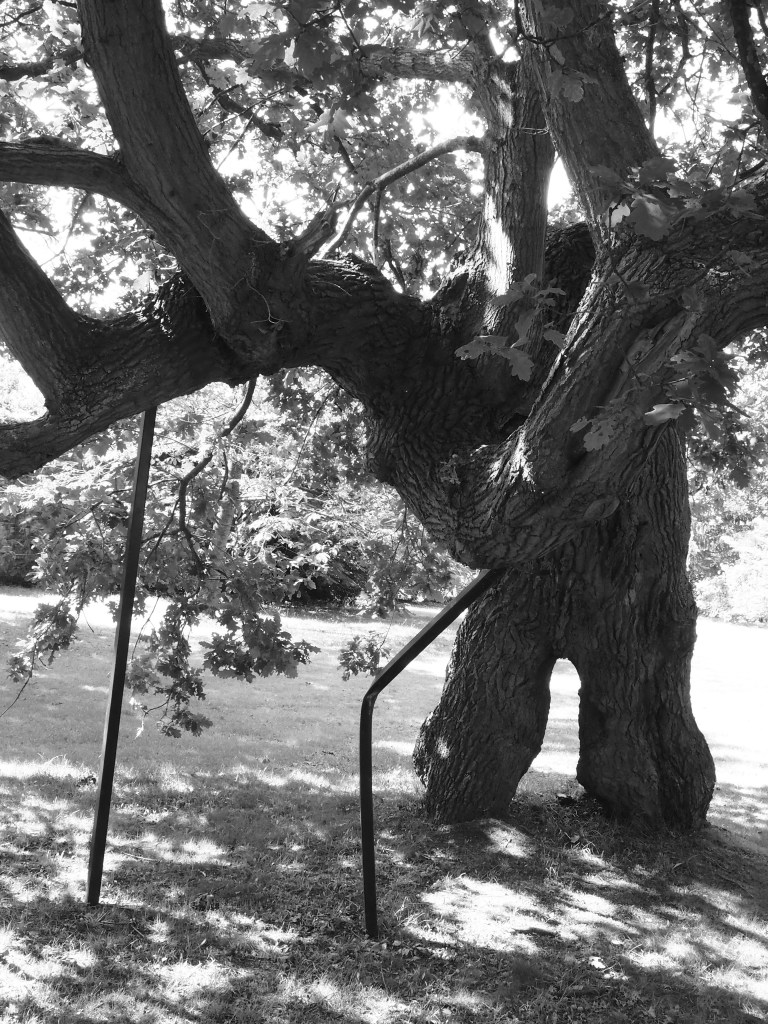
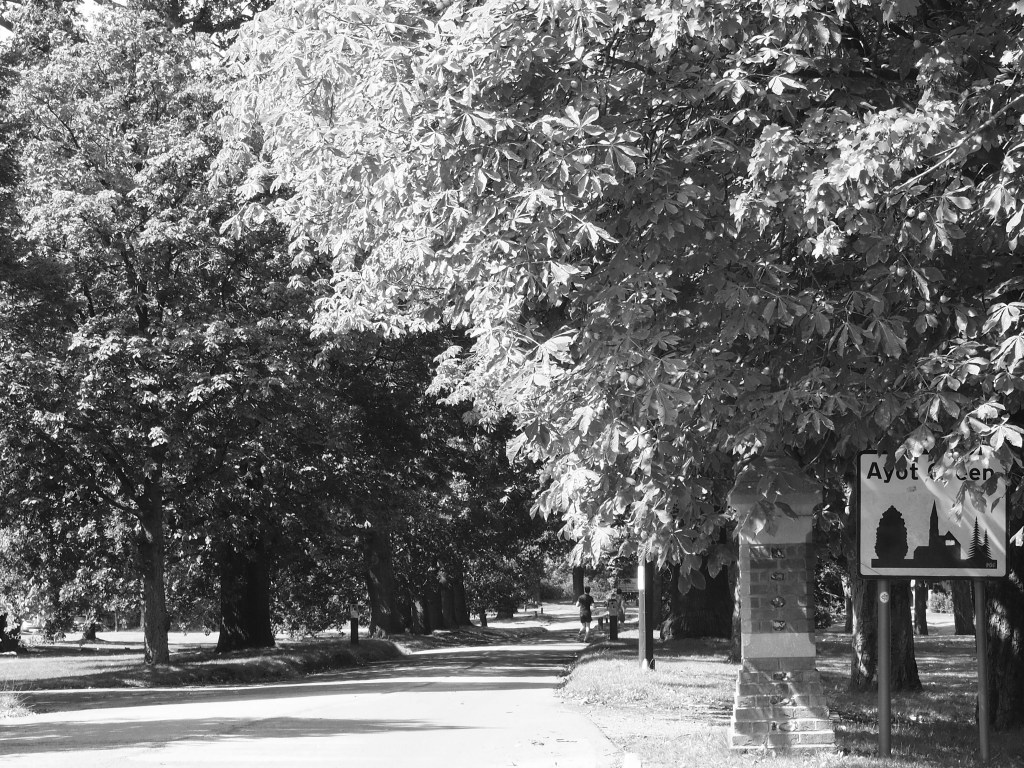
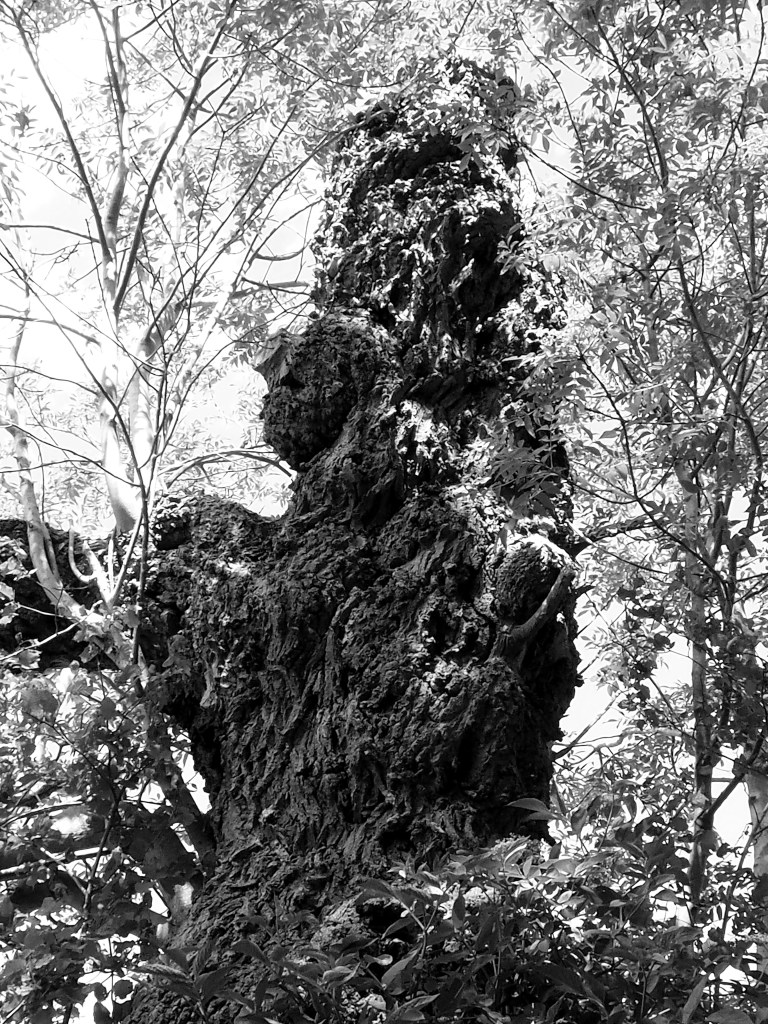
This venerable old gentleman on his walking frame and his fellow oaks and Horse Chestnut cousins line the two lanes passing through Ayot Green, their shadows dappling the tarmac.

The grass is clipped short, the gardens of the handsome brick cottages well tended, contributing to Ayot Green’s attempt at quiet composure. In the depths of lock down when traffic was minimal that composure seemed assured but by August the incessant drone of the A1M in its nearby cutting was back, fraying the edges.

OLYMPUS DIGITAL CAMERA

We wandered from Ayot Green to its smaller sibling Ayot Little Green, which has equally picture postcard cottages and does not suffer the road blight.

OLYMPUS DIGITAL CAMERA

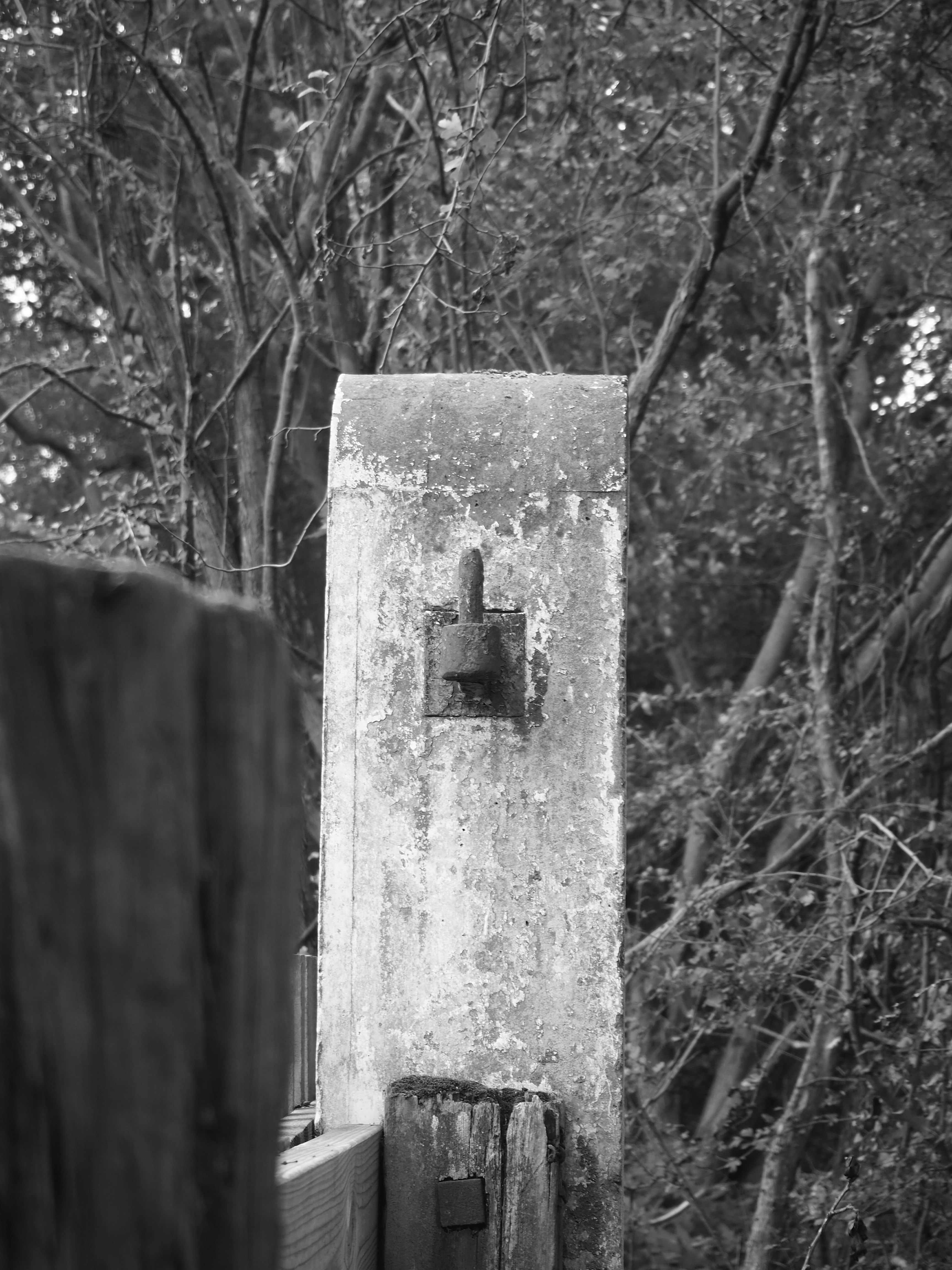
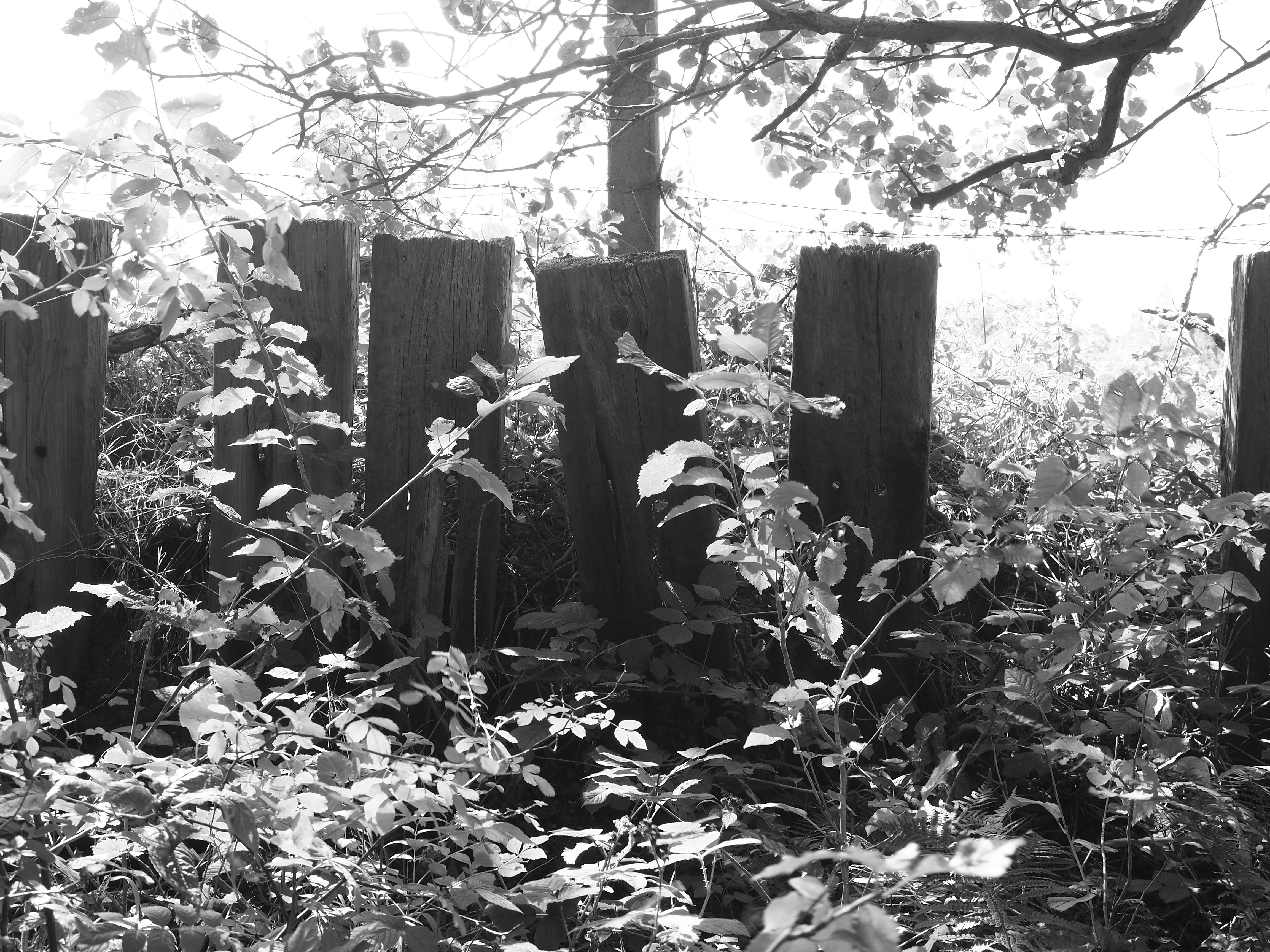
Ayot Green was the site of the station that served the Ayots. The old line from Wheathampstead is now a footpath and cycle way cut short by the main road. A station house remains and we found the gateposts of a level crossing and sleepers used for fencing, among other things, as we ambled along.

Offley Green

OLYMPUS DIGITAL CAMERA

Offley Green stretches away, flat wheat acreage reaching to Roe Green in one direction and in another to a distant wood and these houses of Friars Grange, with a moat behind. A handsome and sizeable cottage stands at another edge. A network of footpaths hatch the land, leading off to places with names like Julians, Birds Nest Farm, and The Tryst.

Crouch Green

OLYMPUS DIGITAL CAMERA

We’d walked or run around Crouch Green on many occasions without knowing it was a former green, let alone that it had a name. It nestles in the arms of two lanes, one of them being Three Houses Lane that comes up from Langley Bottom before dipping down to the Mimram valley and Whitwell. The other runs along the western top of Langley Bottom, through Rusling End to the various Easthall farms. Woodland still reaches towards three edges. There’s an unbroken chain of woods from Holl Lays Wood on the northern fringe of Crouch Green through those around the Knebworth estate to Watery Grove near Norton Green, some two and a half miles. They hide deer and a couple of tumuli but, for the most part, are now commercial not ancient woodland.

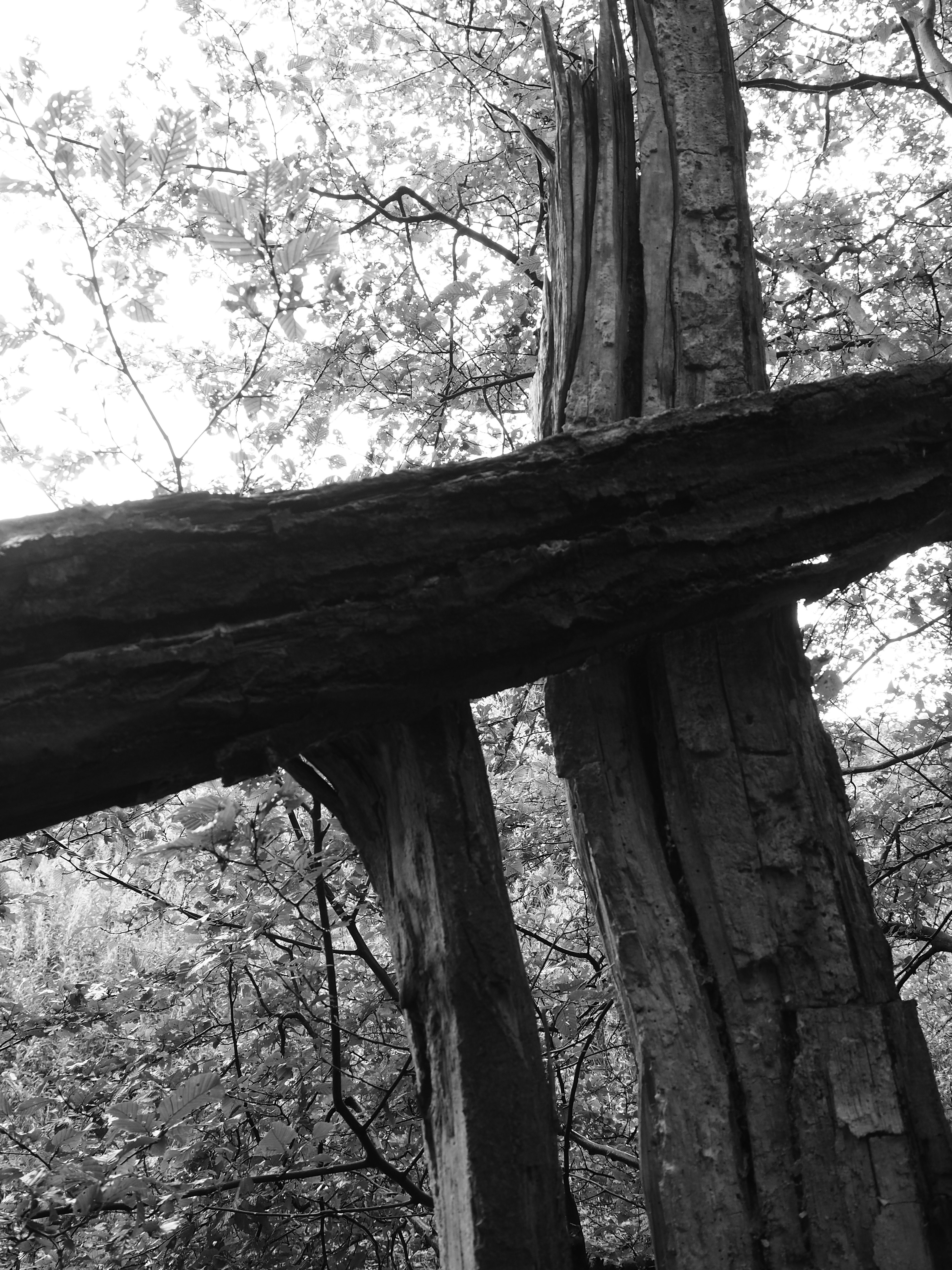
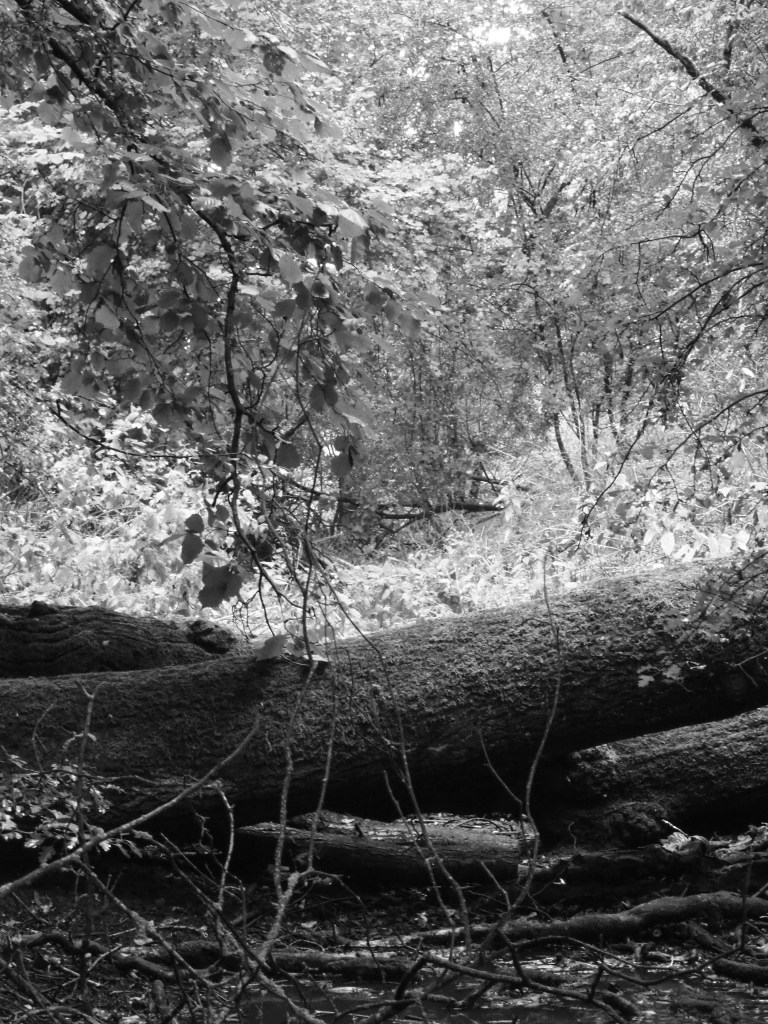
There’s one house quite close by that may be the only place with a Crouch Green postal address. You are quite high up here, so wander about and there are some views to be had. Otherwise, we found the ruin of the magnificent oak in the photograph.

Reed Green, Gannock Green

OLYMPUS DIGITAL CAMERA

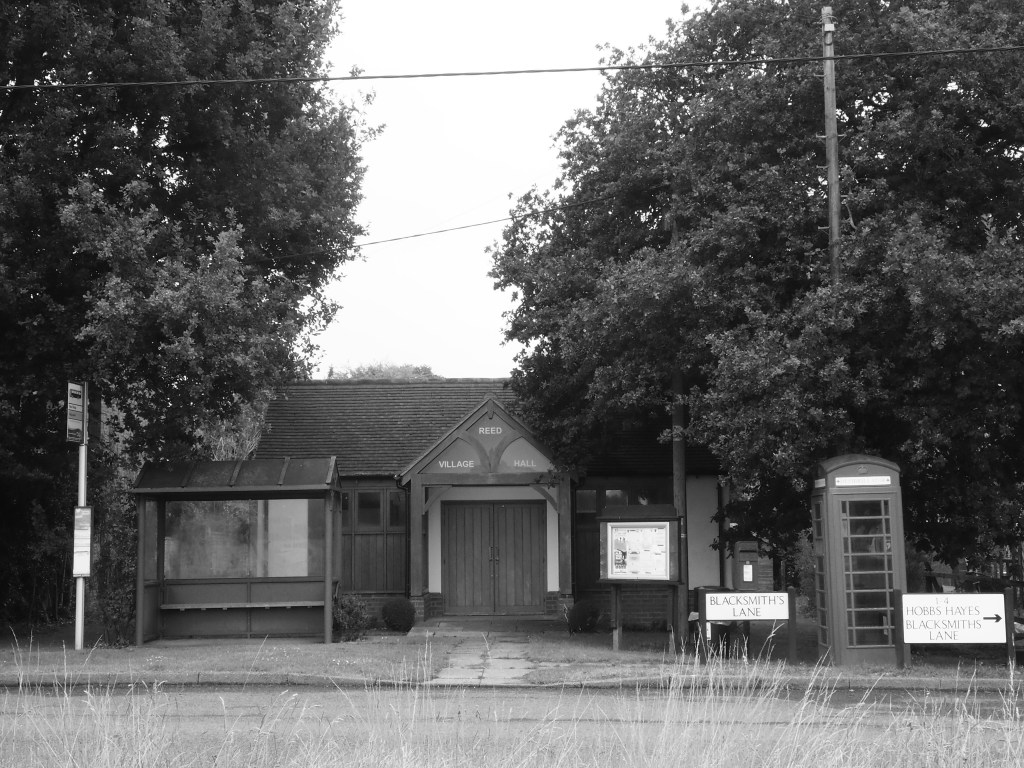
Encapsulation of the idyll of rural England: bus stop, phone box, letter box, parish notice board, standing in front of the village hall, the photograph taken from the boundary of the cricket field. All it needs is a pub in the background. Sadly, the local is under threat.

The cricket field stands on Reed Green. The green is now the village green of Reed. I said at the start that I wasn’t going to do village greens to the extent that the village preceded the green. Rather I would concentrate on greens that on many occasions (but by no means all) gave rise to a hamlet or village. I don’t think I’m breaking my own guidelines here because Reed Green is listed by British History Online as an entity in its own right. Even today, Reed is more an area than a nucleated village. The school is almost half a mile from the church and manor house, the lane between only dotted with houses, and Reed End is a mile to the northwest of the church. That’s the other side of the A10, probably more of a barrier now than when its was Ermine Street.

Grassroots cricket had recently resumed when we walked past, and the covers were being checked after a night’s rain.

OLYMPUS DIGITAL CAMERA

The Reed area has several ancient moated enclosures. One of these is at Gannock Green to the east and a little south of the church where the ditch is still well defined within a small wood. A footpath still leads there but no further, presumably once a track to a disappeared farmstead. Gannock Green is now cultivated land and a breeding enclosure for pheasants – autumn’s sacrifice to shooters who revel in bagging a near flightless target beaten towards their barrels.

OLYMPUS DIGITAL CAMERA

There was a Fiddlers Green somewhere near Reed too but we could find no trace of it.

Burnham Green

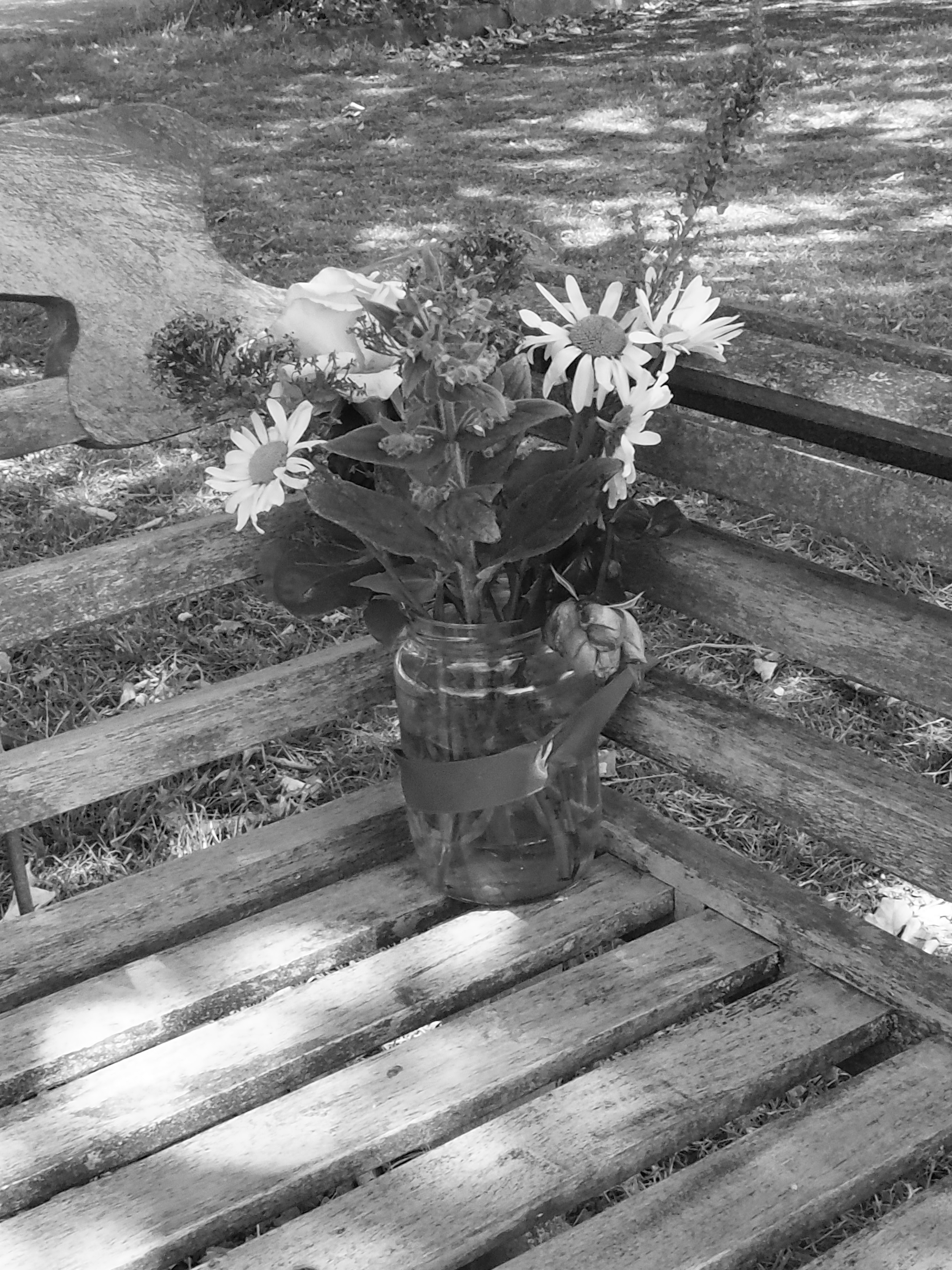
Burnham Green has a more lived-in feel than its near neighbour Harmer Green. It’s got a larger population, and a post office shop and a pub. It’s not a preserve of the well-to-do either though it’s only a stone’s throw from the millionaires’ reserve at Tewin Wood. The larger area of green is bordered on one side by an (I’m guessing) early 20th century housing development. The other side is fringed by a handful of cottages and countryside. Flowers on a park bench were another of the tokens of hope or supplication that we often found on our walks during this corona virus summer.

We passed through as lock down was easing and people were beginning to meet up again – at a safe distance – on the smaller area of green, near a charming village hall, built as a school in the 1840s and used as a mission church for some years after.