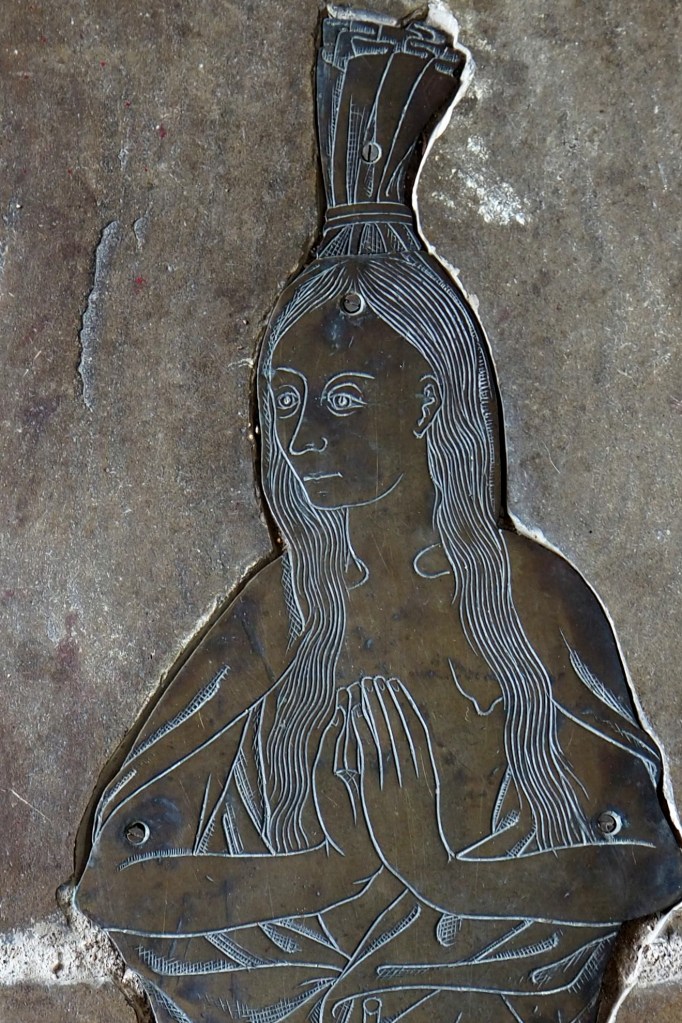
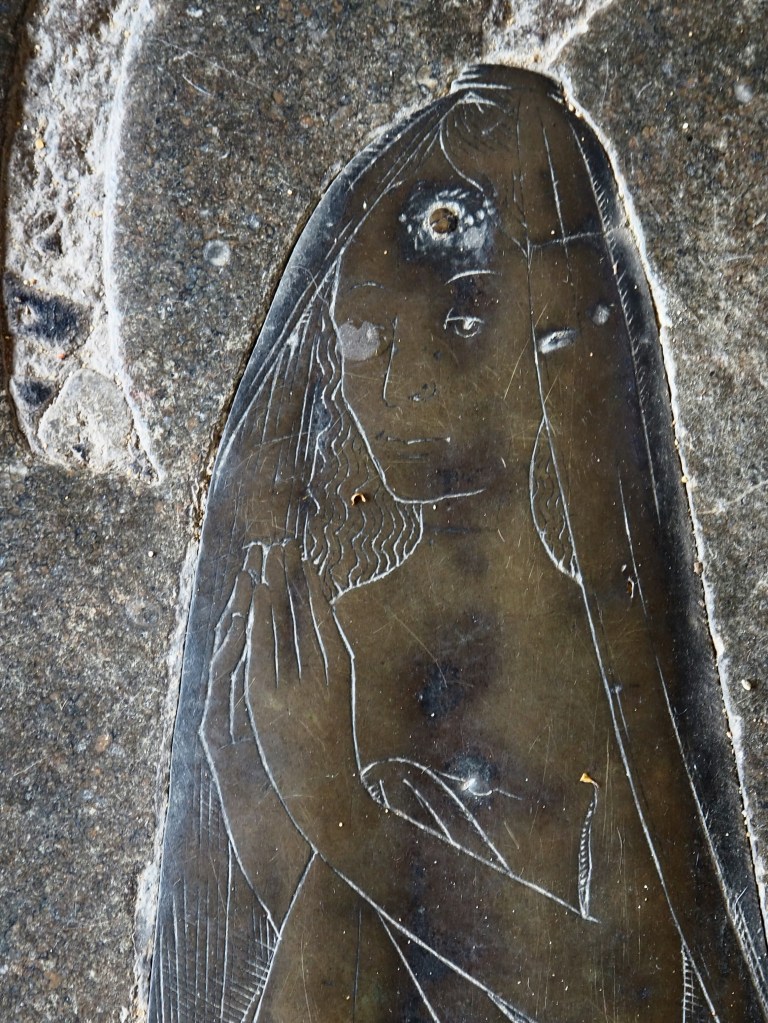
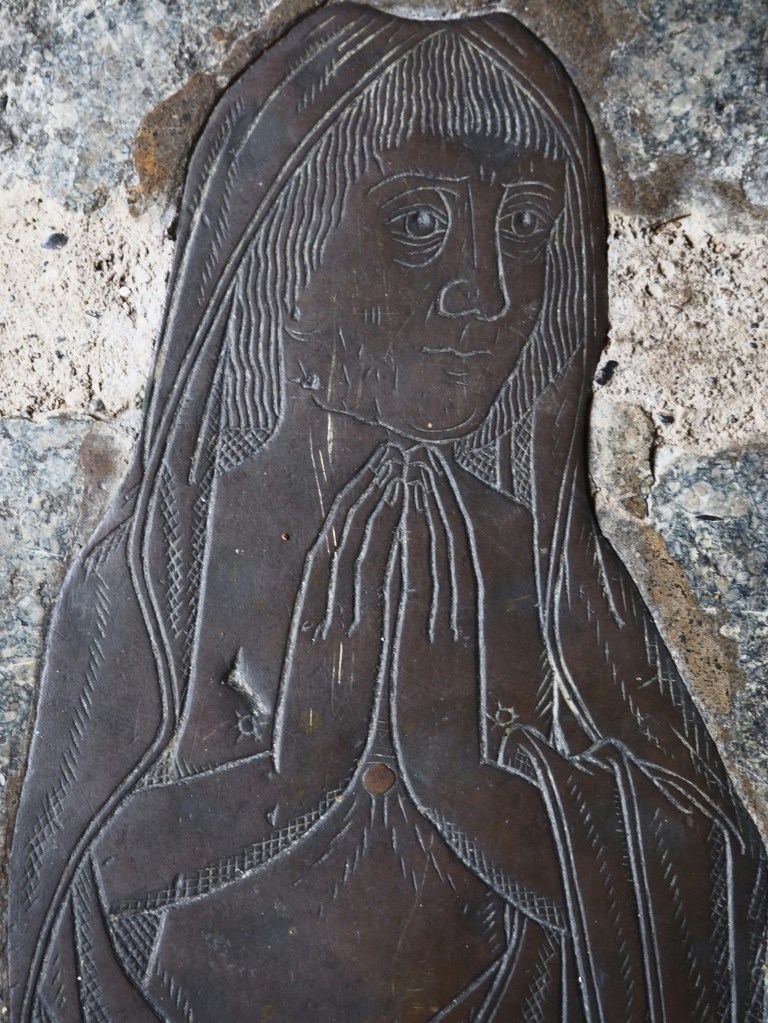
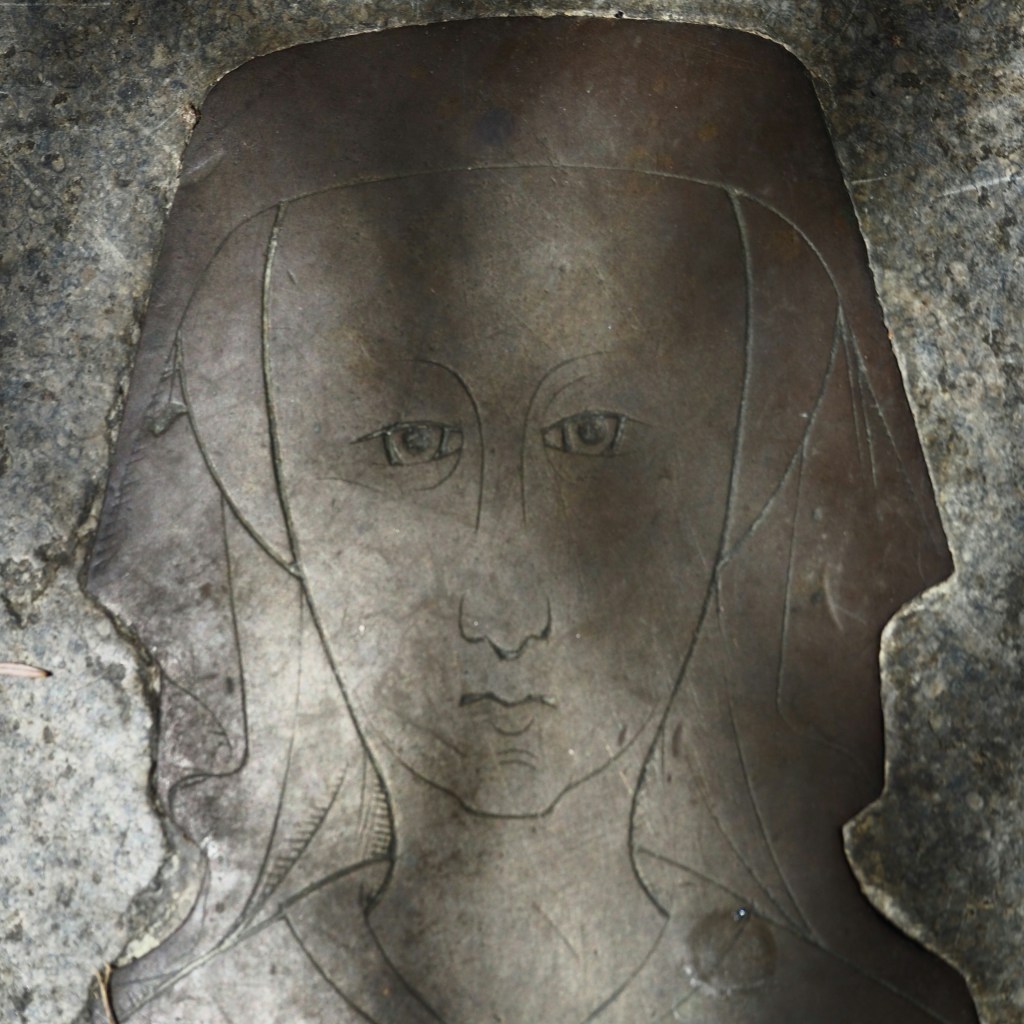
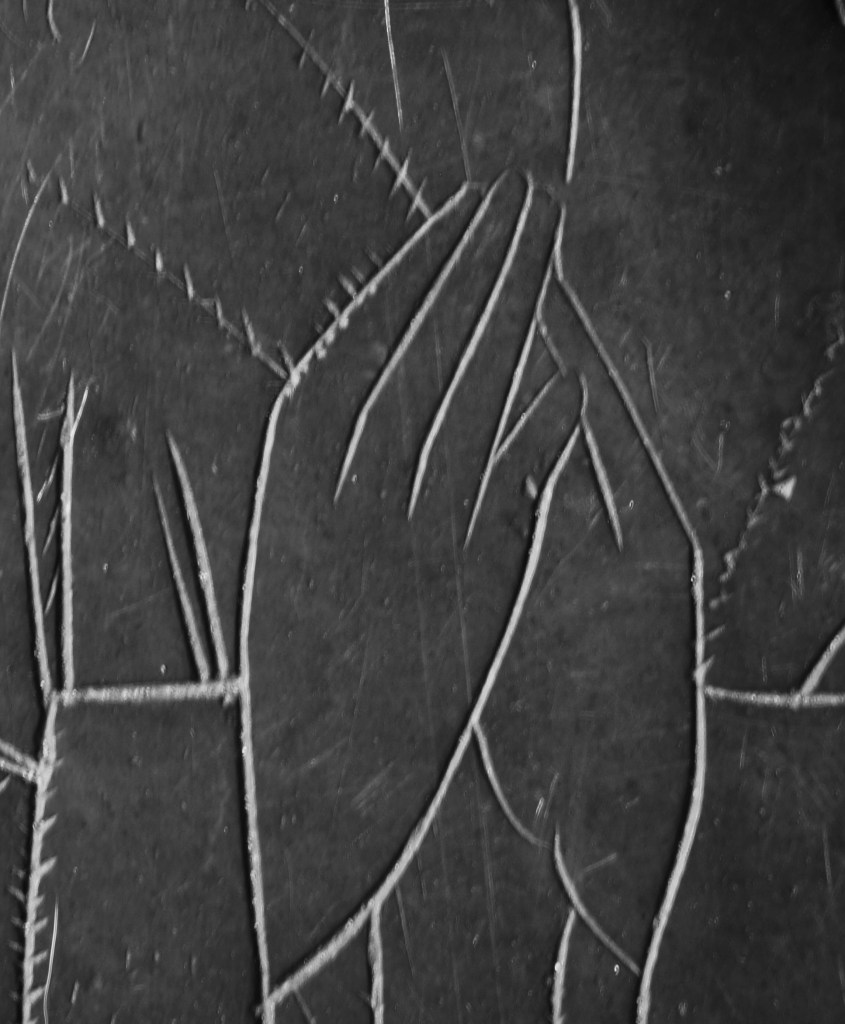
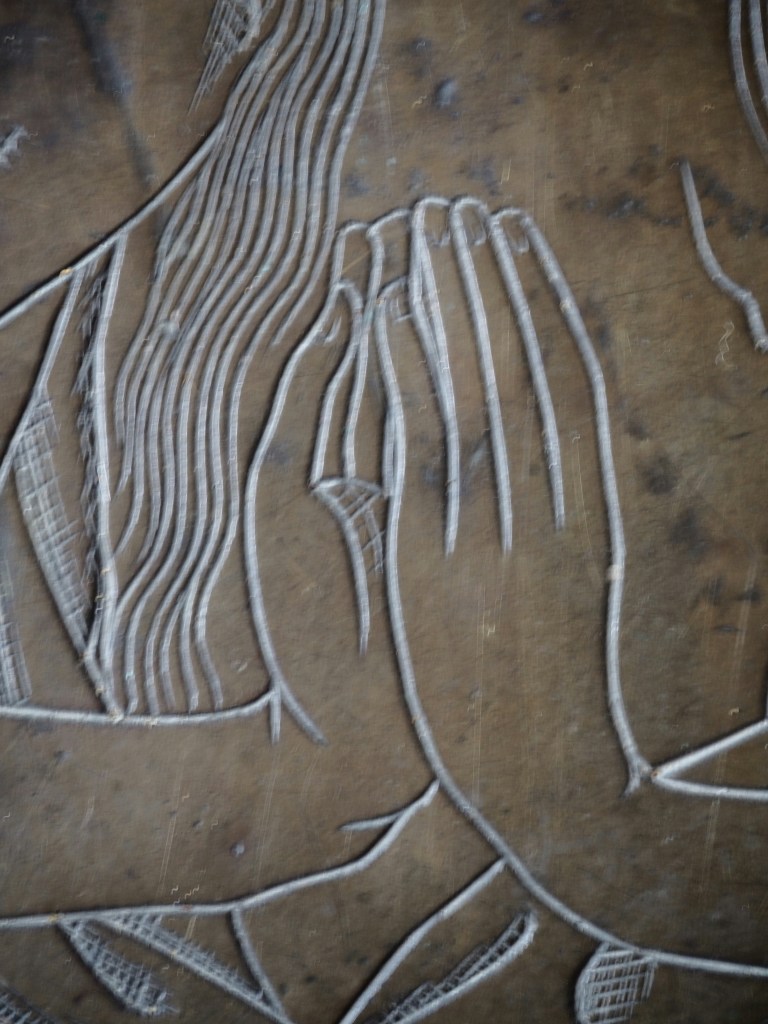
Back to the local. St. Mary’s in Hitchin is a magnificent Wool Church but its interior, at first glance, is less impressive than its exterior. Hitchin was firmly Puritan during the civil war so much of the decoration was destroyed while the carved figures on the tombs have eroded due to the softness of the stone used. Fine rood screens remain but what captured my eye was elegant, ageless simplicity of some of the brasses in the floor of a side chapel.
So few incisions yet so much expression in the faces and hands; the implied luciousness of the hair. Devotional but decidedly sensual.
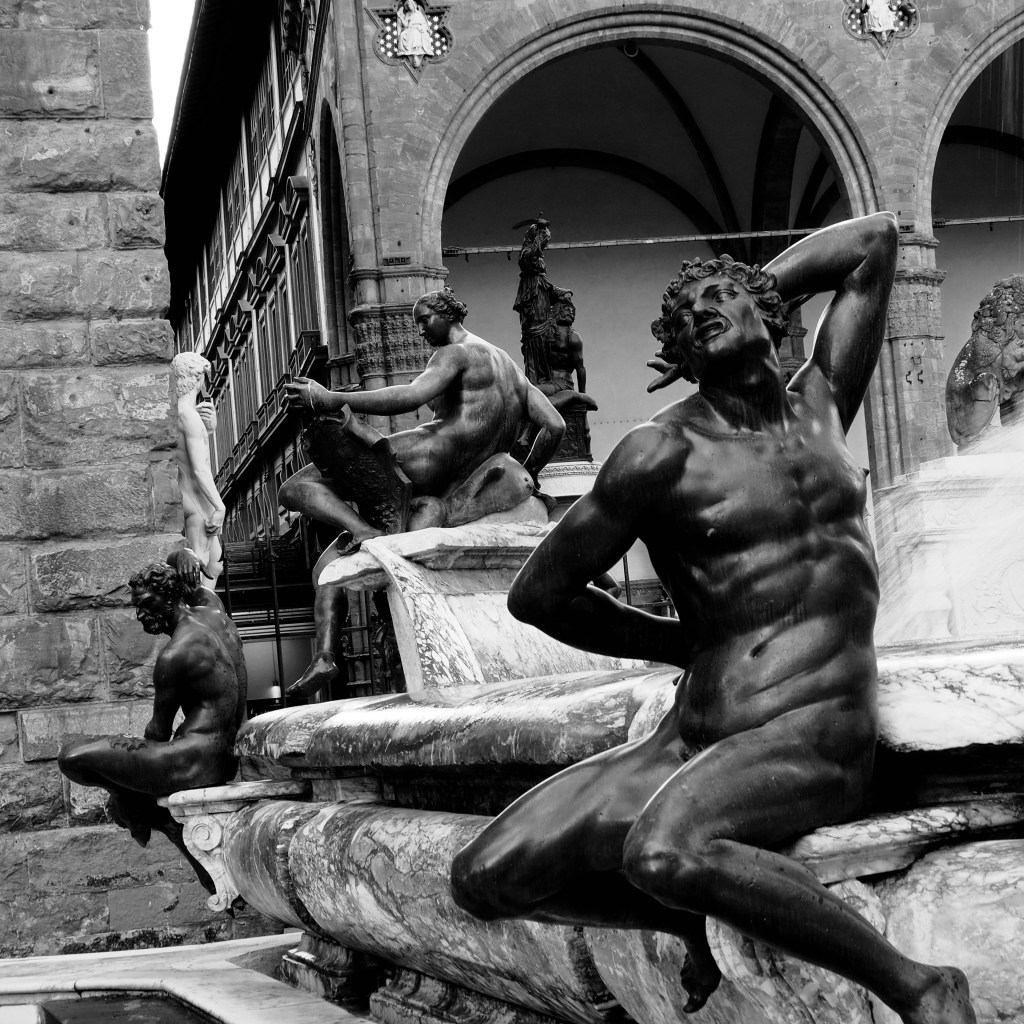
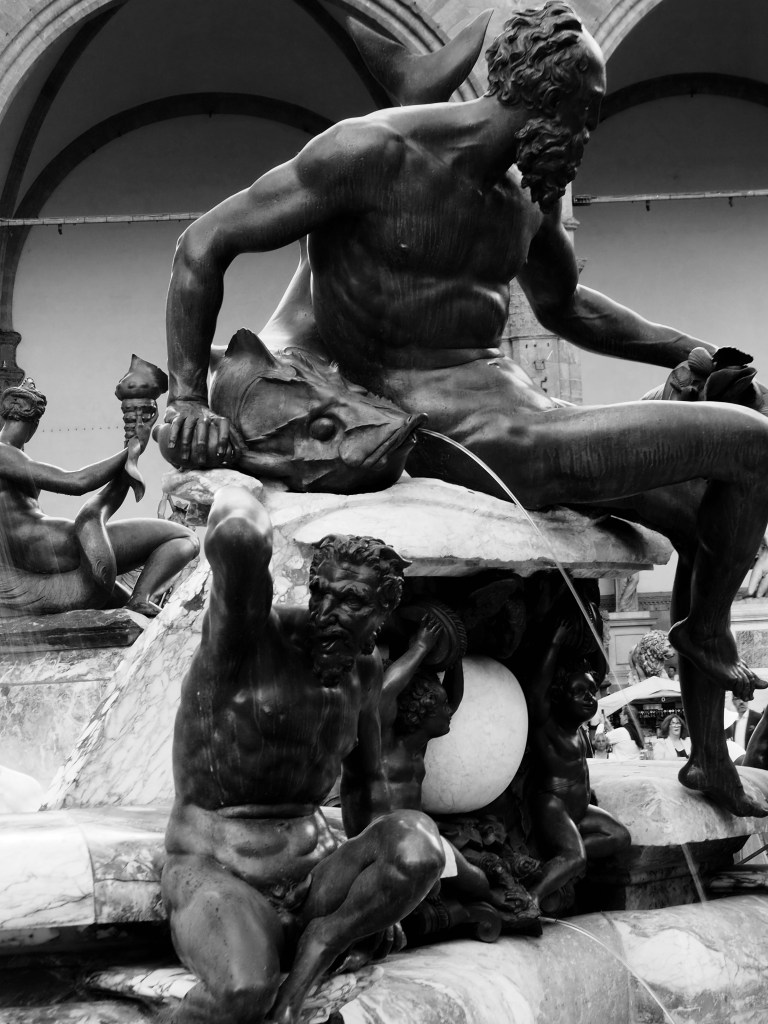
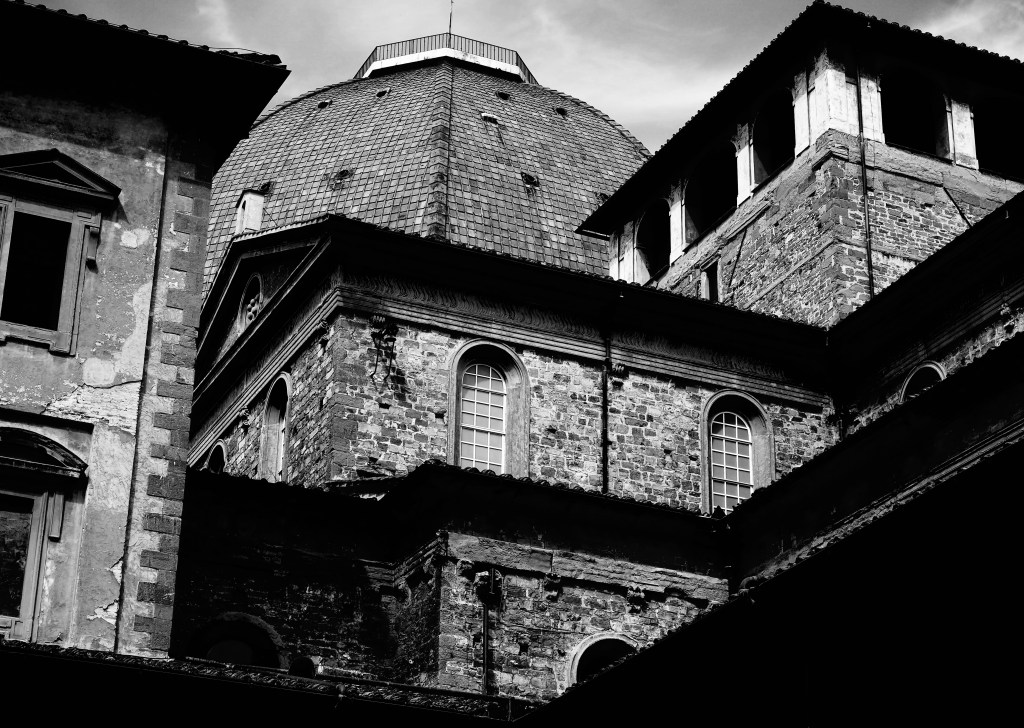
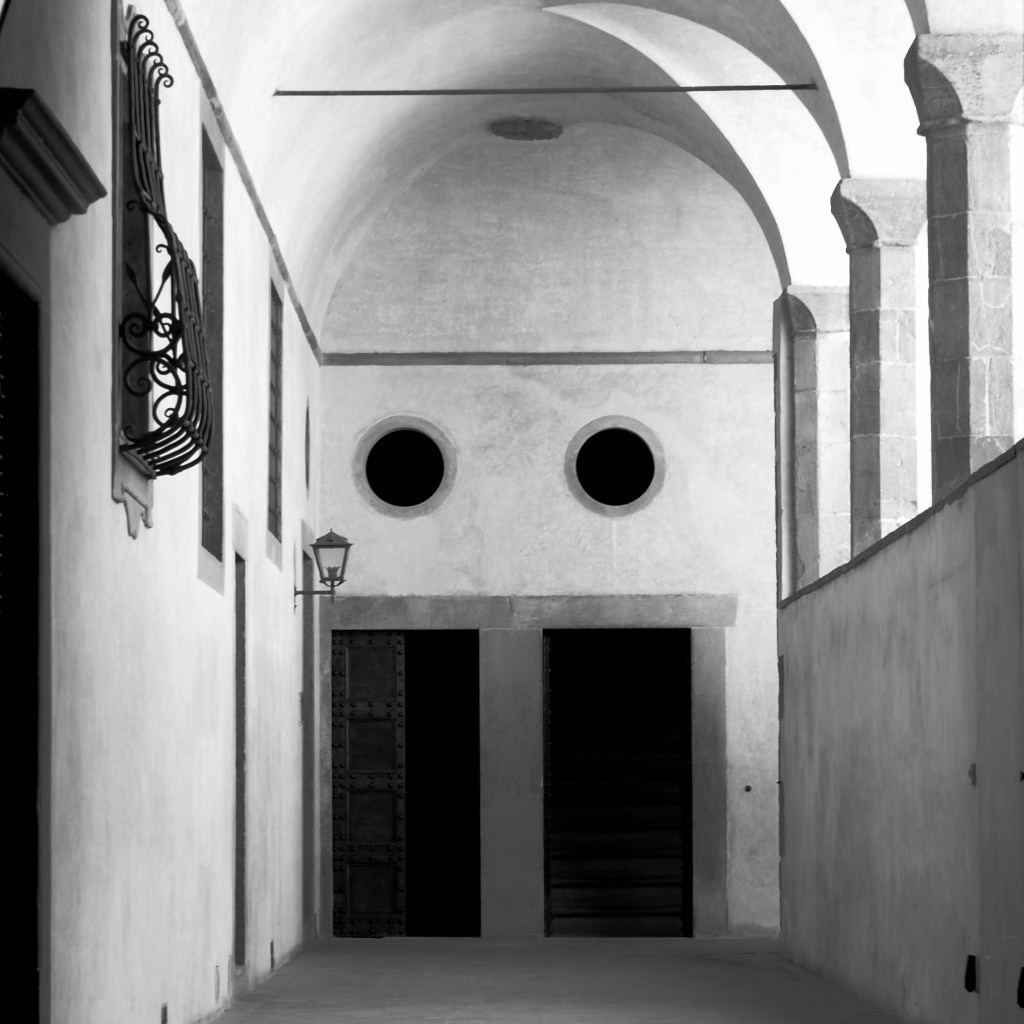
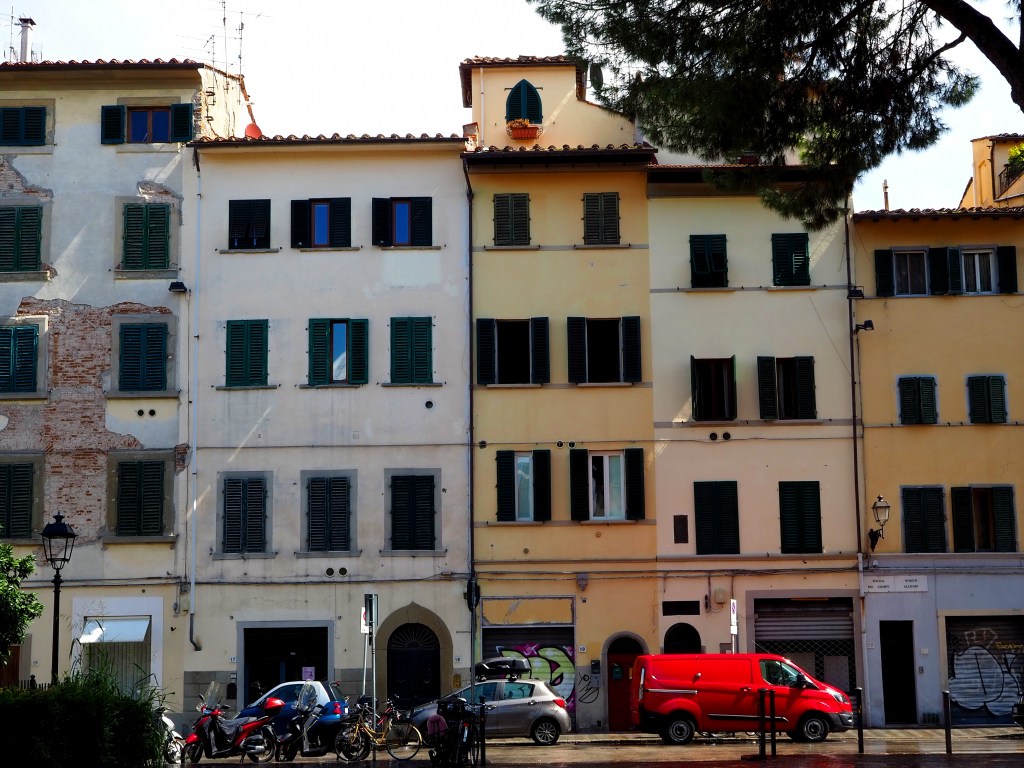
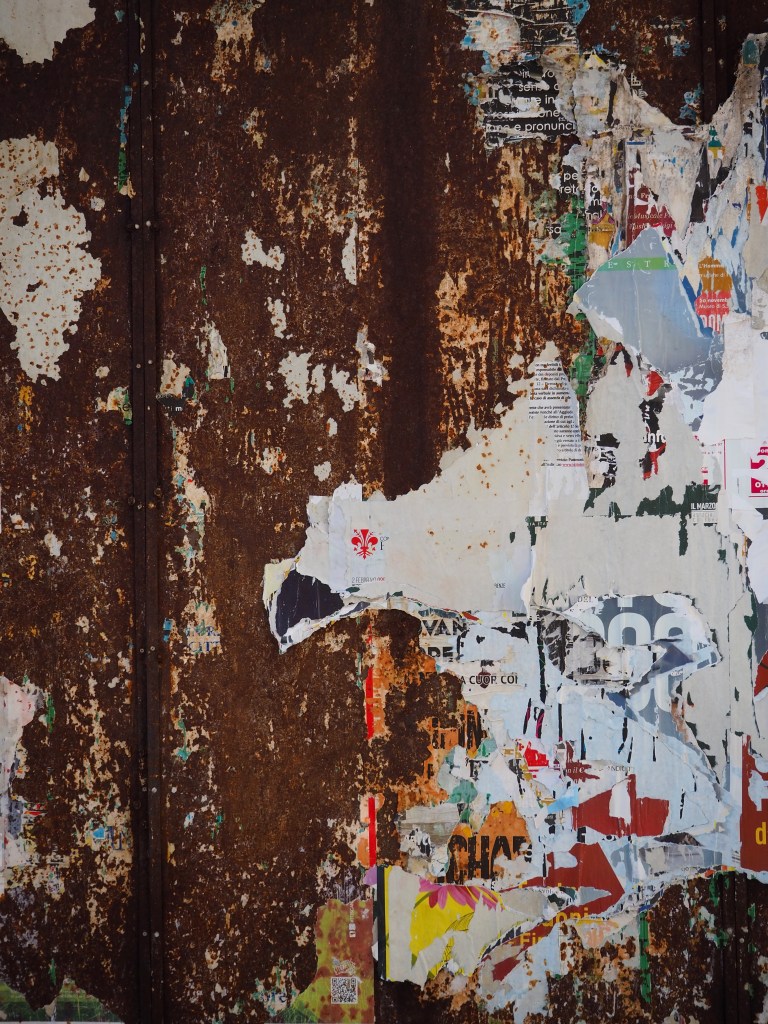
Little point in emulating the millions of tourist shots of Florence, so here are a few different angles on an entrancing city.
OLYMPUS DIGITAL CAMERAOLYMPUS DIGITAL CAMERAOLYMPUS DIGITAL CAMERAOLYMPUS DIGITAL CAMERAOLYMPUS DIGITAL CAMERAOLYMPUS DIGITAL CAMERAOLYMPUS DIGITAL CAMERAOLYMPUS DIGITAL CAMERAOLYMPUS DIGITAL CAMERAOLYMPUS DIGITAL CAMERAOLYMPUS DIGITAL CAMERAOLYMPUS DIGITAL CAMERAOLYMPUS DIGITAL CAMERAOLYMPUS DIGITAL CAMERA
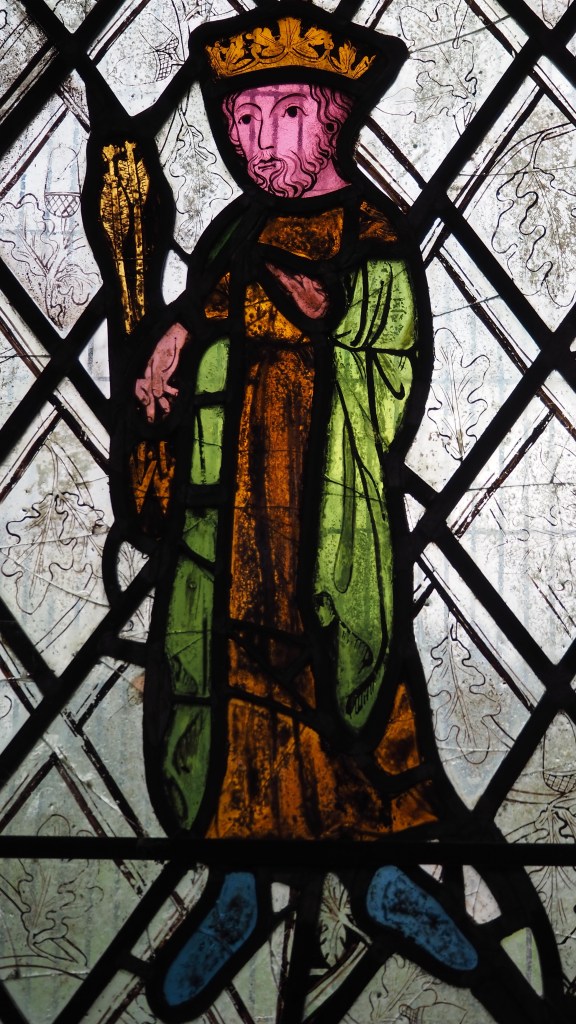
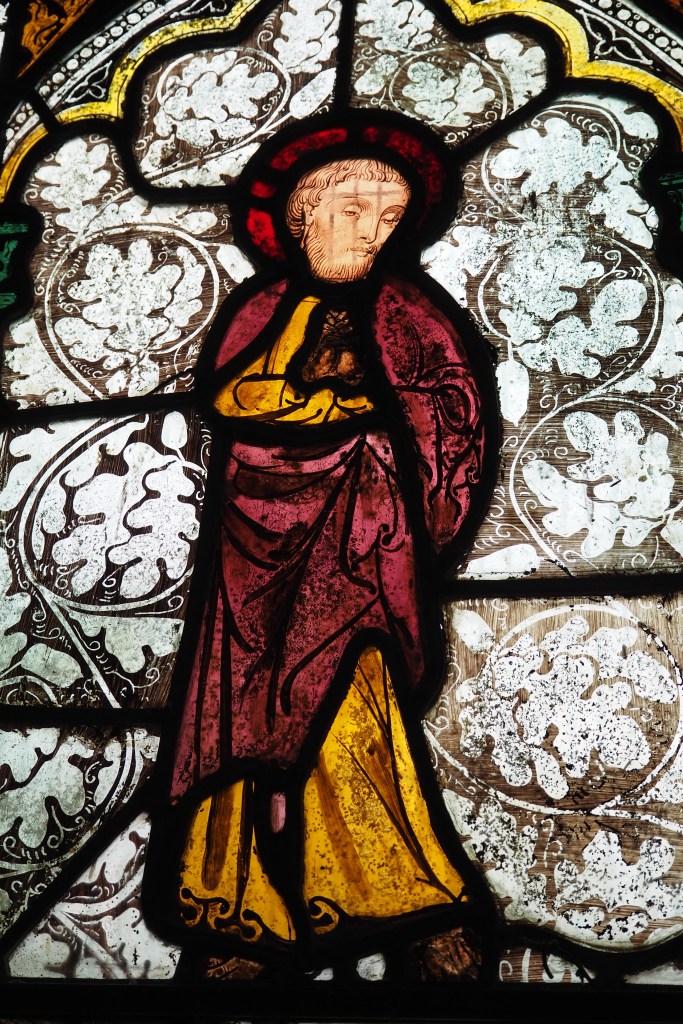
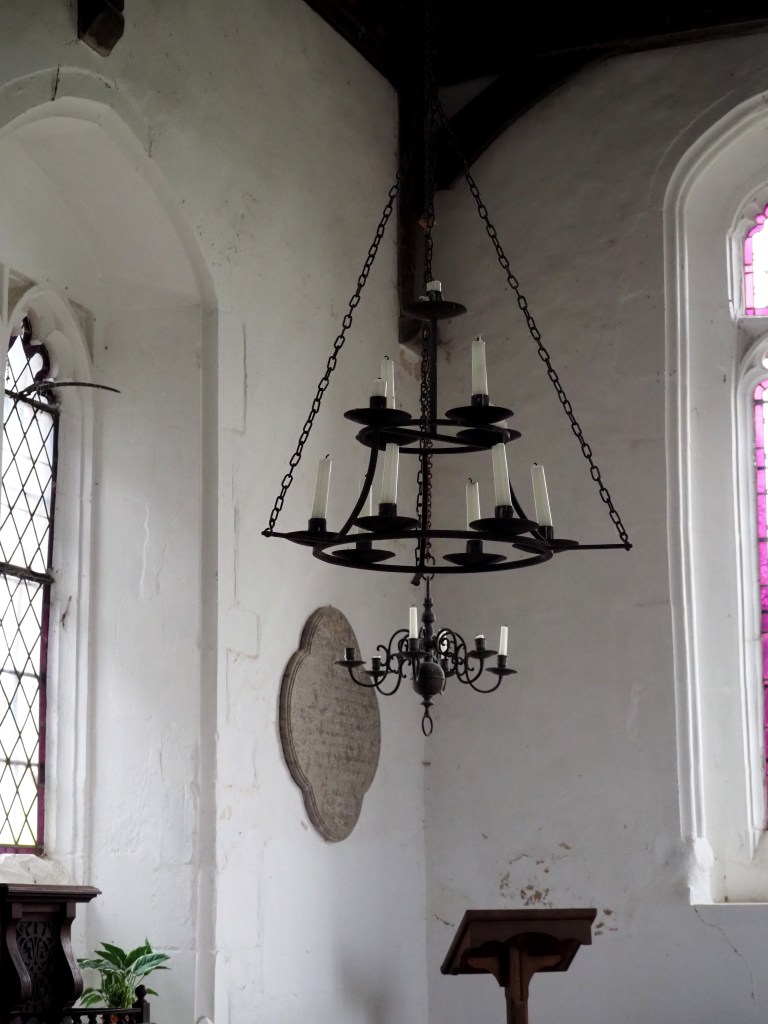
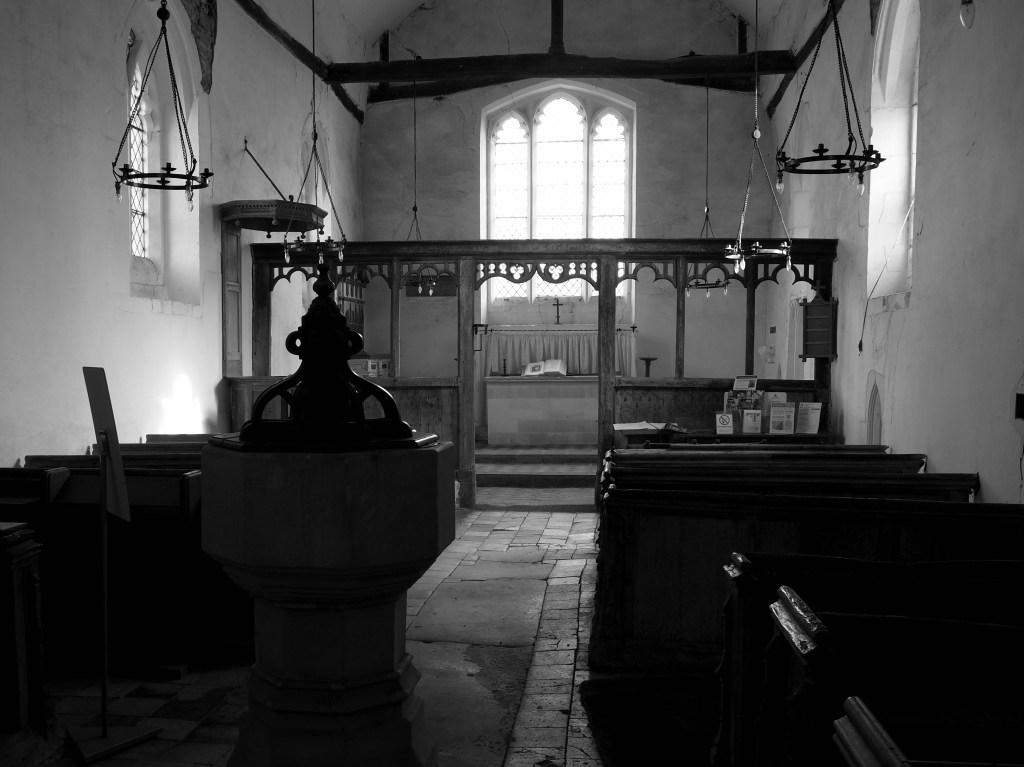
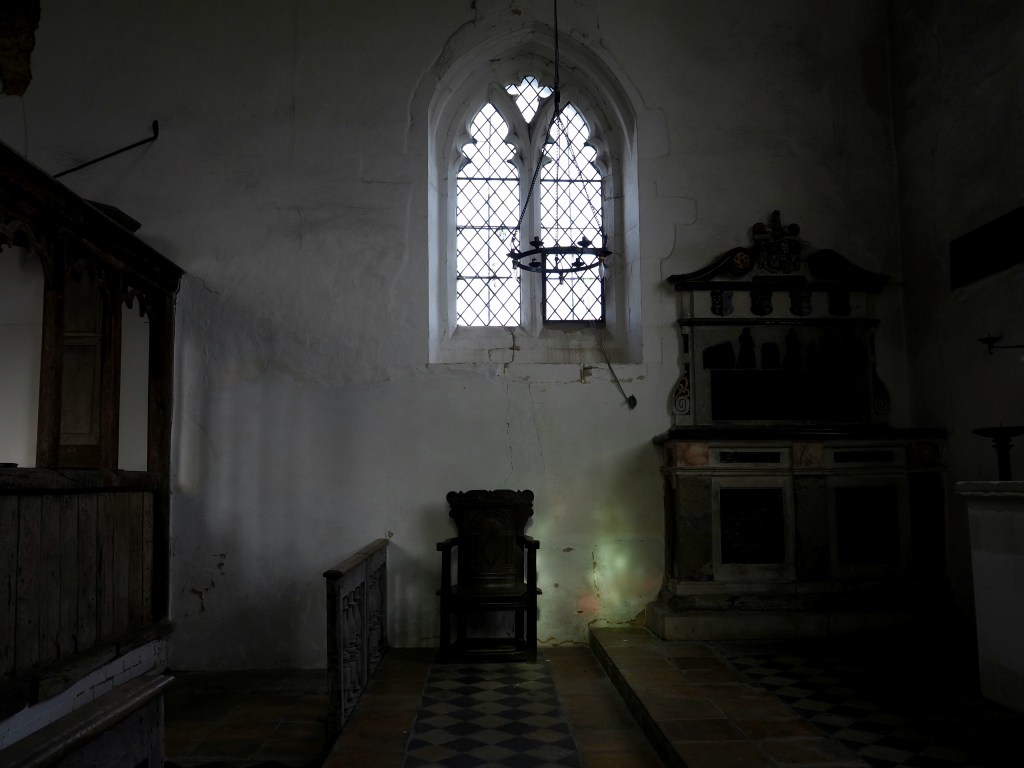
Two more medieval churches – St George’s at Edworth, and a longstanding favourite, St Mary Magdalene at Caldecote. Both are isolated and long bereft of parishioners, maintained by charitable bodies but open to visitors. Each is a minor jewel. Edworth is particularly fine with its remaining stained windows and carved pews while Caldecote’s charm is rustic.
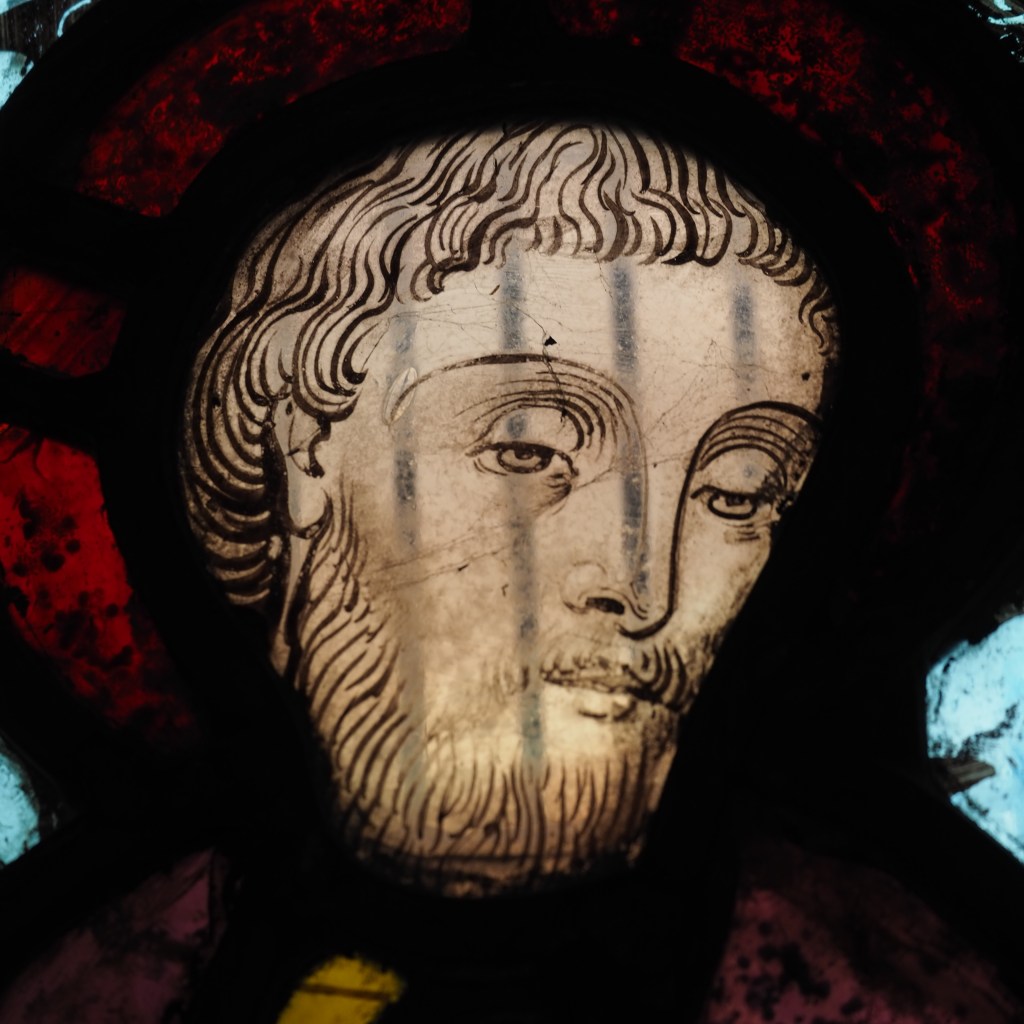
The figure of St Edmund – Saxon king of East Anglia and original patron saint of England – and another saint at Edworth date from the 14th century. Each is surrounded by motifs of leaves and acorns of English oaks, rooting the subjects to the land.
The faces are astounding, particularly that of the saint on the right, so few lines conveying so much weight of character. Edmund’s crown also looks to be of oak leaves. I would like to think this is the artist tying him to England in an implied contrast to the post-Norman monarchy of the day.
OLYMPUS DIGITAL CAMERA
High up in the triforium is a 15th century depiction of St James, again depicted with a face of simplicity and depth but all the more wonderful for being scarcely perceptible to the naked eye, this photograph having been taken with a modest zoom lens and enlarged on editing.
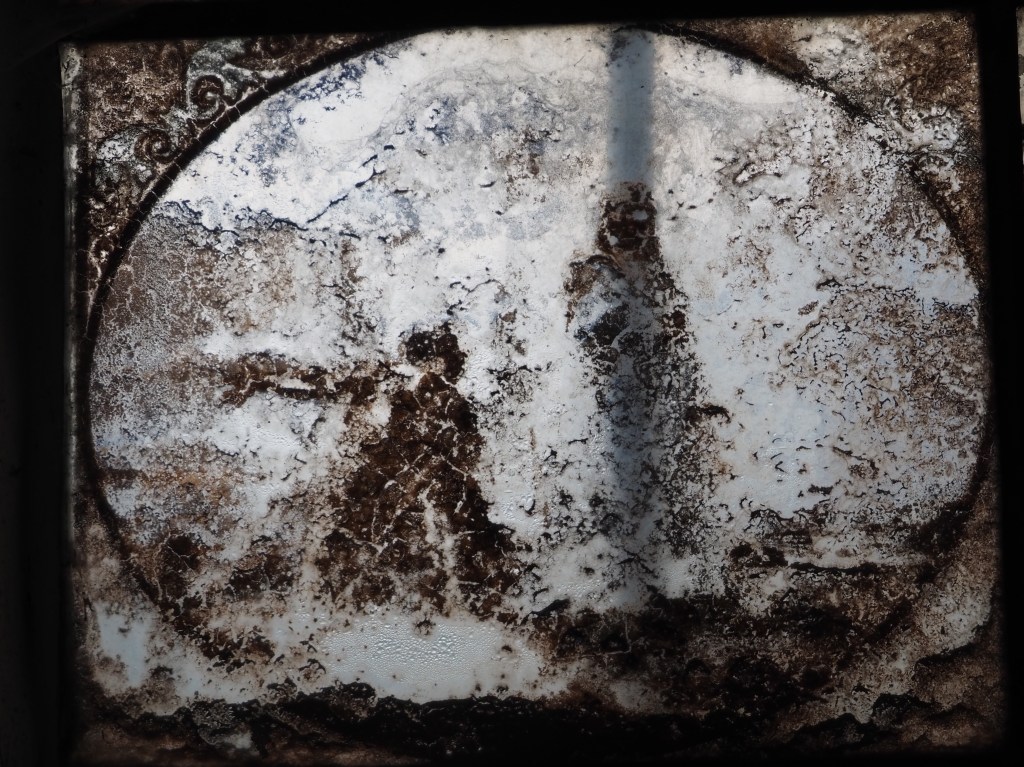
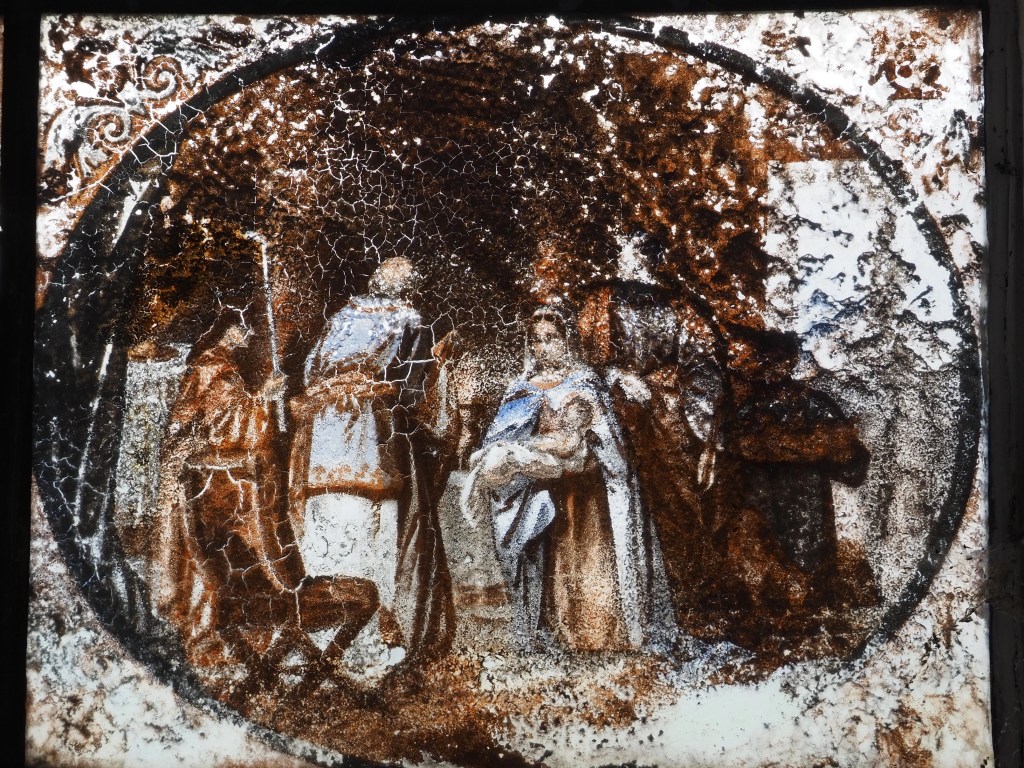
The ghosts of post-reformation glasswork at Edworth
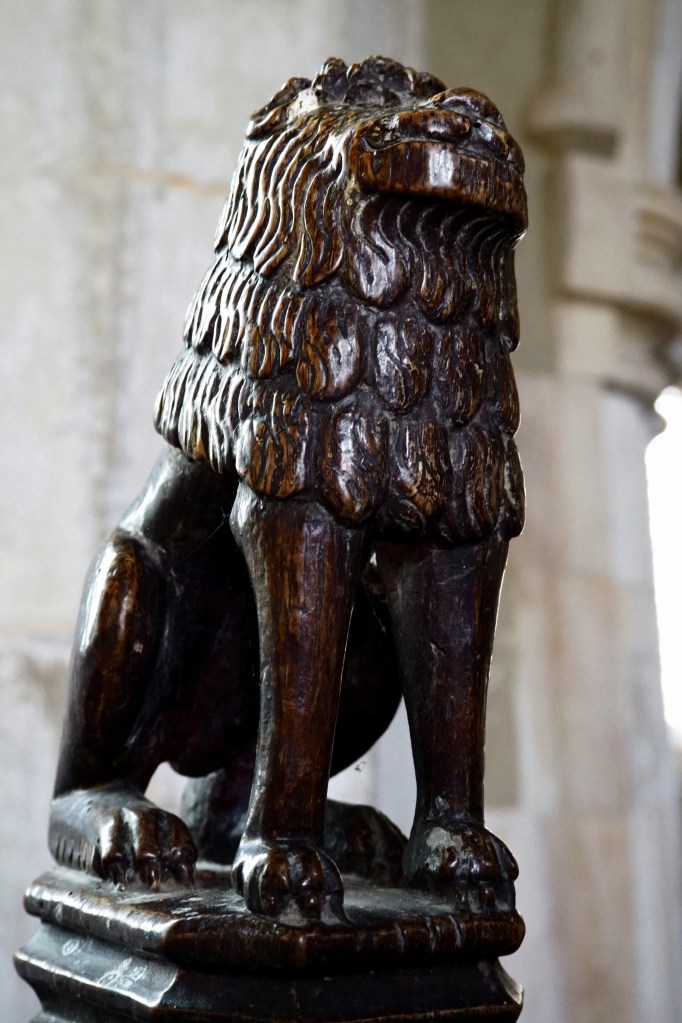
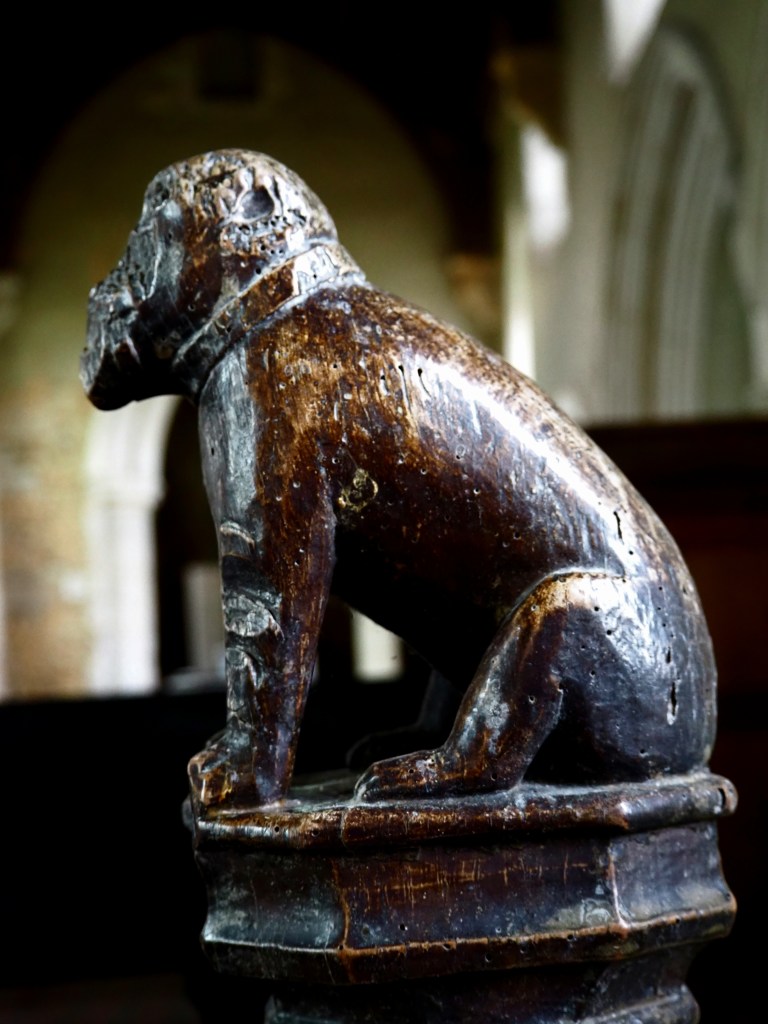
Still at Edworth, finials on the 15th century pews depict a lion and a baboon, animals never seen by the craftsmen who carved them.
Most of Caldecote is from the 14th century although a church may have been on the site several centuries earlier.
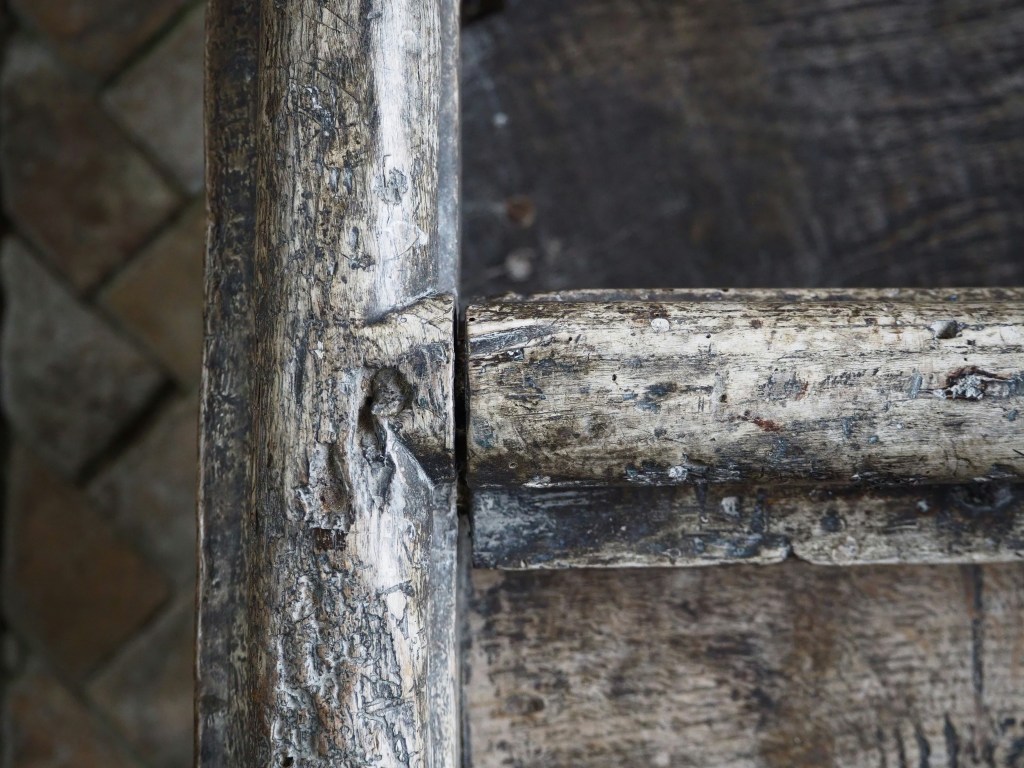
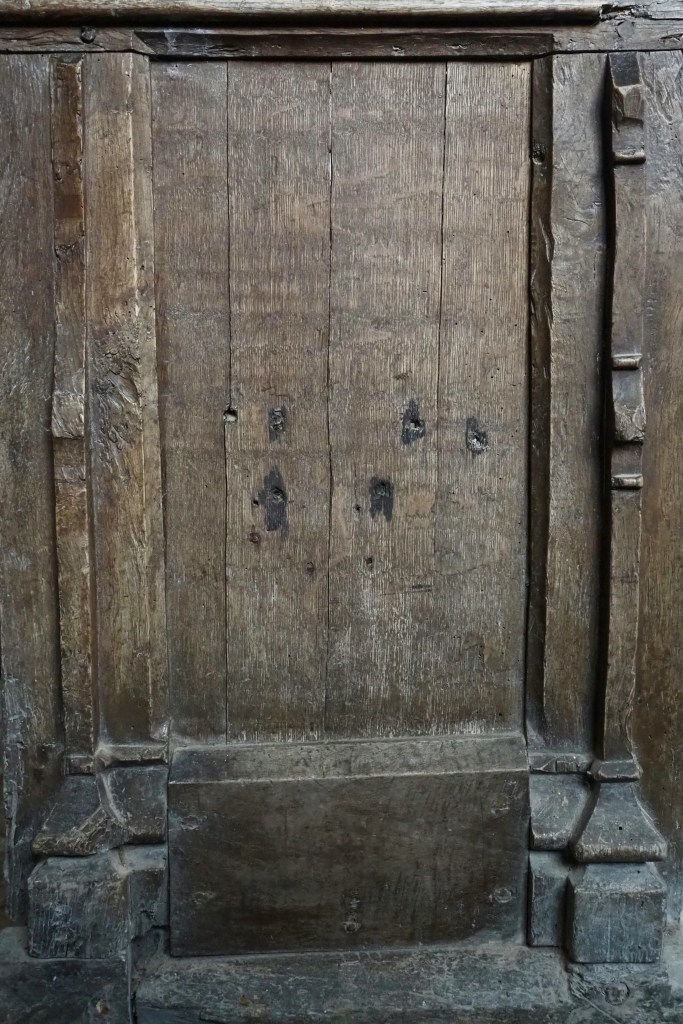
The simplicity of the 15th century pews, which retain carpenters’ markings to guide their assembly, echoes the simplicity of the building, inside and out. They are worn and rubbed smooth by the hands of seven centuries.
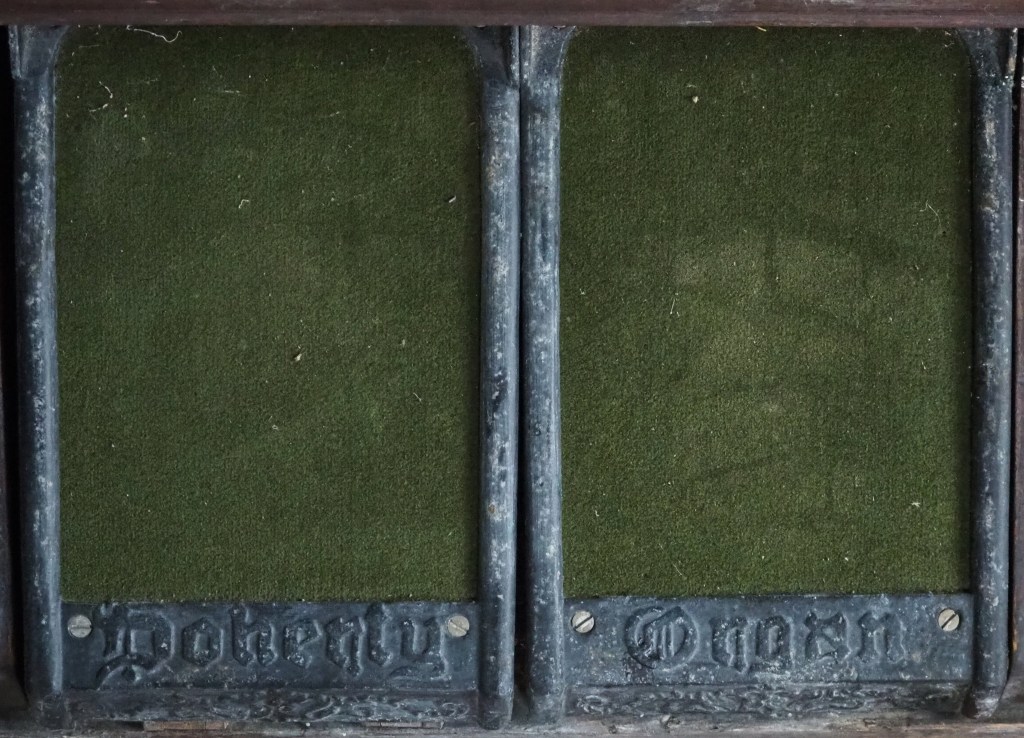
The pedals of the Doherty organ at Caldecote. No longer functional, the organ may be the most exotic item in the church, Doherty’s being a Canadian organ maker of the 19th and early 20th centuries.
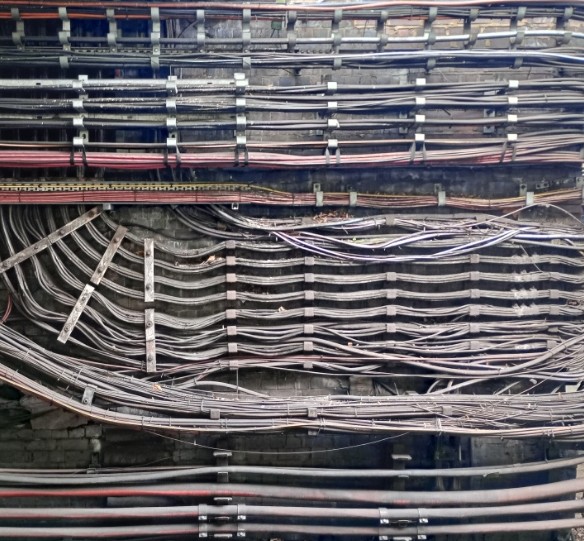
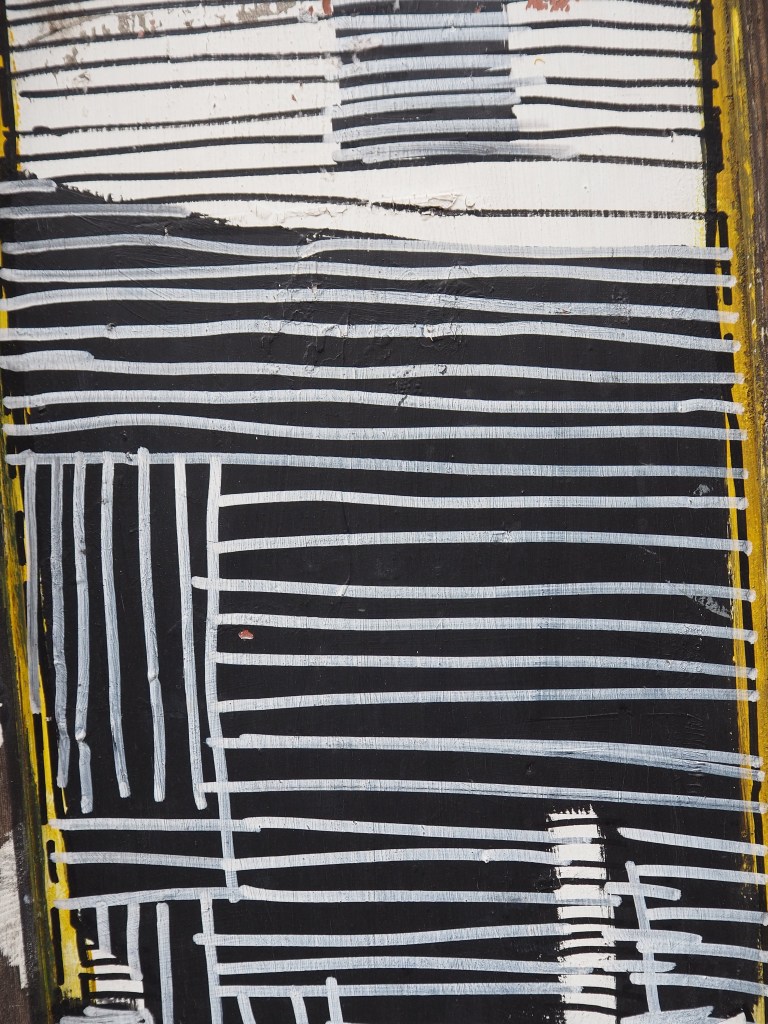
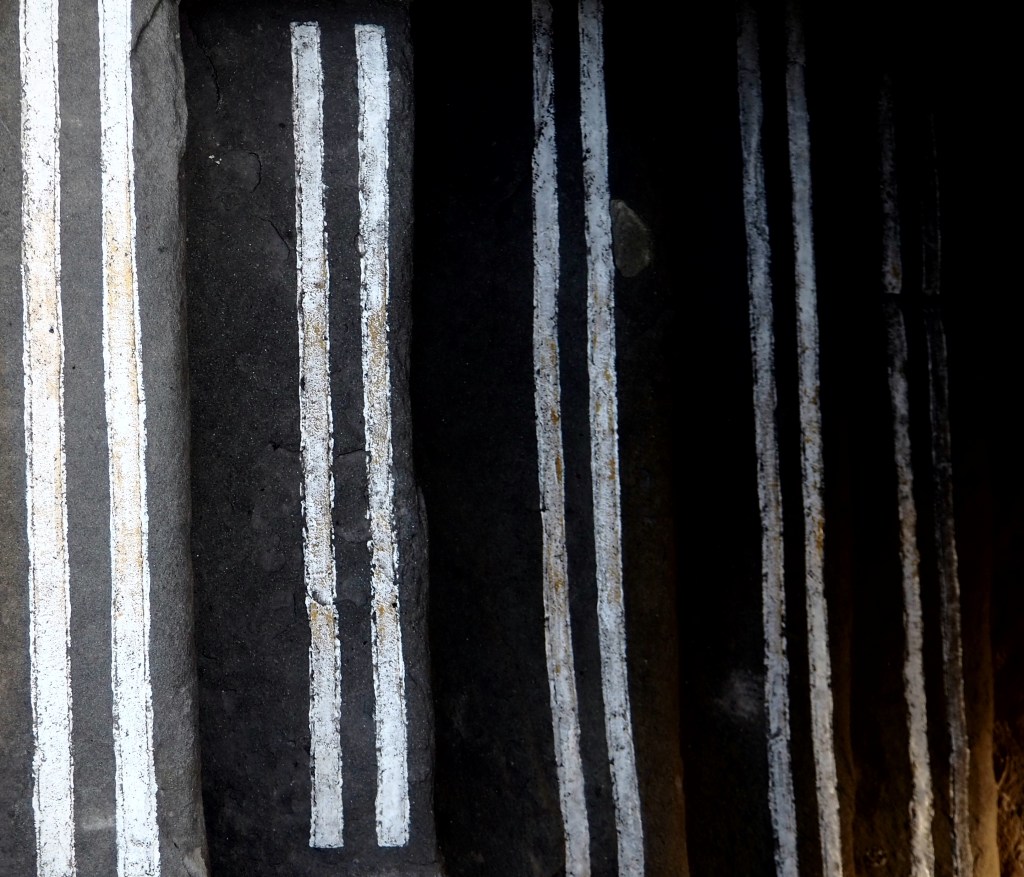
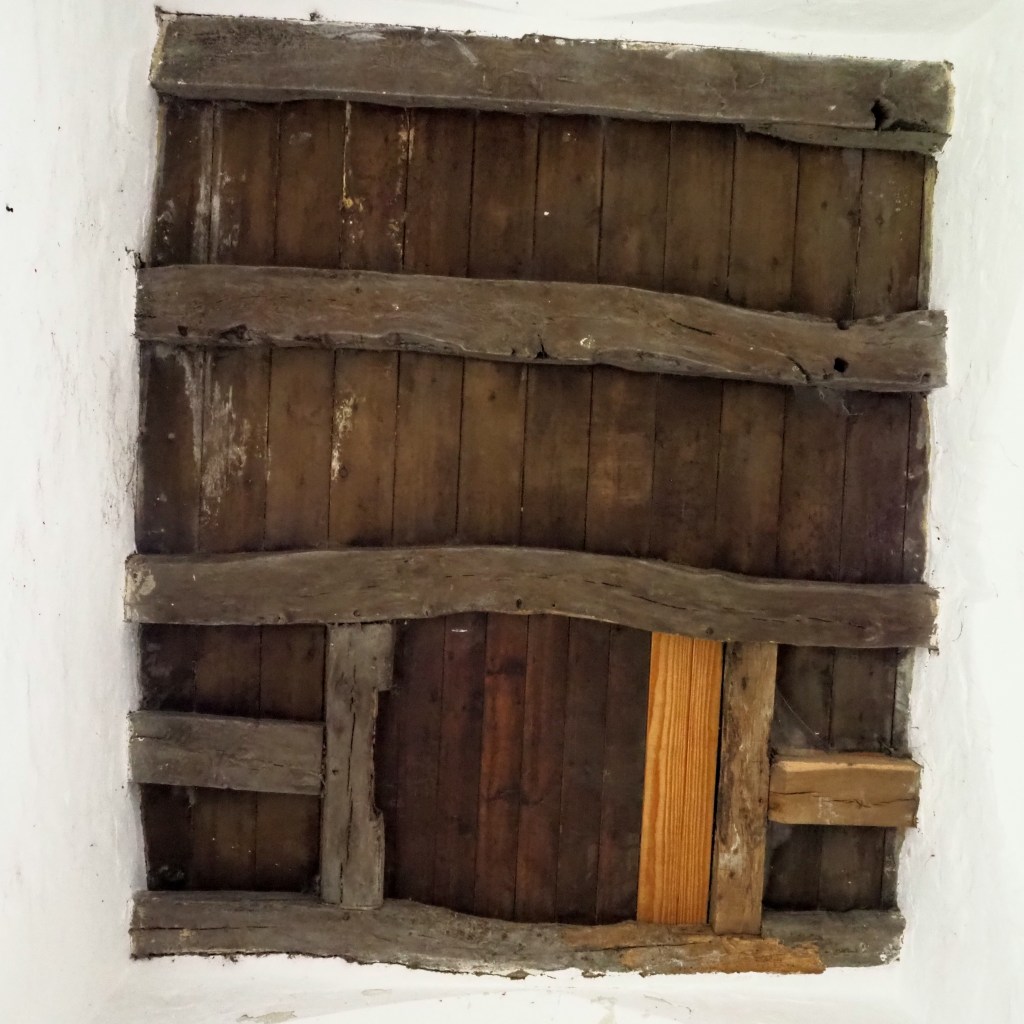
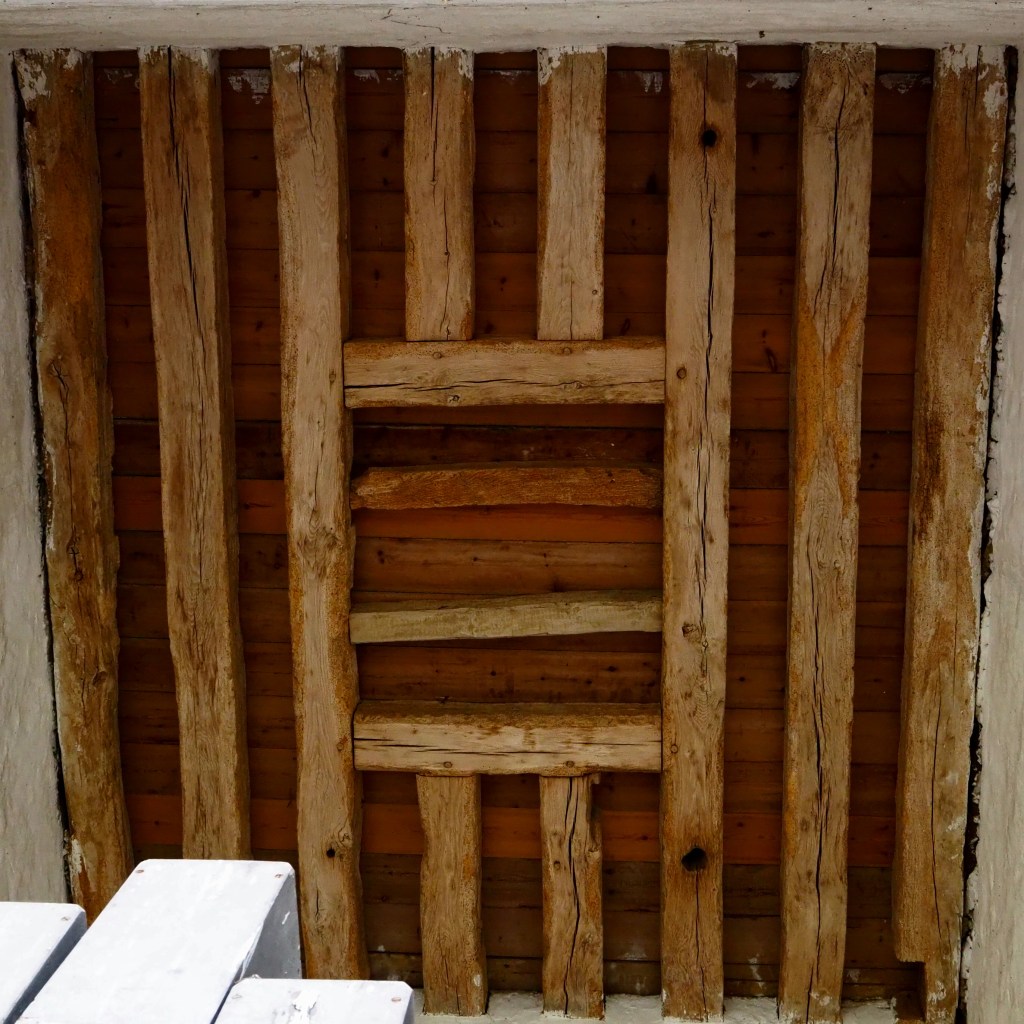
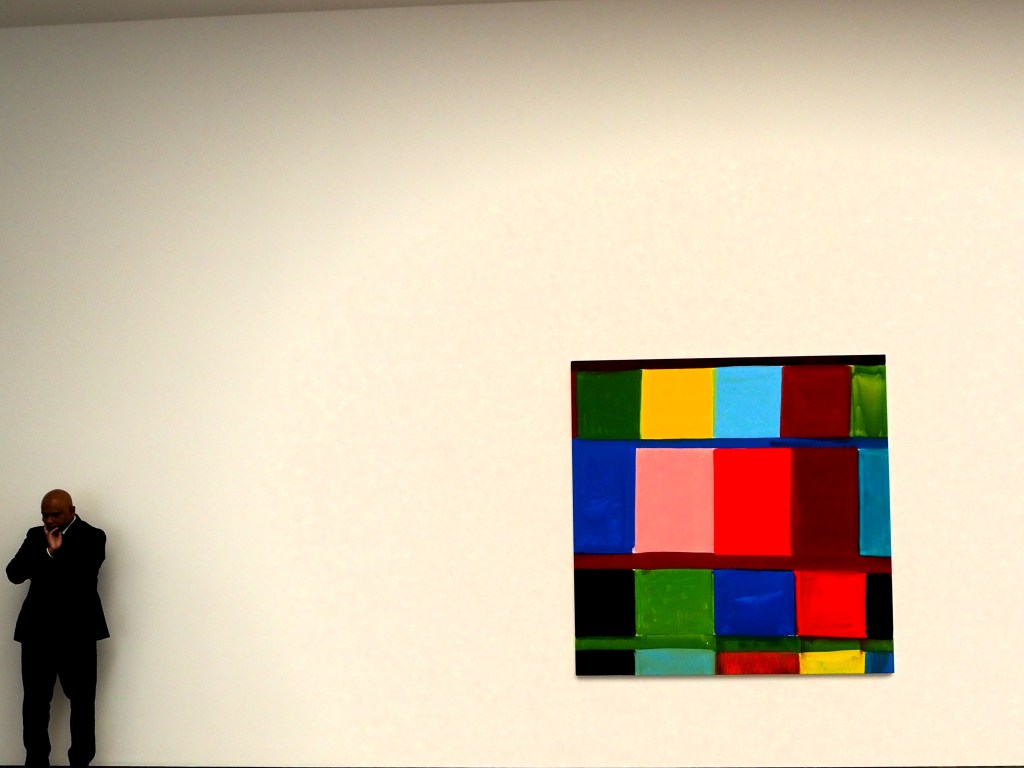
The underside of the organ loft at Caldecote, like that at Lower Gravenhurst (see previous post) is a candidate for a painting by Sean Scully.
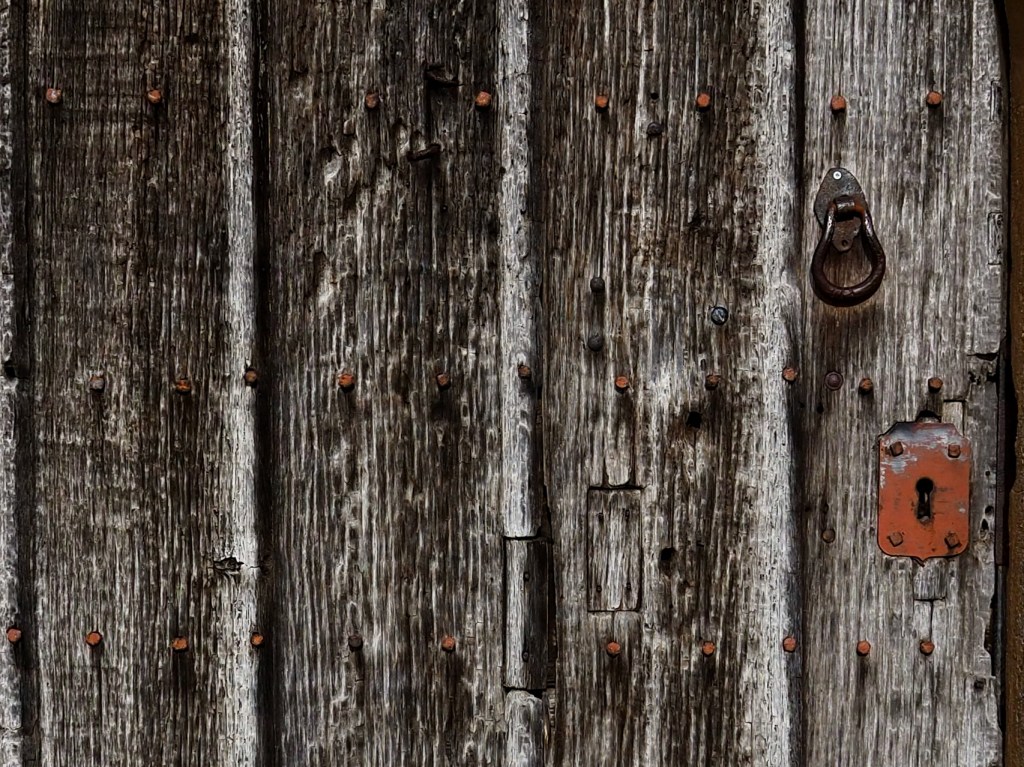
Medieval door at Lower GravenhurstBelfry loft hatch Lower Gravenhurst – material for a Sean Scully painting?Nave and chancel at Lower GravenhurstChancel Lower GravenhurstBaldock churchWestminster AbbeyWestminster Abbey
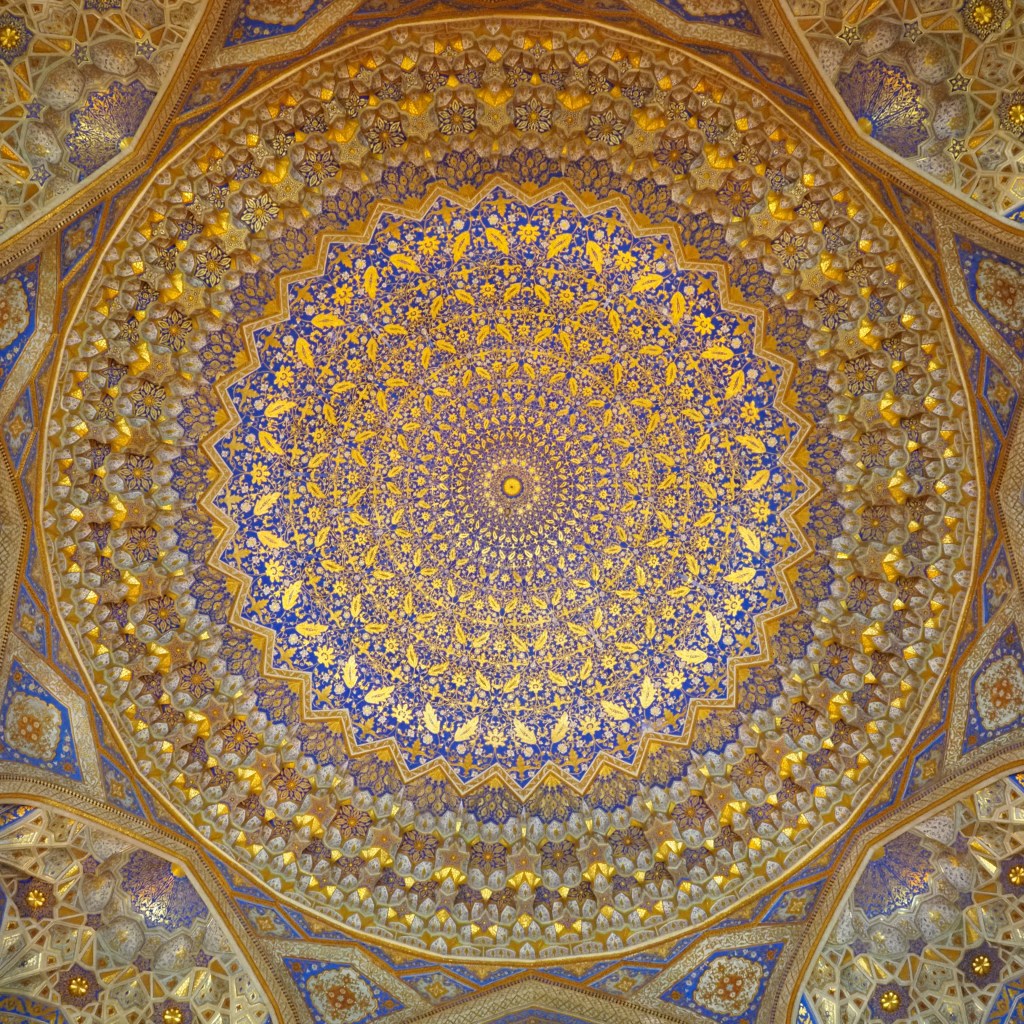
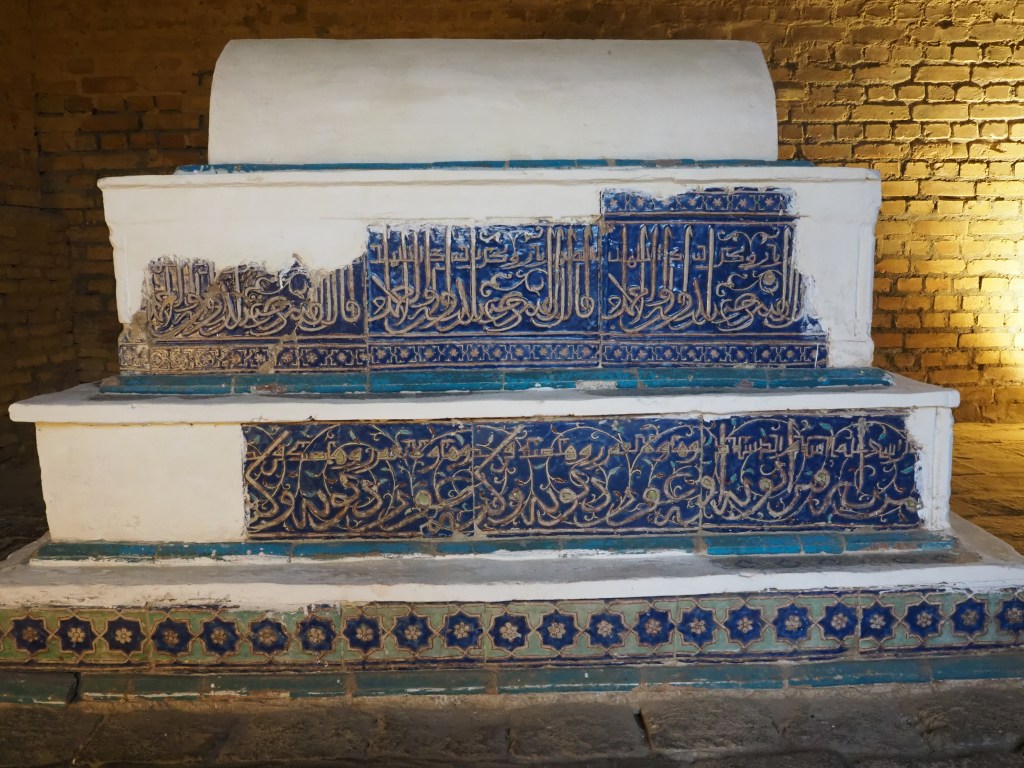
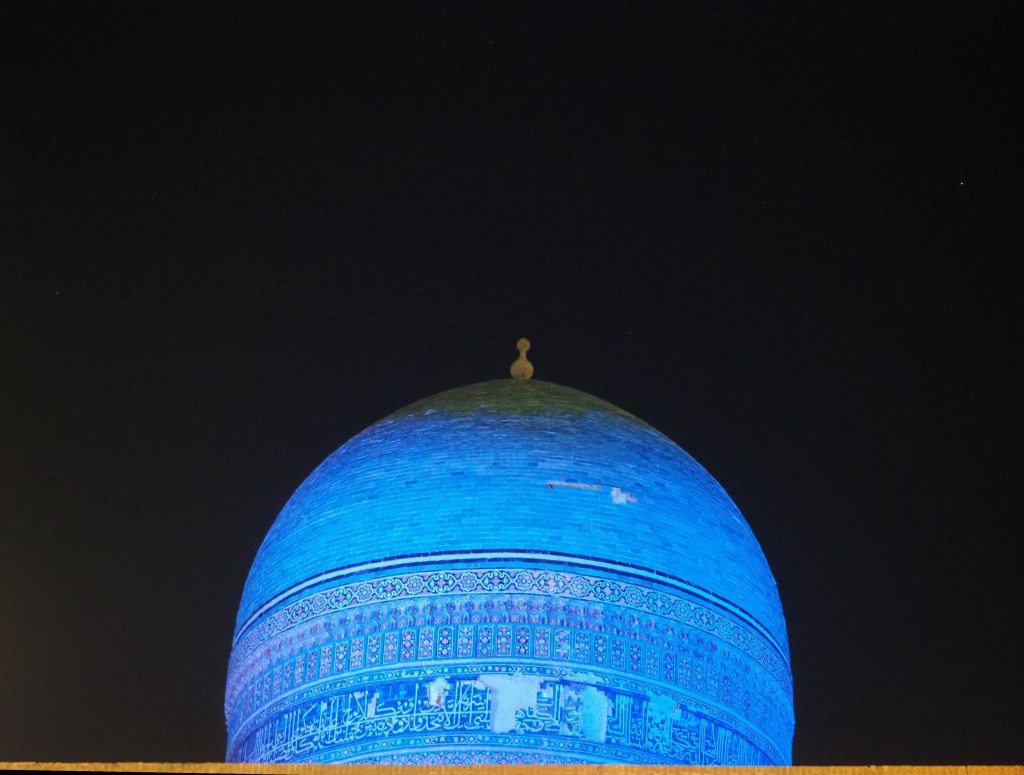
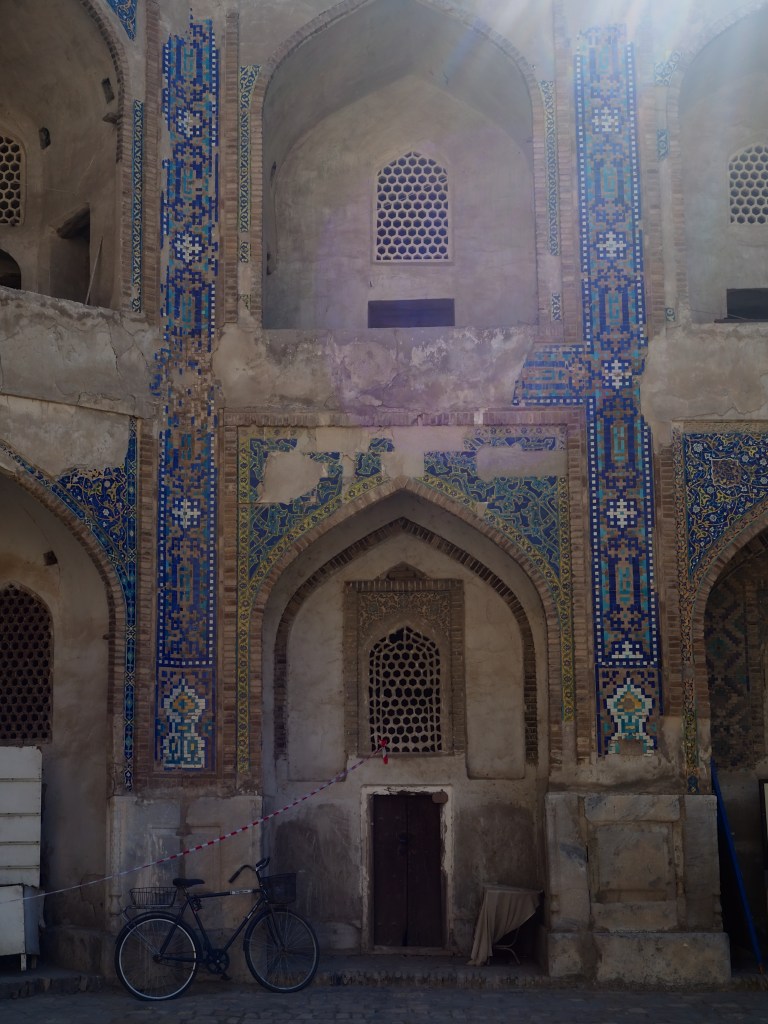
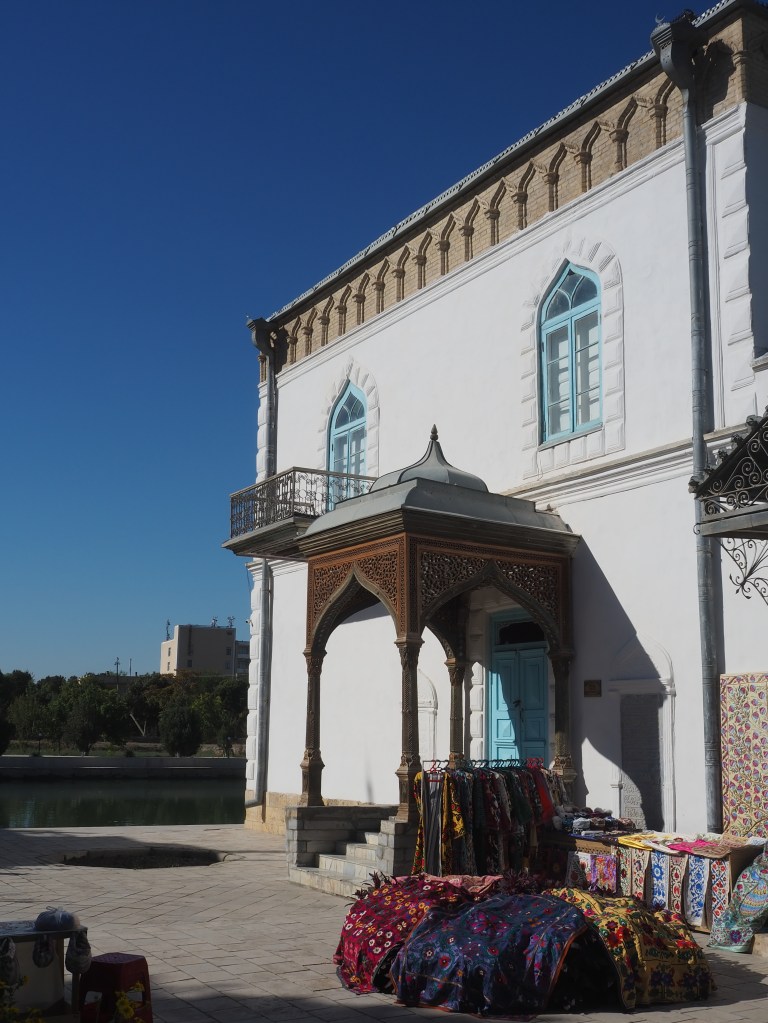
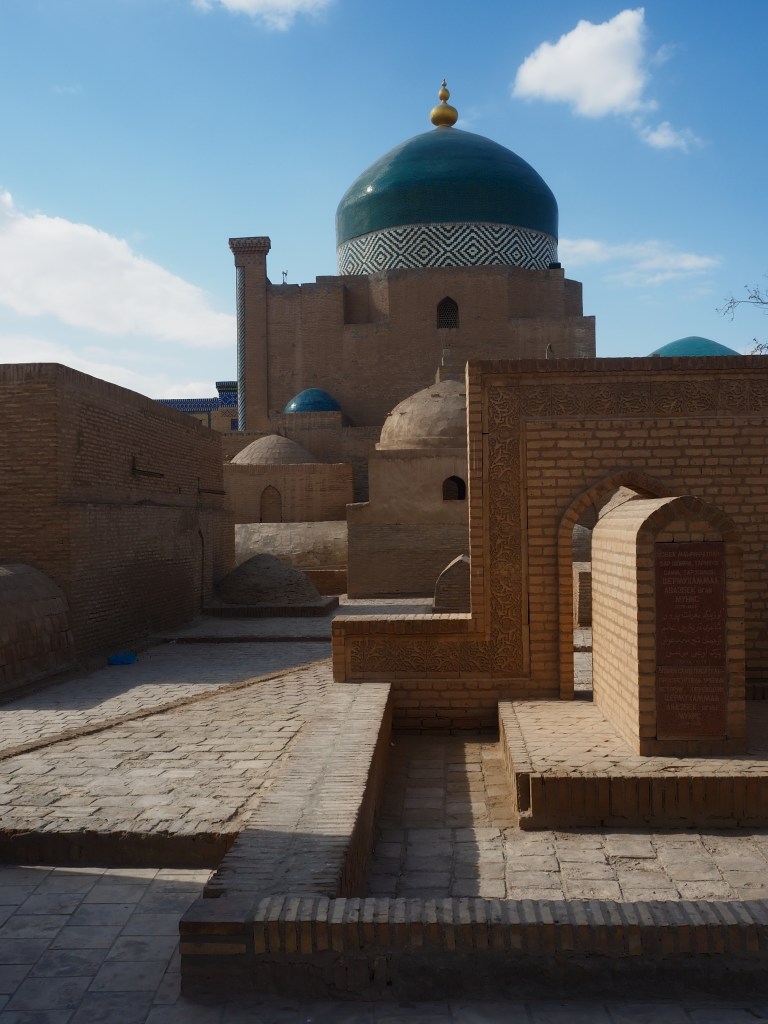
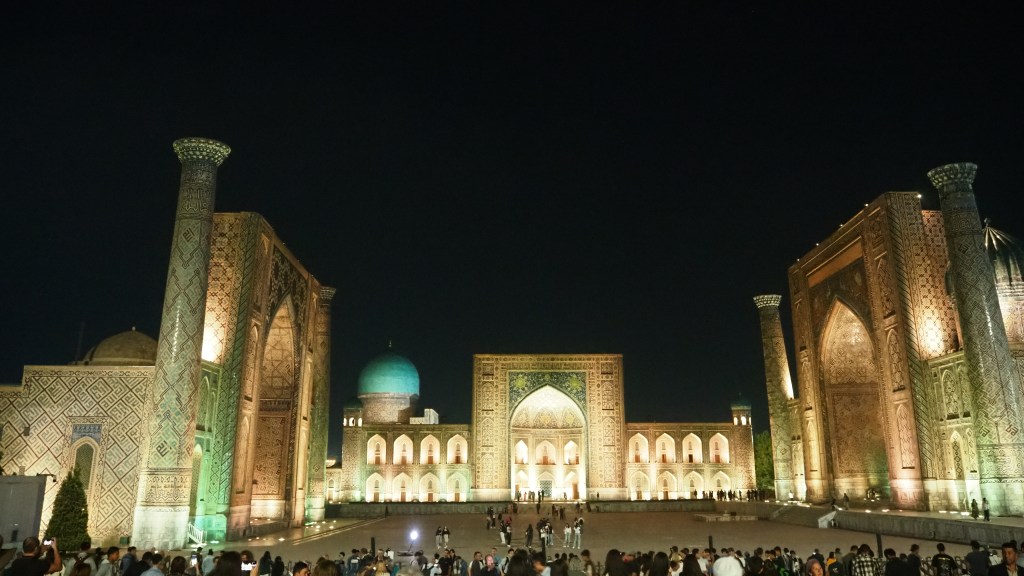
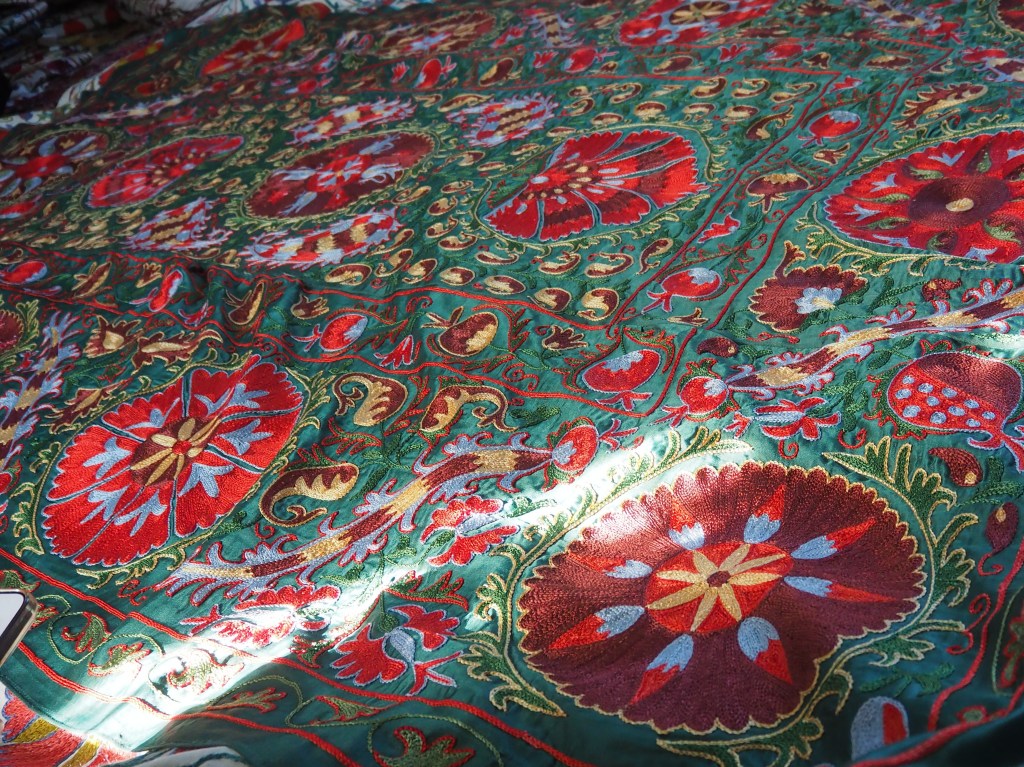
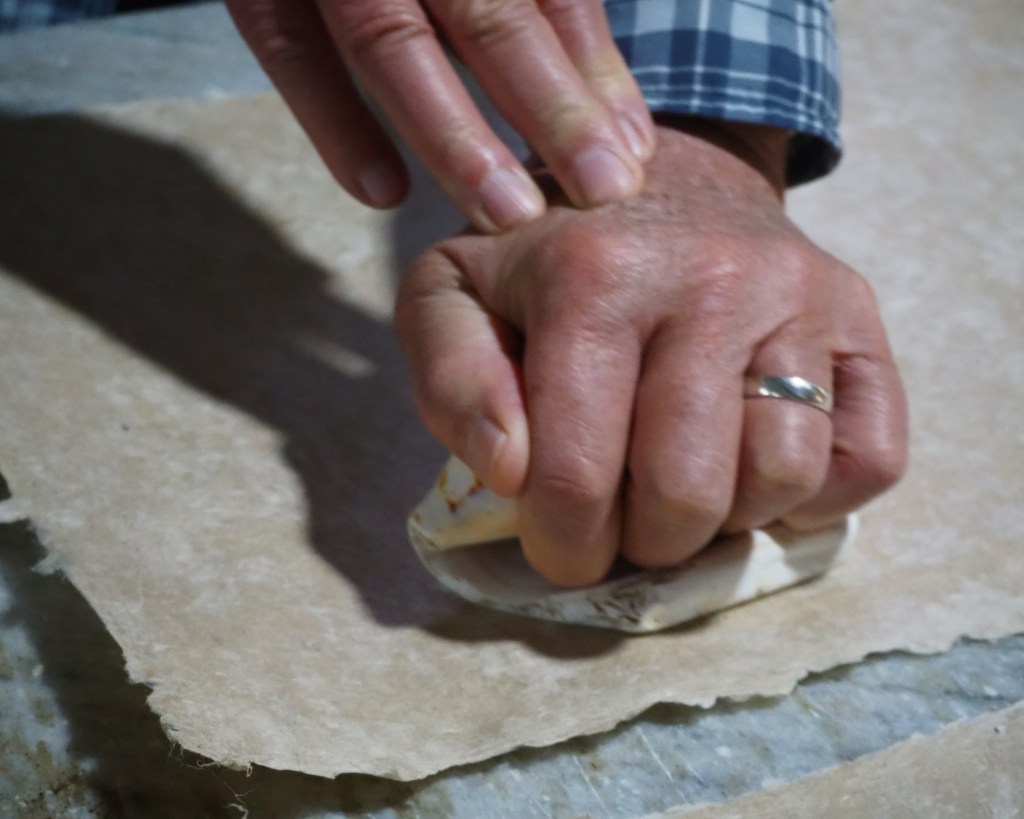
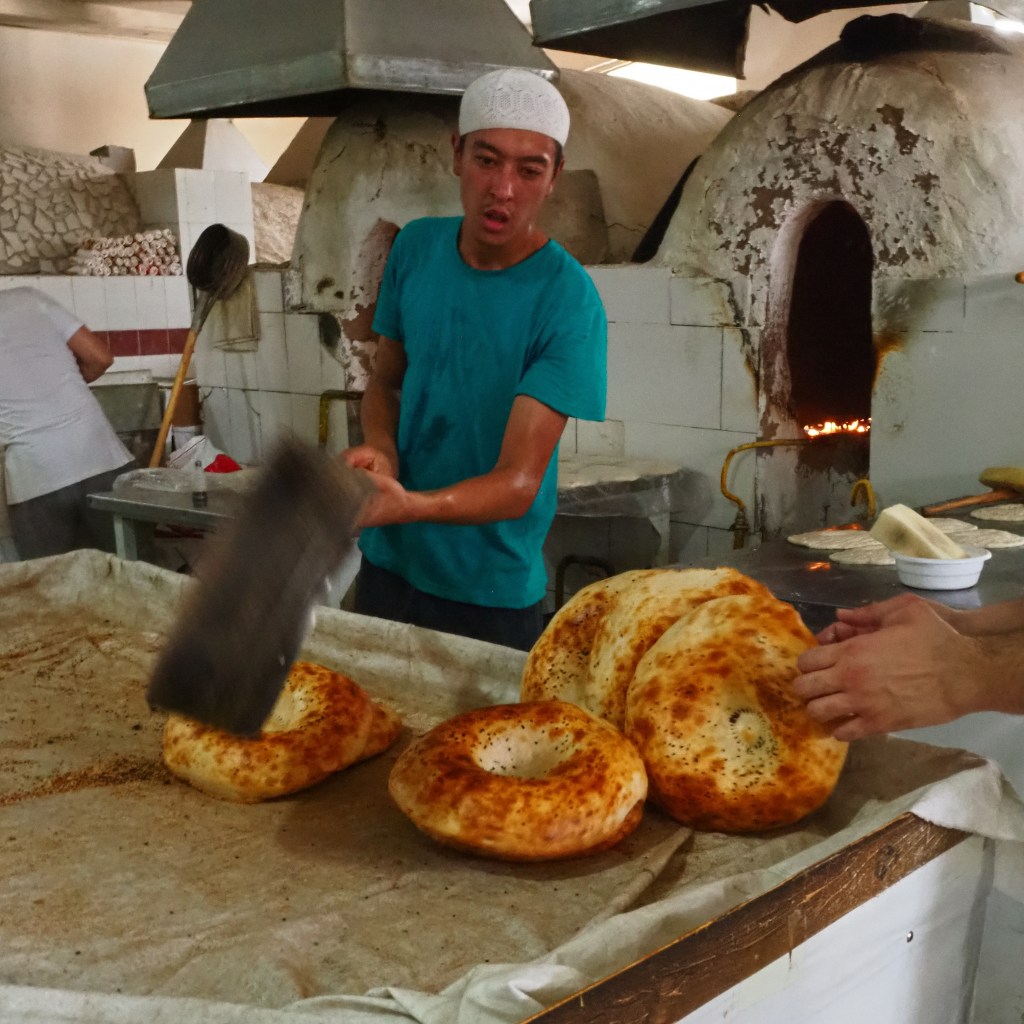
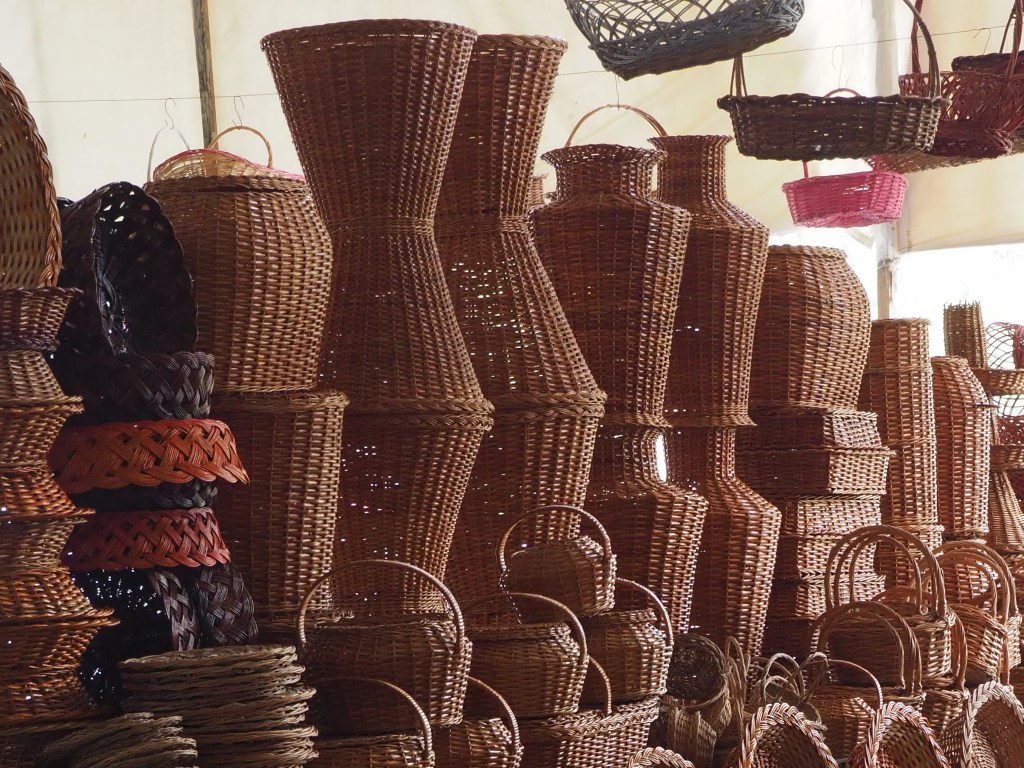
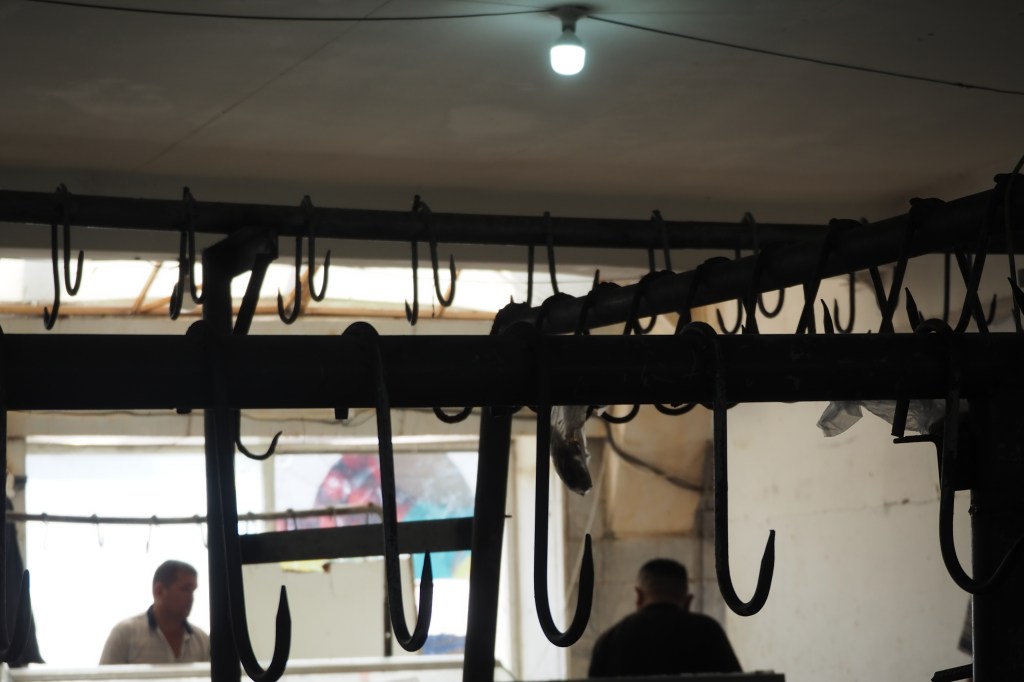
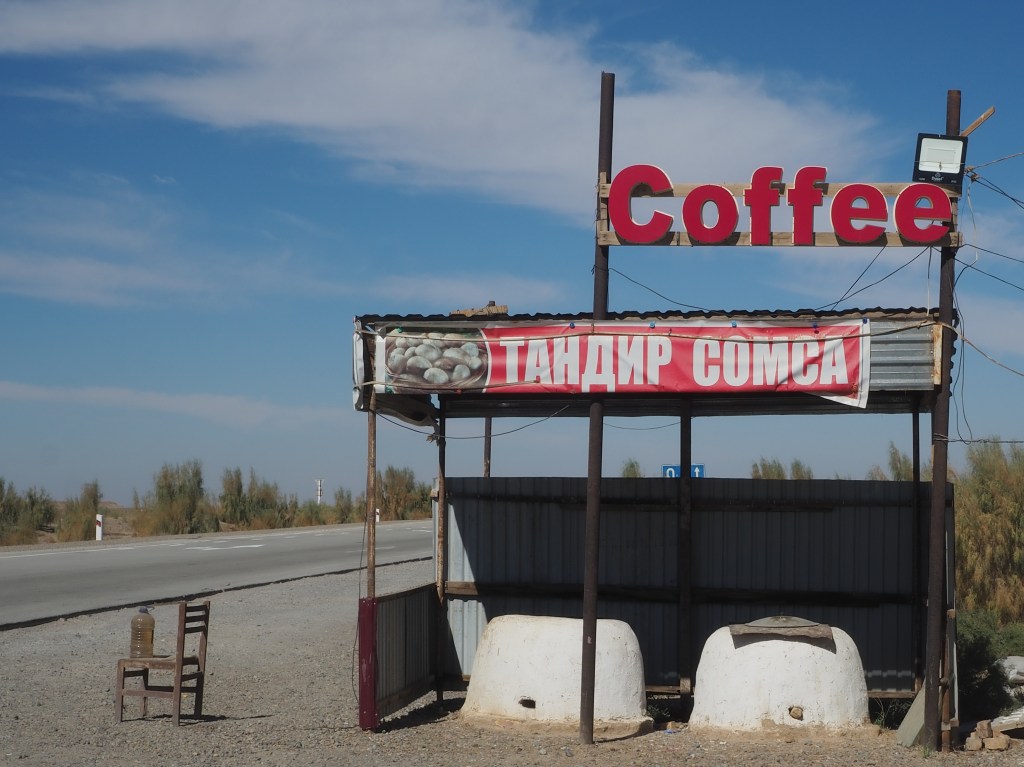
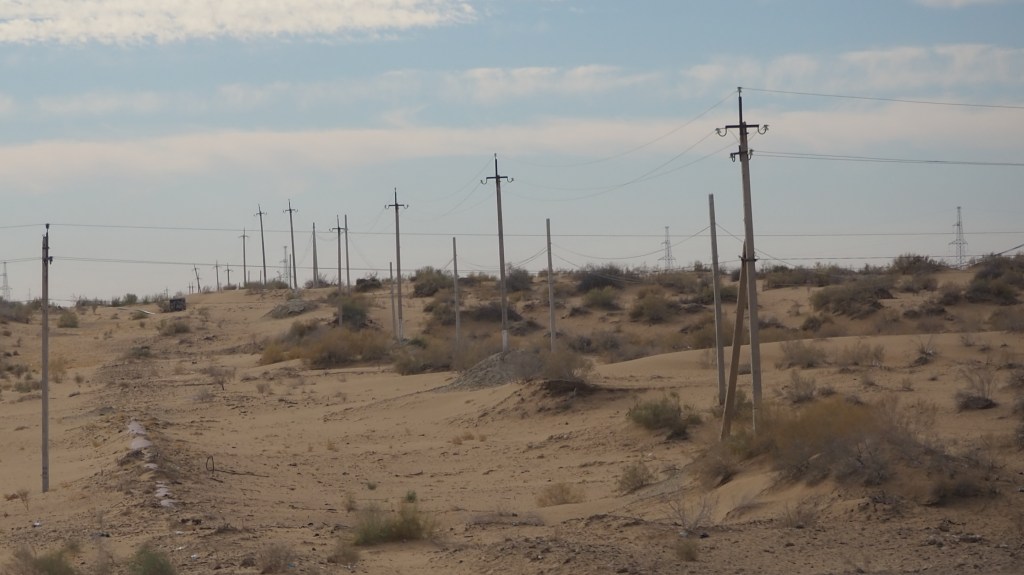
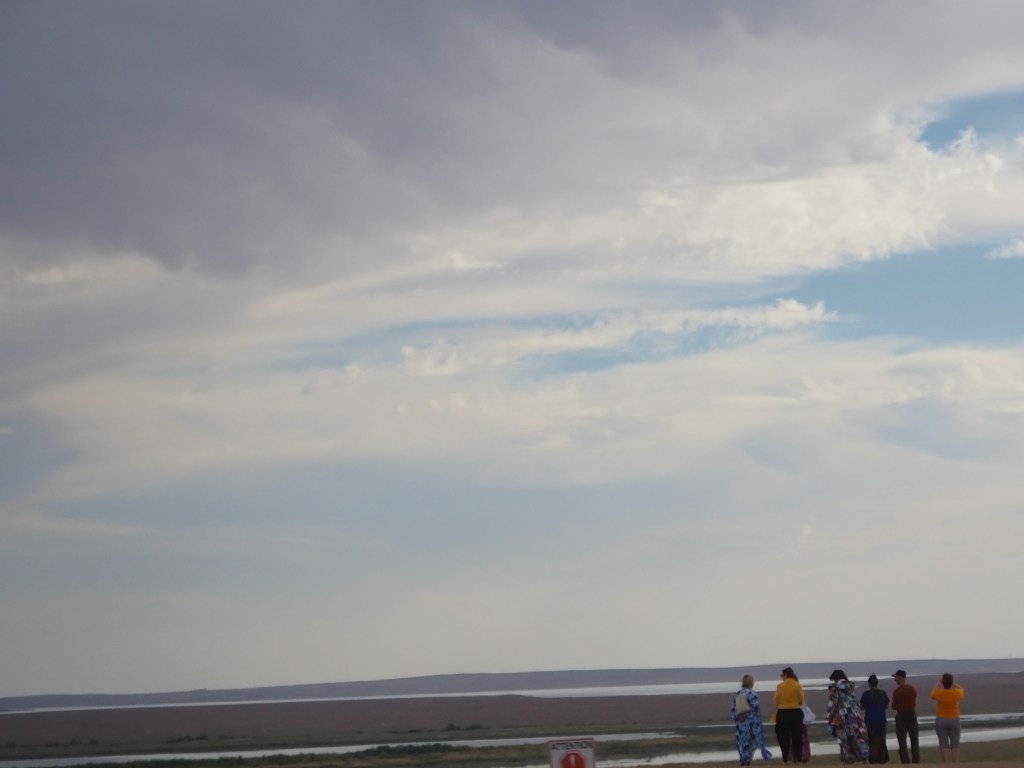
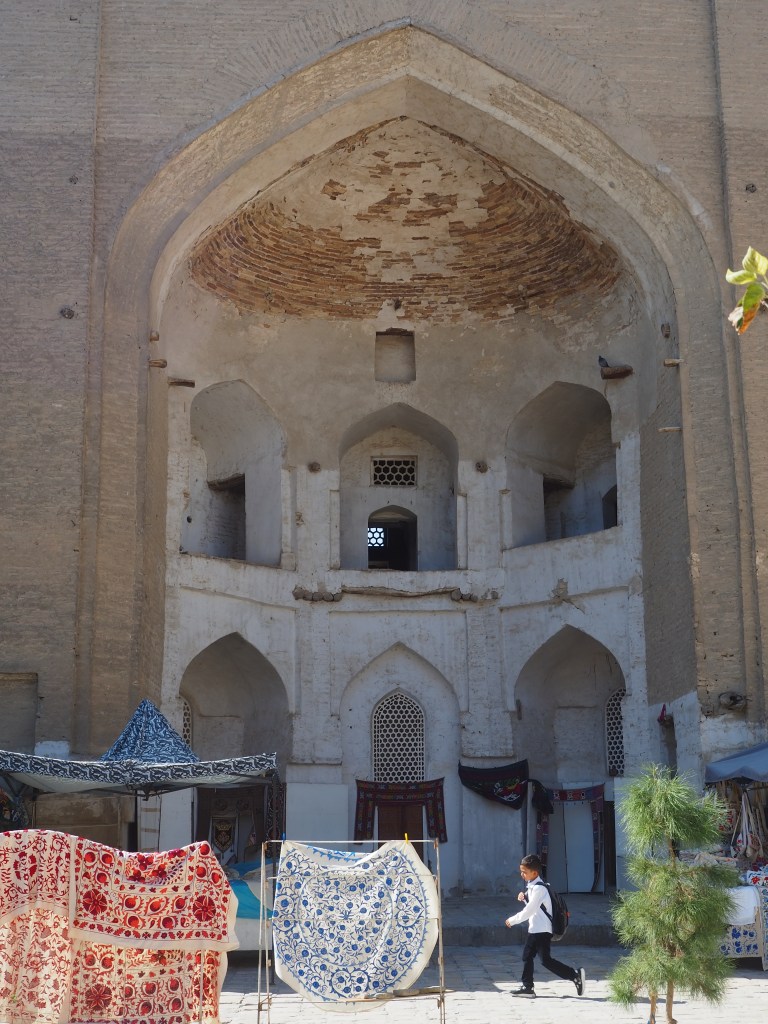
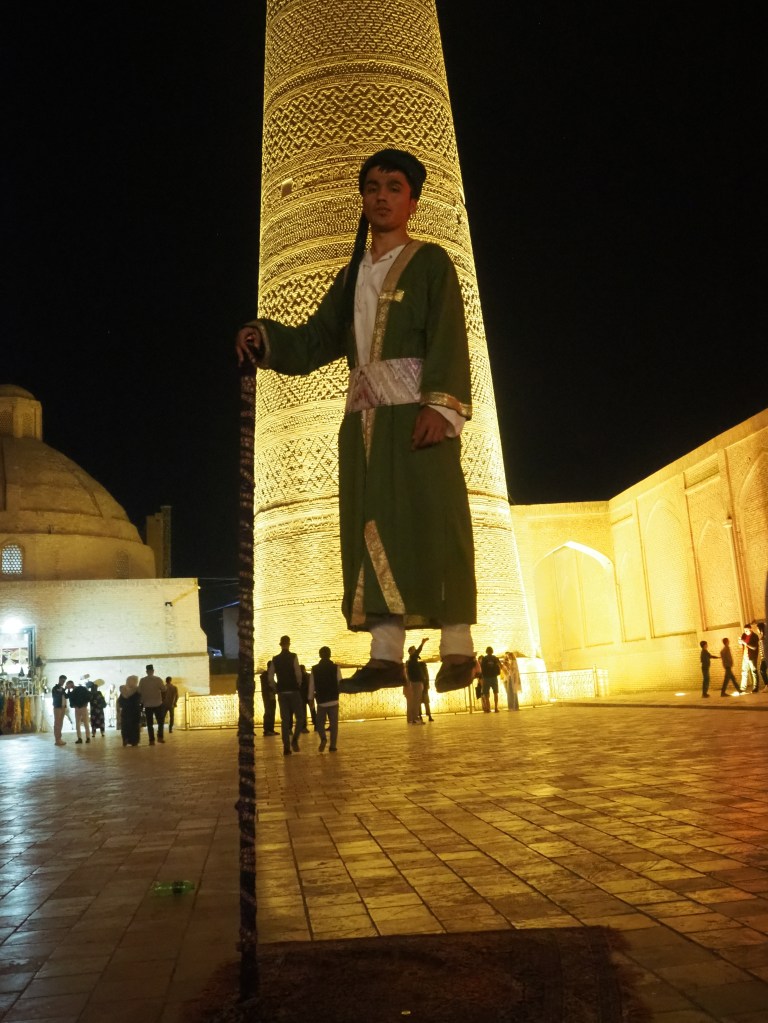
I open with a single shot of the architecture of Samarkand. I may post again with more but for now I remain too awed by the ancient mosques and madrassas of that city and of Bukhara and Khiva to represent them. So, what follows is more a flavour of (part) of the country as I saw it.
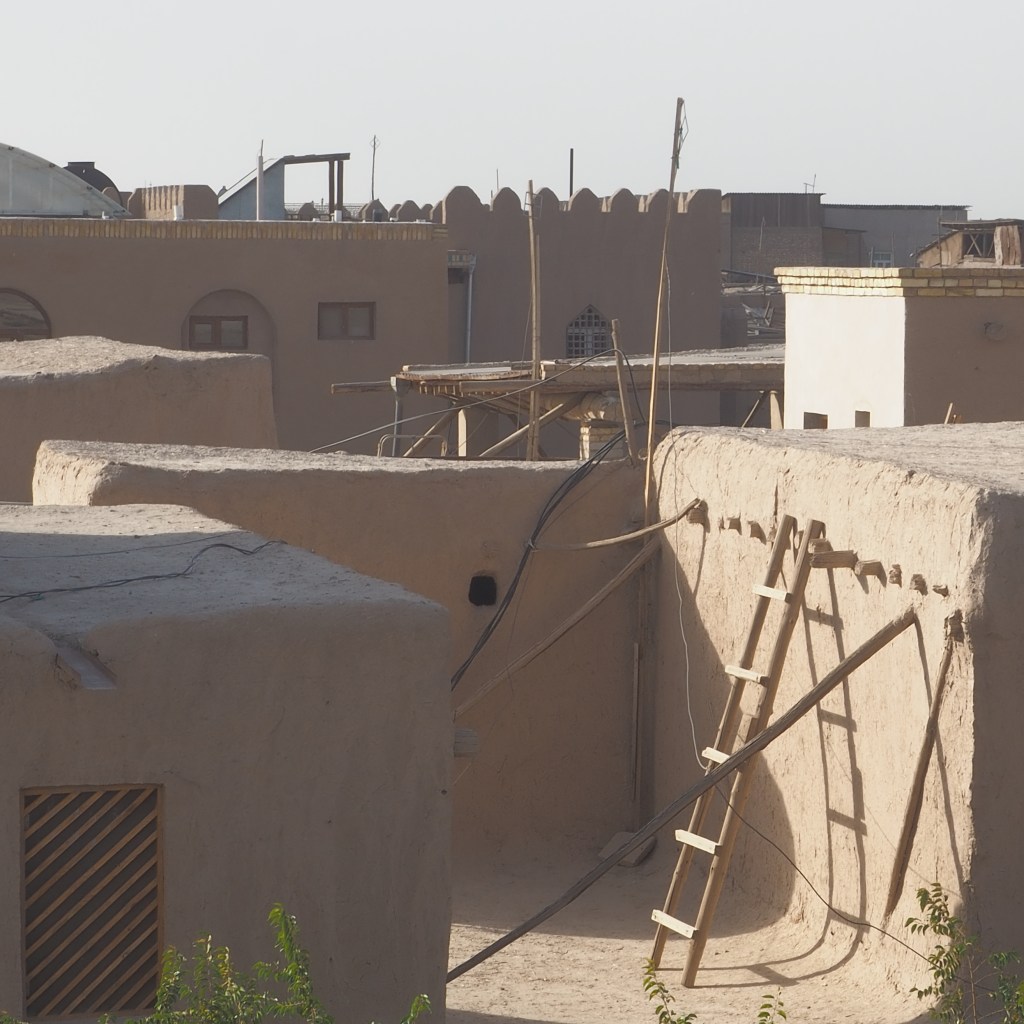
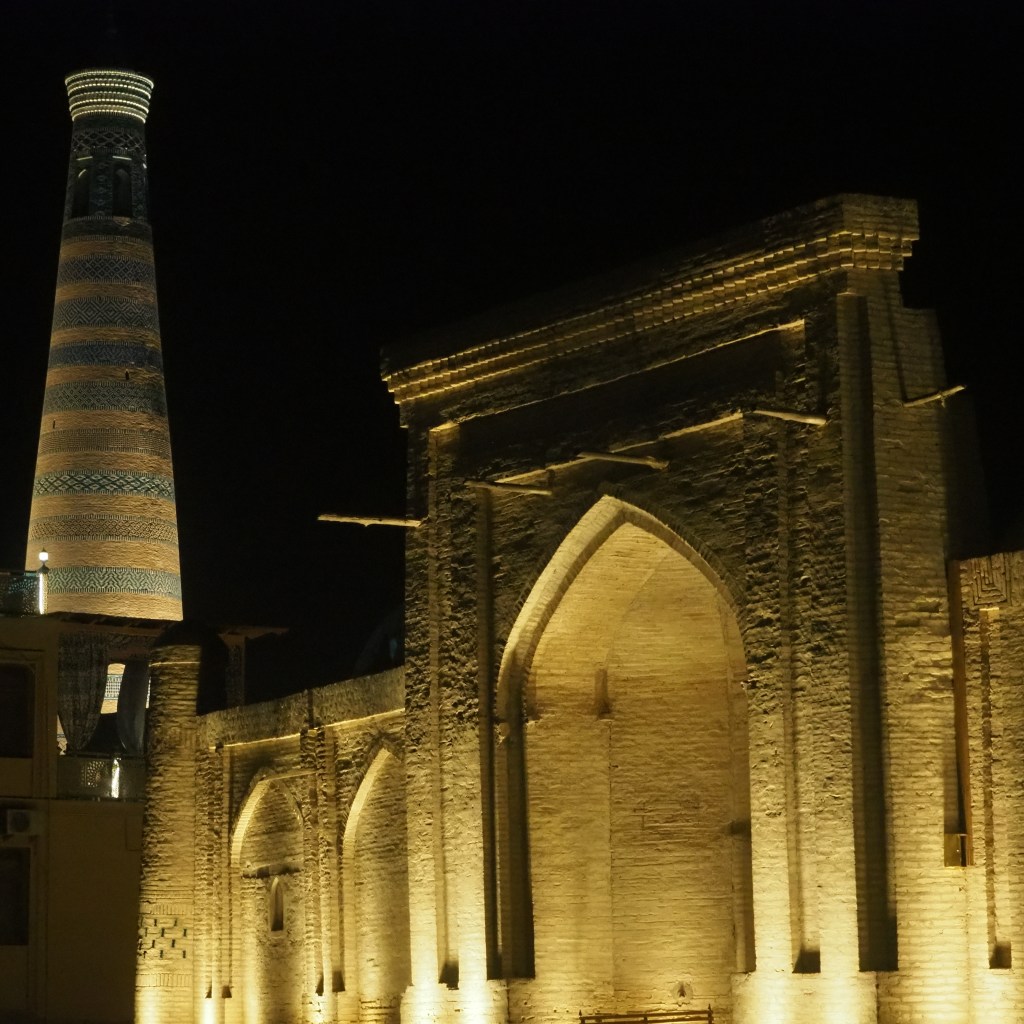
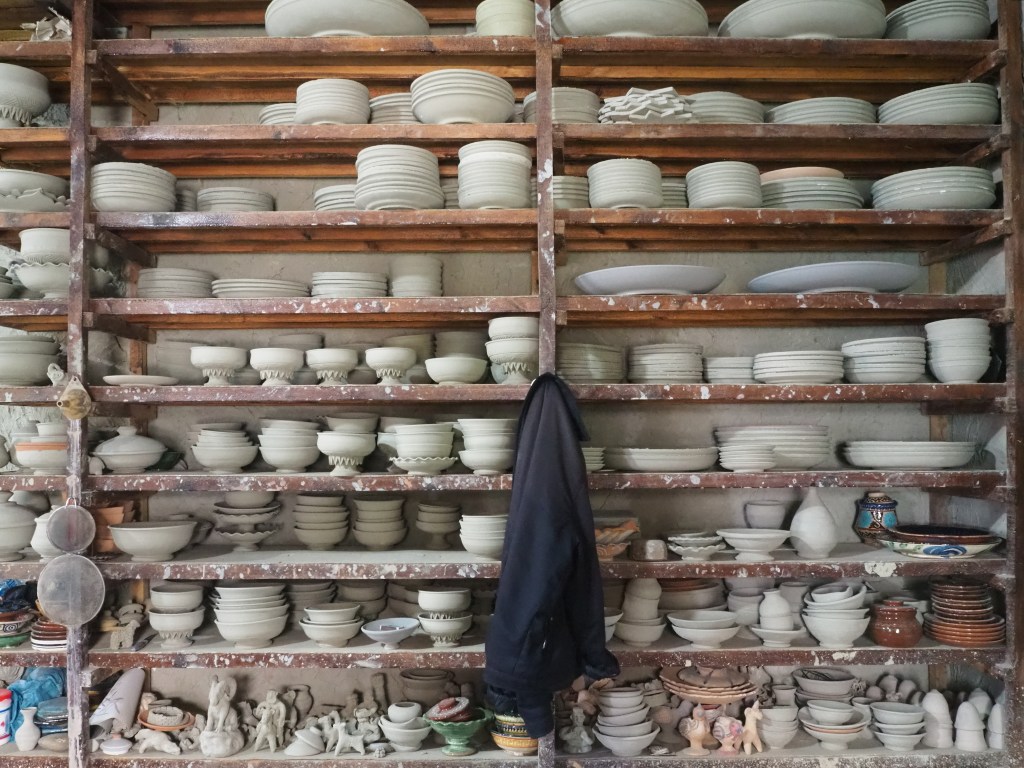
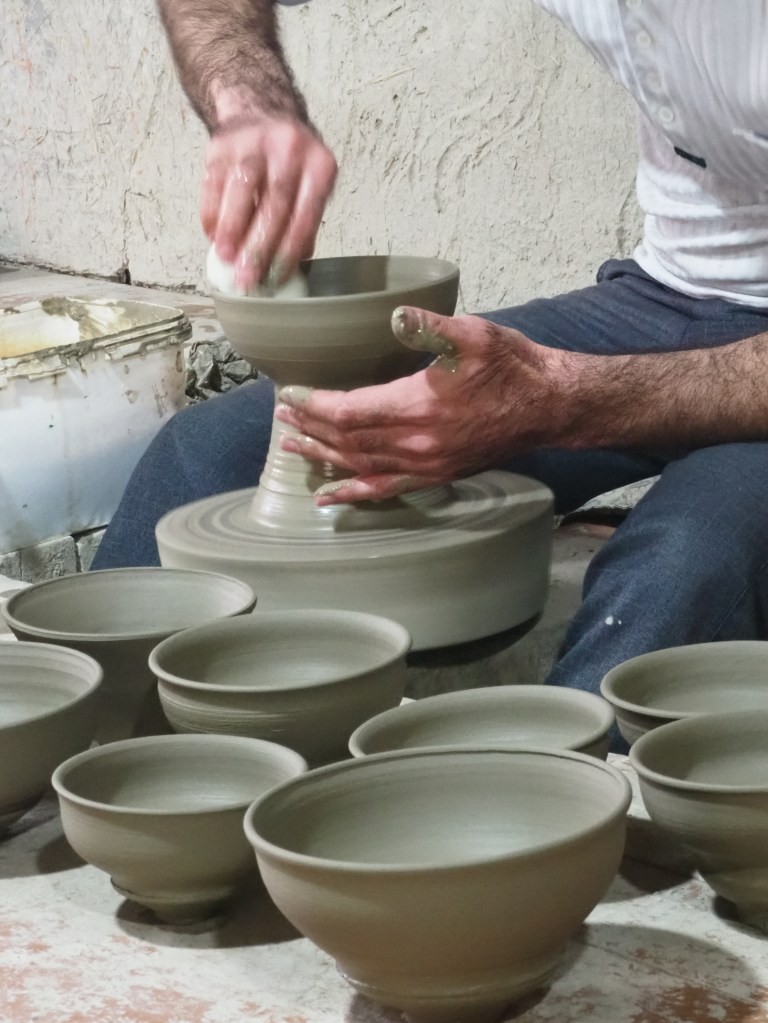
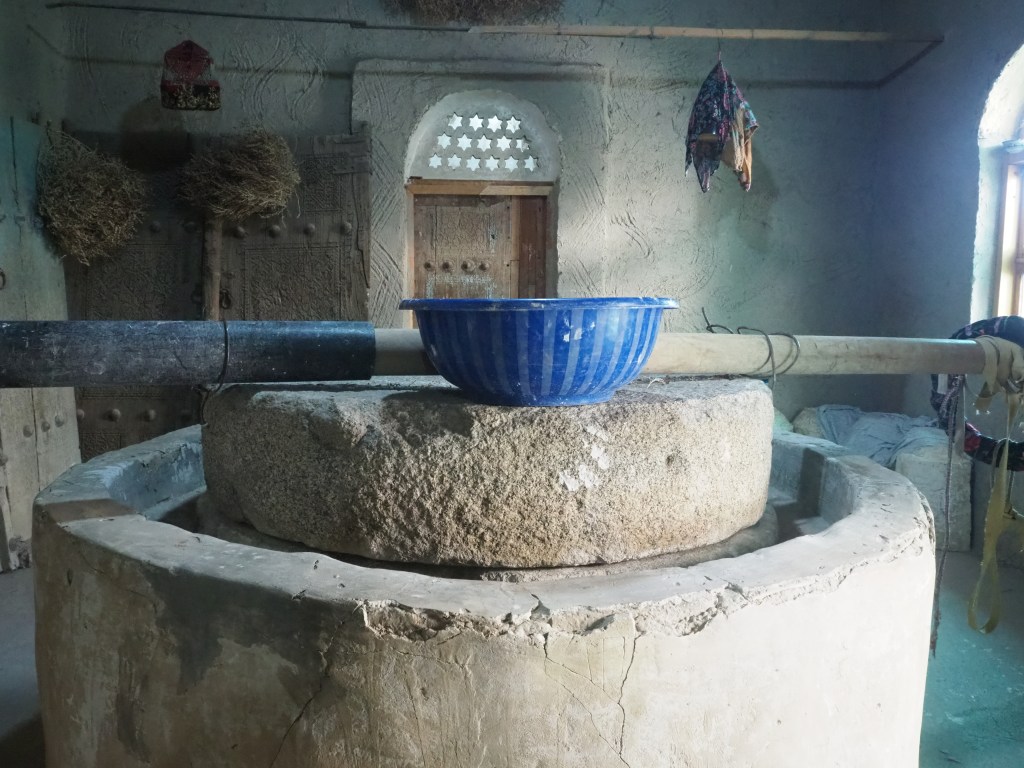
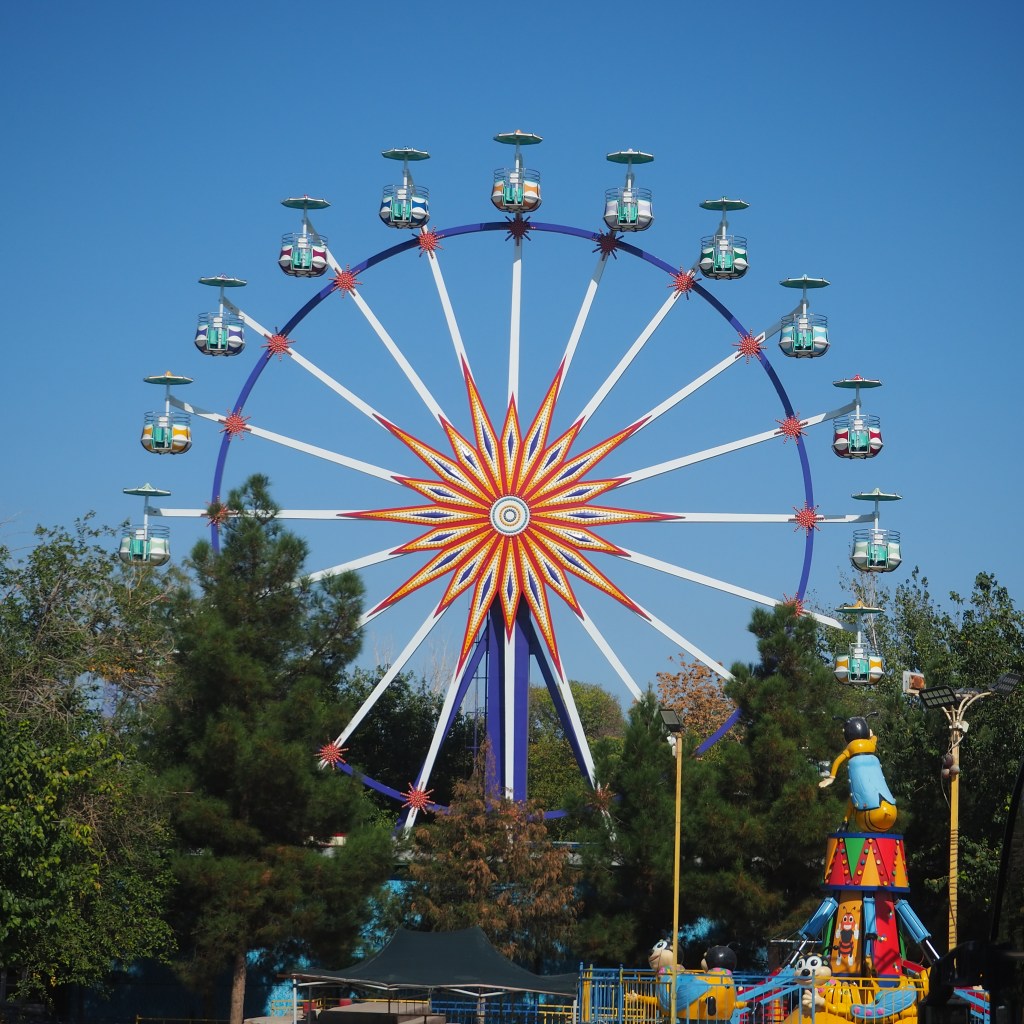
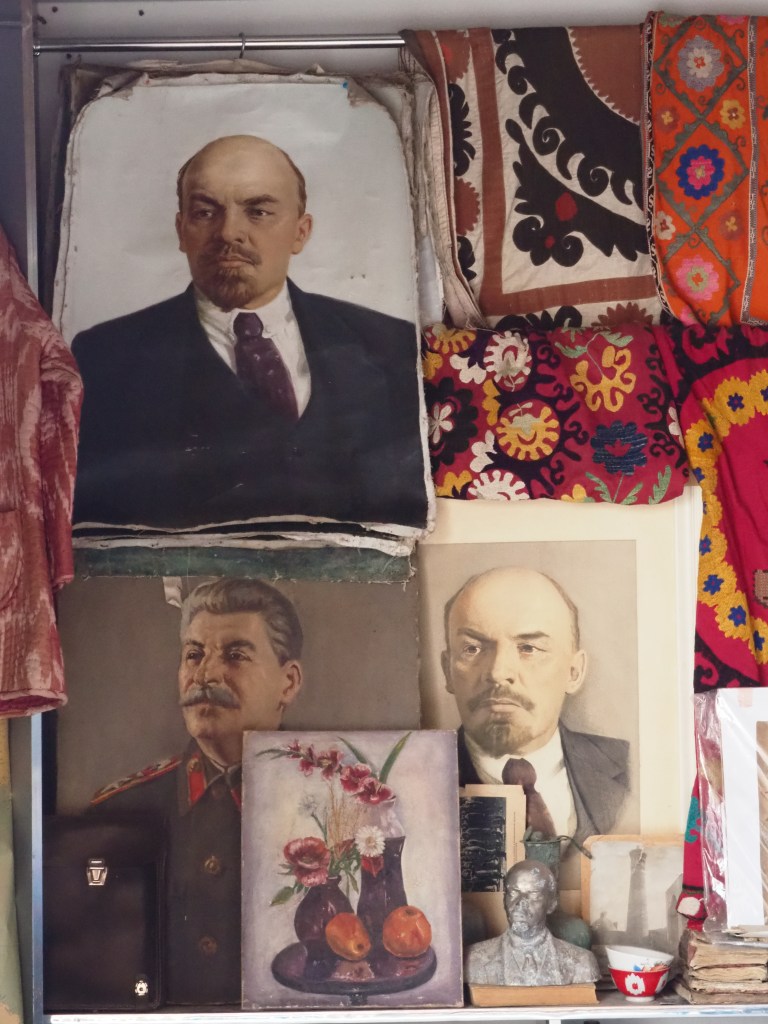
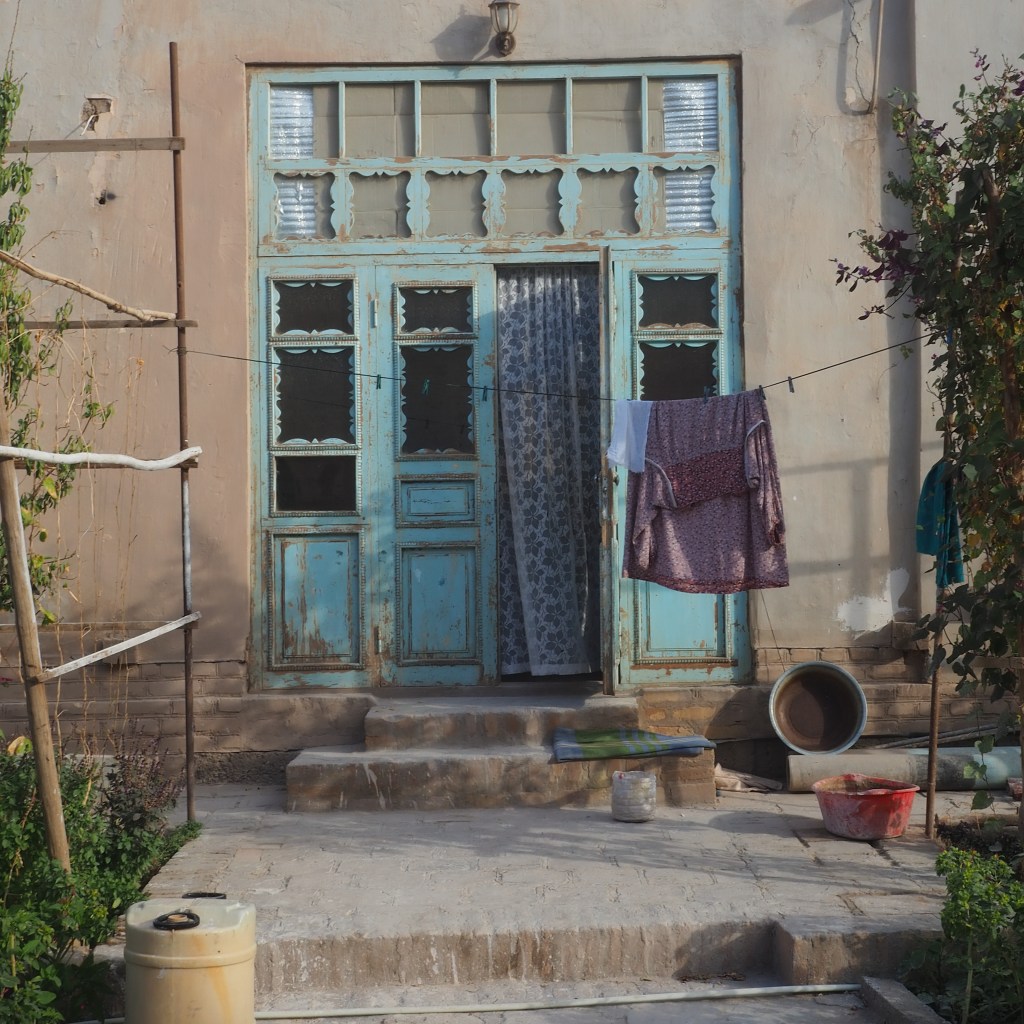
SamarkandPottery 1Pottery 2Pottery 3Suzani workshop 1Suzani workshop 2Traditional paper makingChorsu bazaar, Tashkent 1Chorsu bazaar, Tashkent 2Chorsu bazaar, Tashkent 3Chorsu bazaar, Tashkent 4Chorsu bazaar, Tashkent 5Tashkent earthquake monumentThe road to Khiva 1The road to Khiva 2The road to Khiva 3Bukhara fun fairBukhara antique stallKhiva houseSchoolboyLocal tourists, KhivaBukhara at night
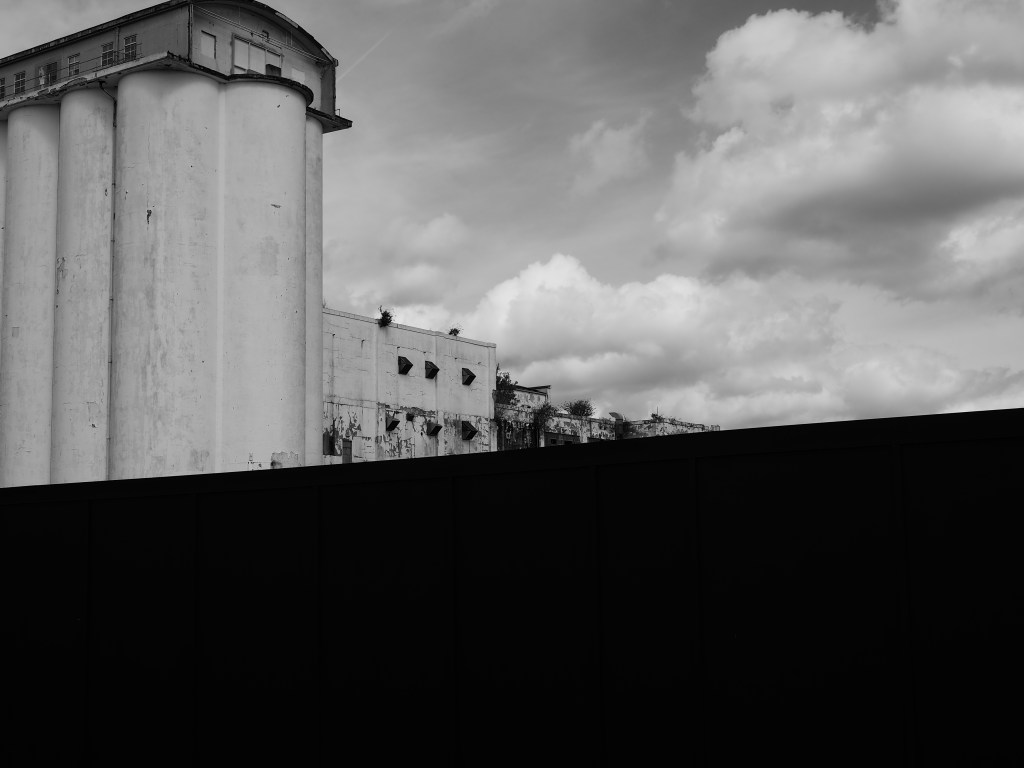
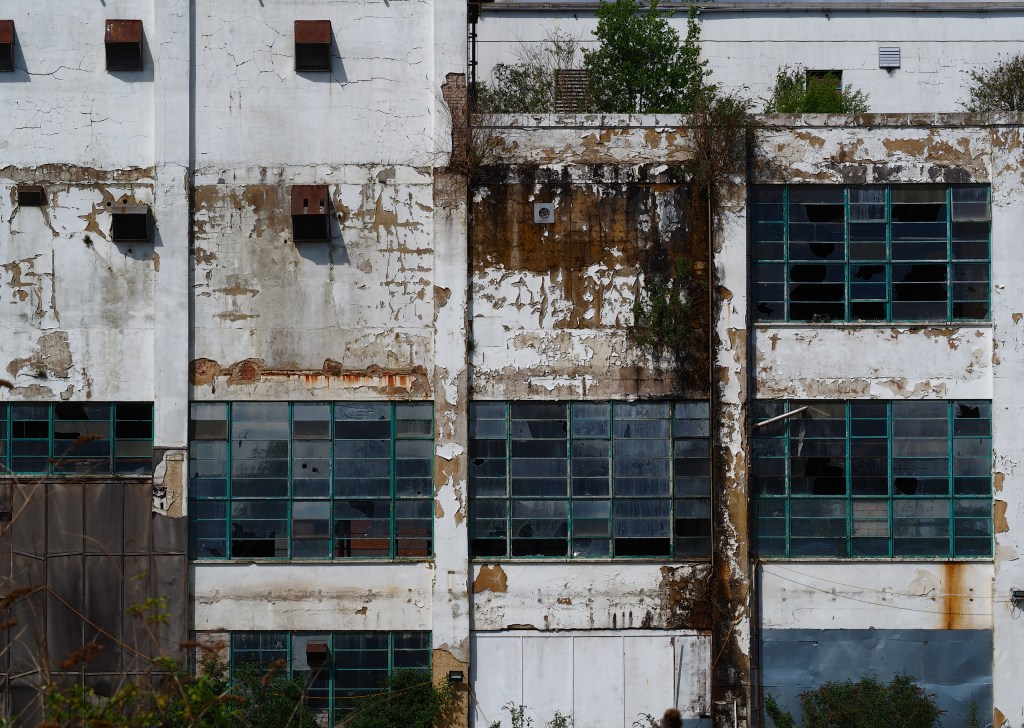
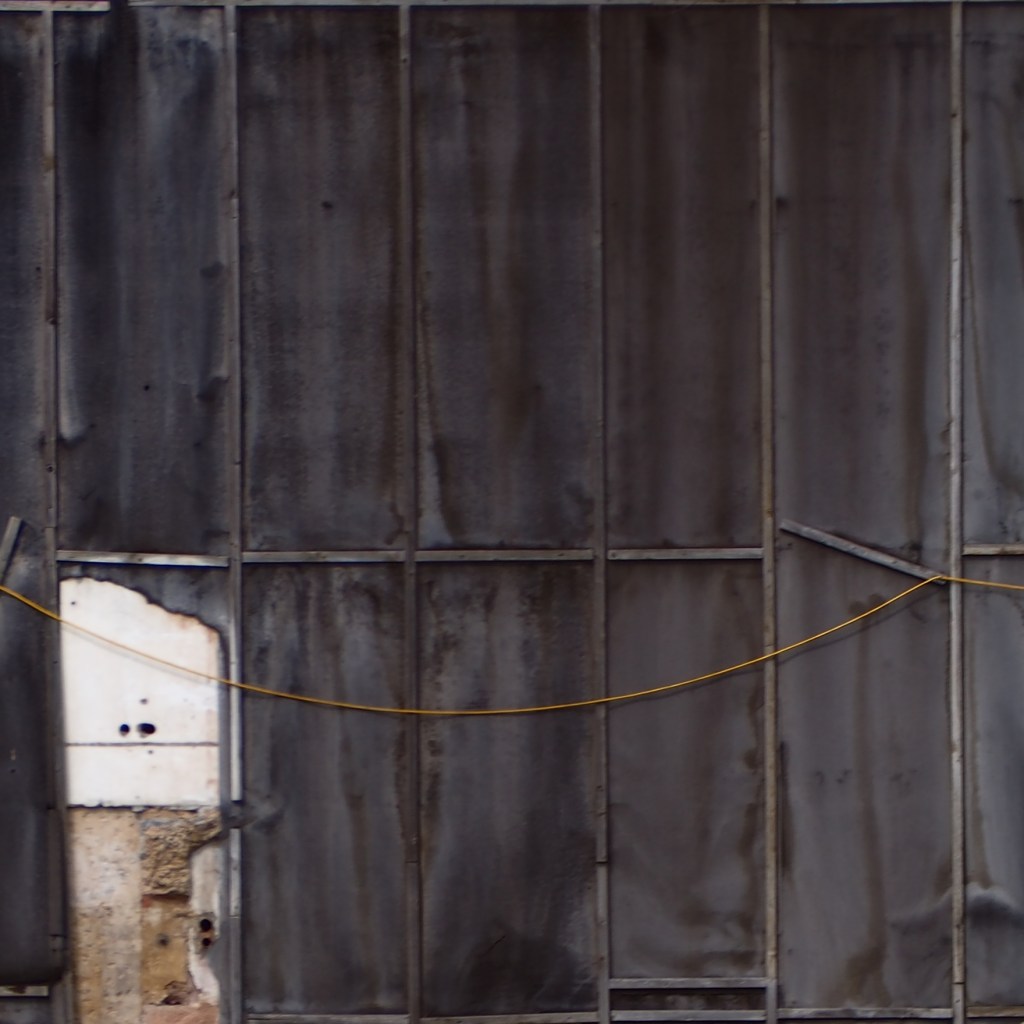
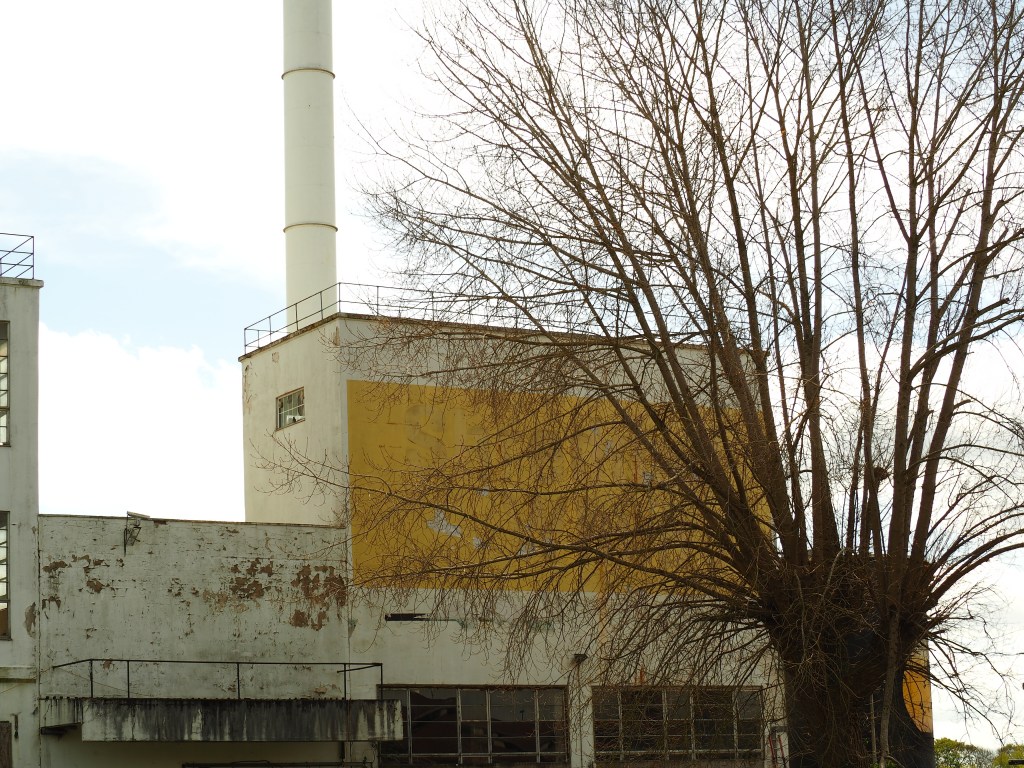
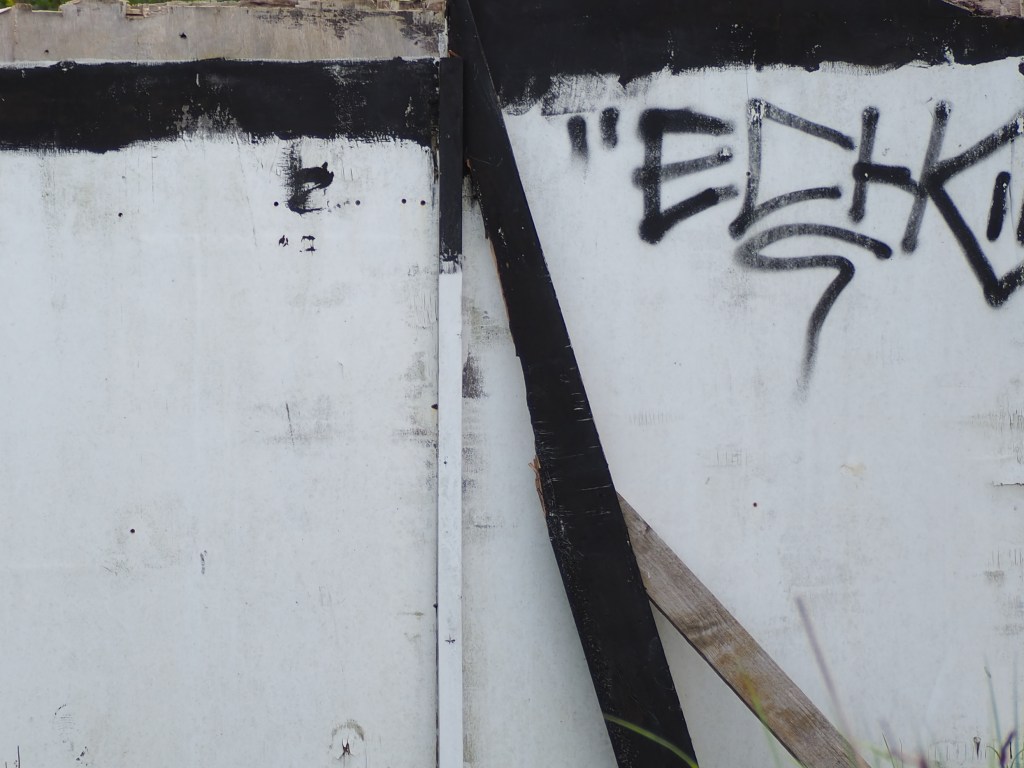
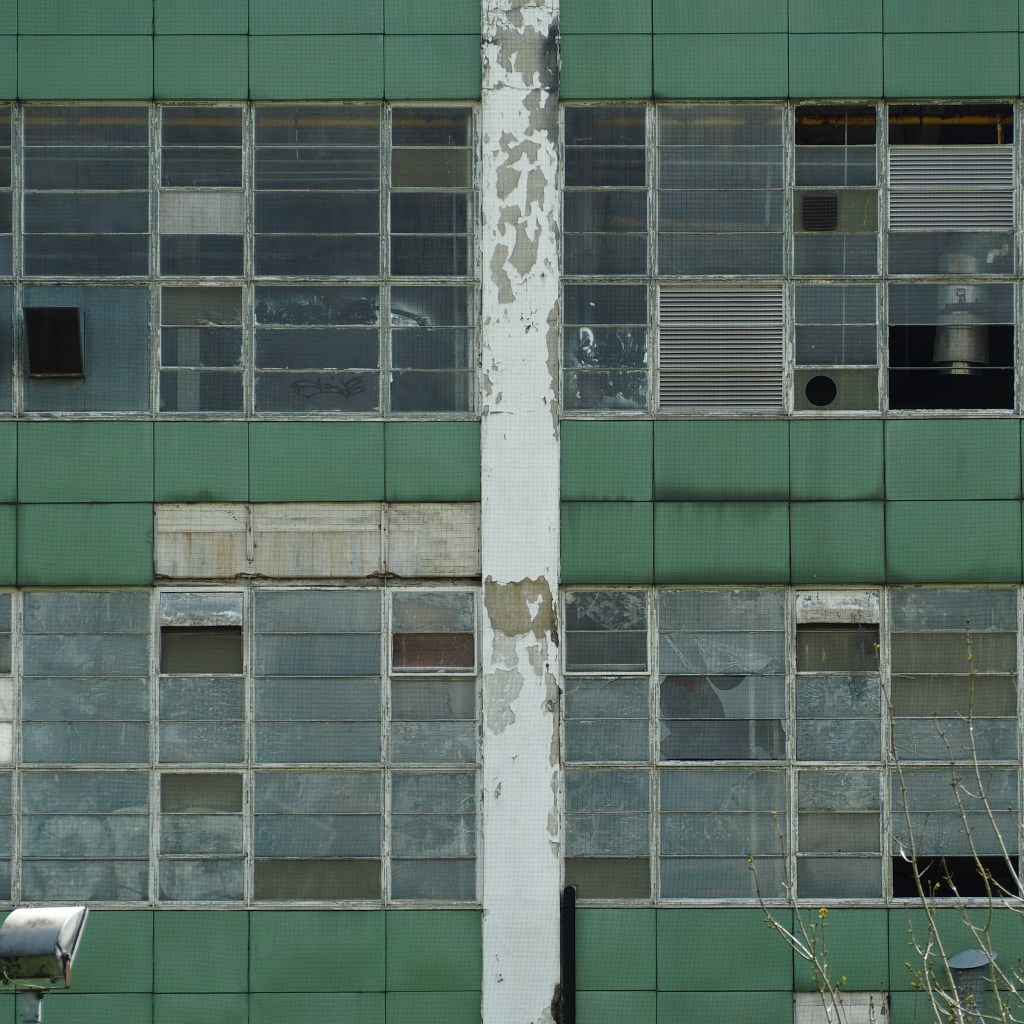
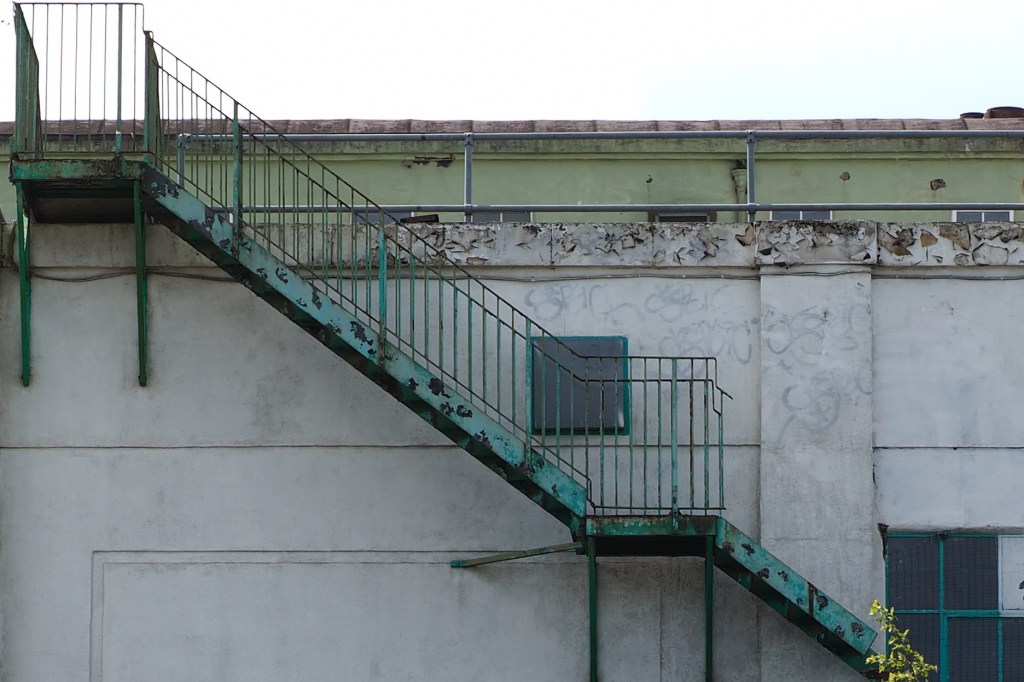
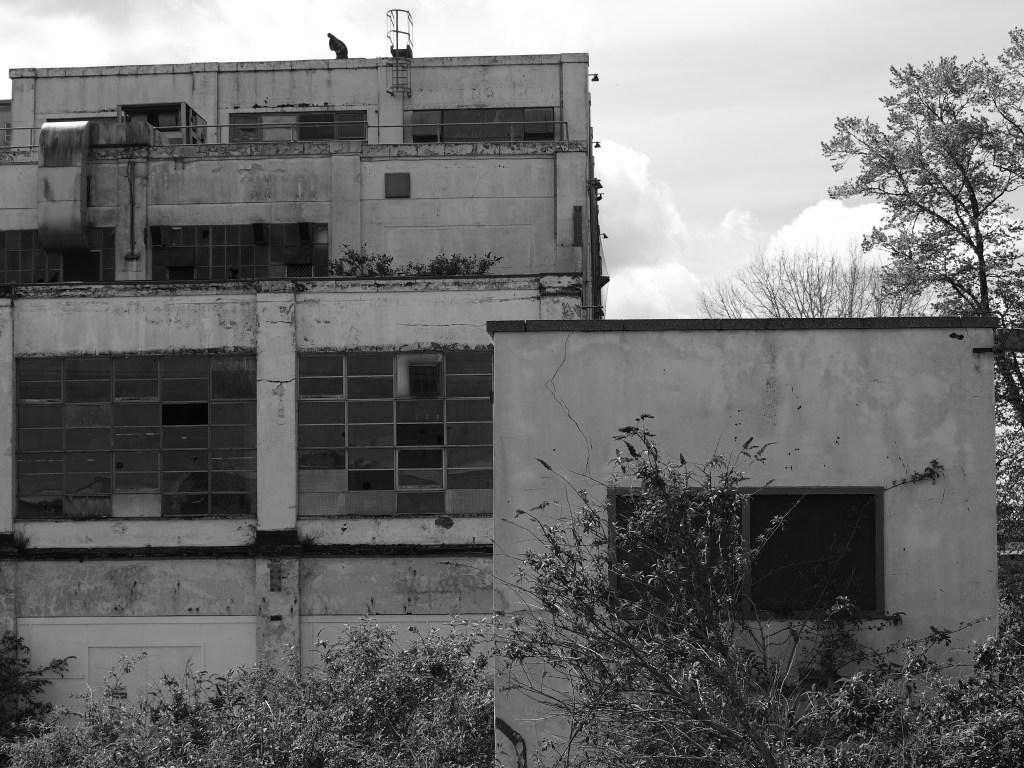
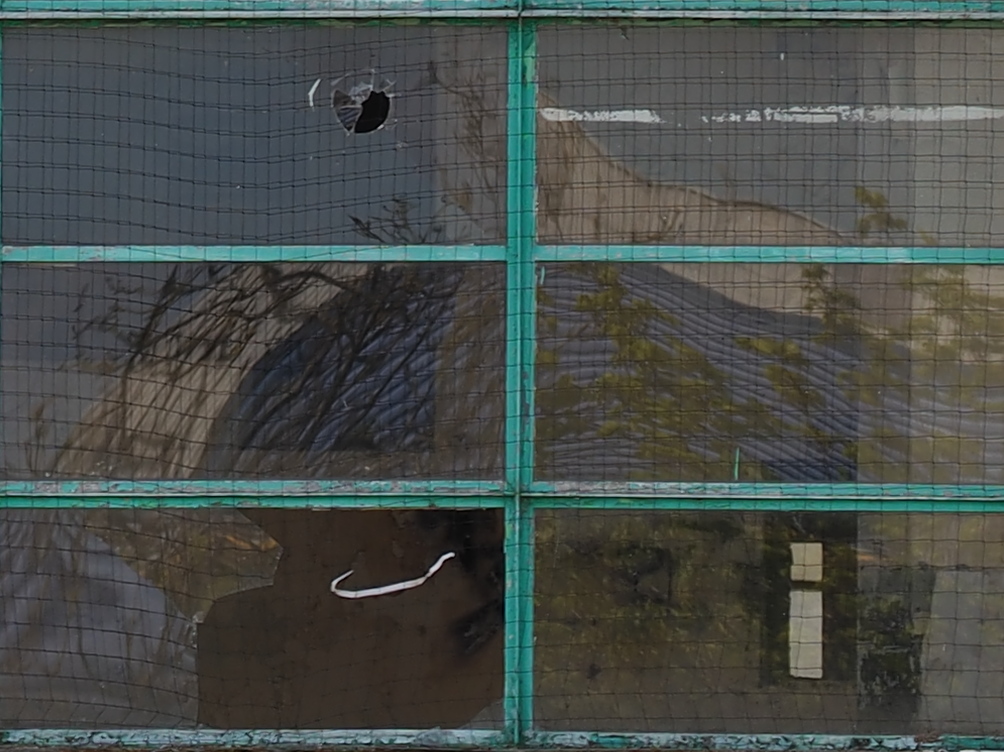
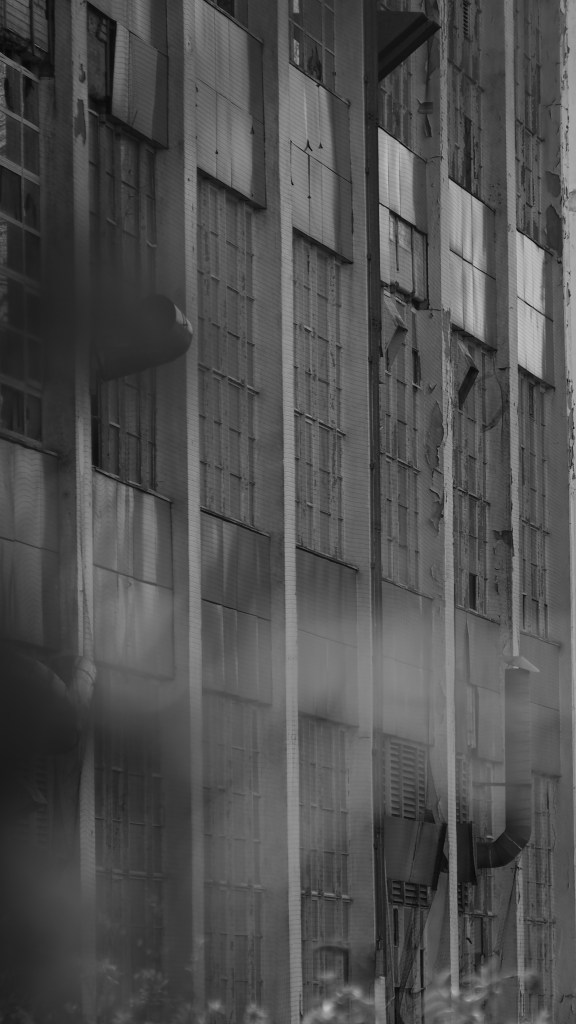
The Shredded Wheat factory at Welwyn Garden City was designed by architect Louis de Soissons in 1925. A walk around the site ahead of complete demolition yielded some shots of the the remains of an iconic building that ranks among the best examples of early 20th century industrial architecture. As it peels and crumbles it offers new ways of looking. With a flattened depth of field, the window panels and shattered panes, the distressed paintwork, and the broken screening can be viewed as abstract, accidental constructs. They are dynamic, changing with every blast of wind, act of vandalism, or water leak that precedes the wrecking ball. Stand back and look at the remaining buildings. Flatten the perspective. The design and the materials and construction techniques render the factory as collections of planes and panels, juxtaposed here, overlapping there.
OLYMPUS DIGITAL CAMERAOLYMPUS DIGITAL CAMERAOLYMPUS DIGITAL CAMERAOLYMPUS DIGITAL CAMERAOLYMPUS DIGITAL CAMERAOLYMPUS DIGITAL CAMERAOLYMPUS DIGITAL CAMERAOLYMPUS DIGITAL CAMERAOLYMPUS DIGITAL CAMERAOLYMPUS DIGITAL CAMERAOLYMPUS DIGITAL CAMERAOLYMPUS DIGITAL CAMERA
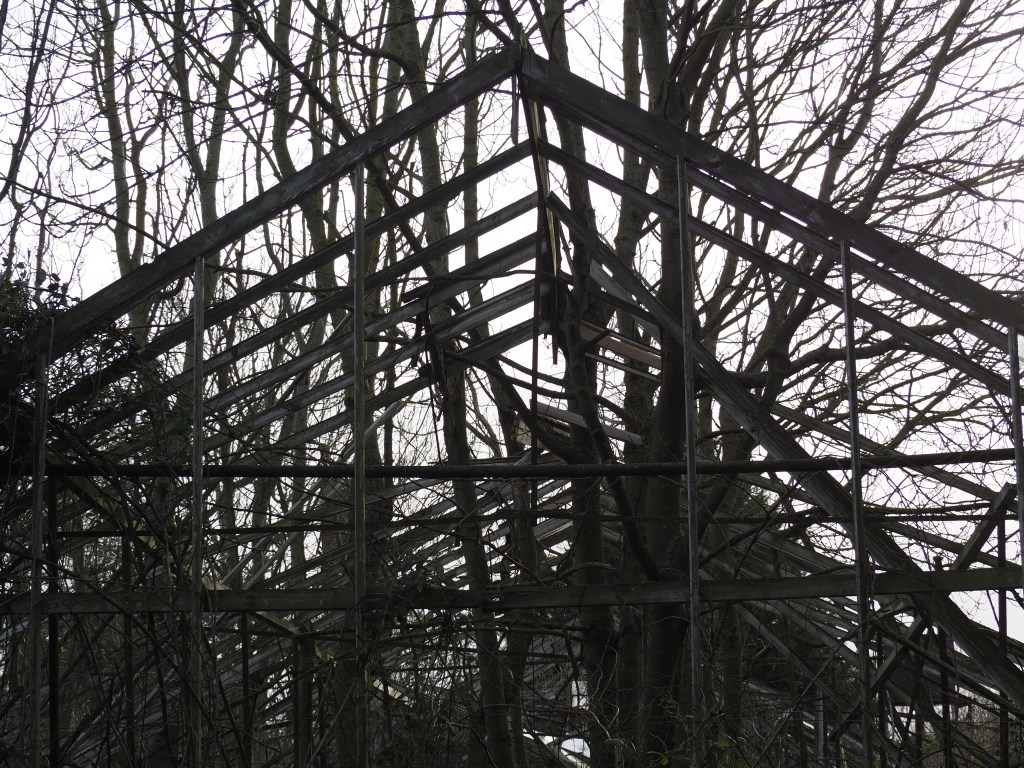
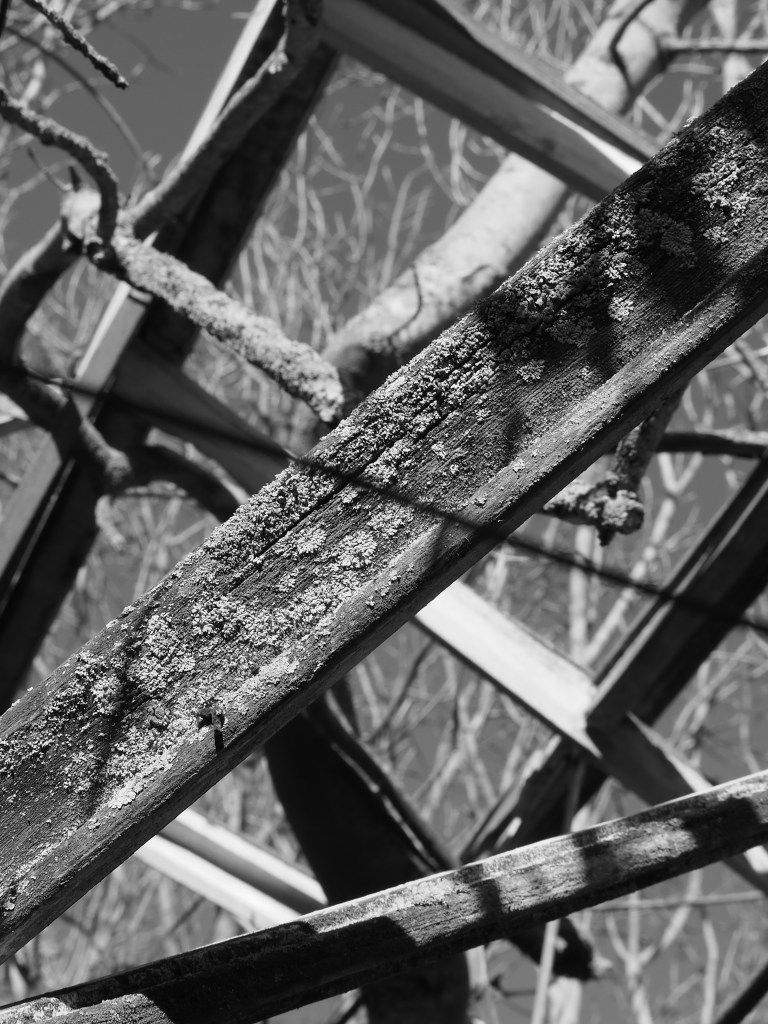
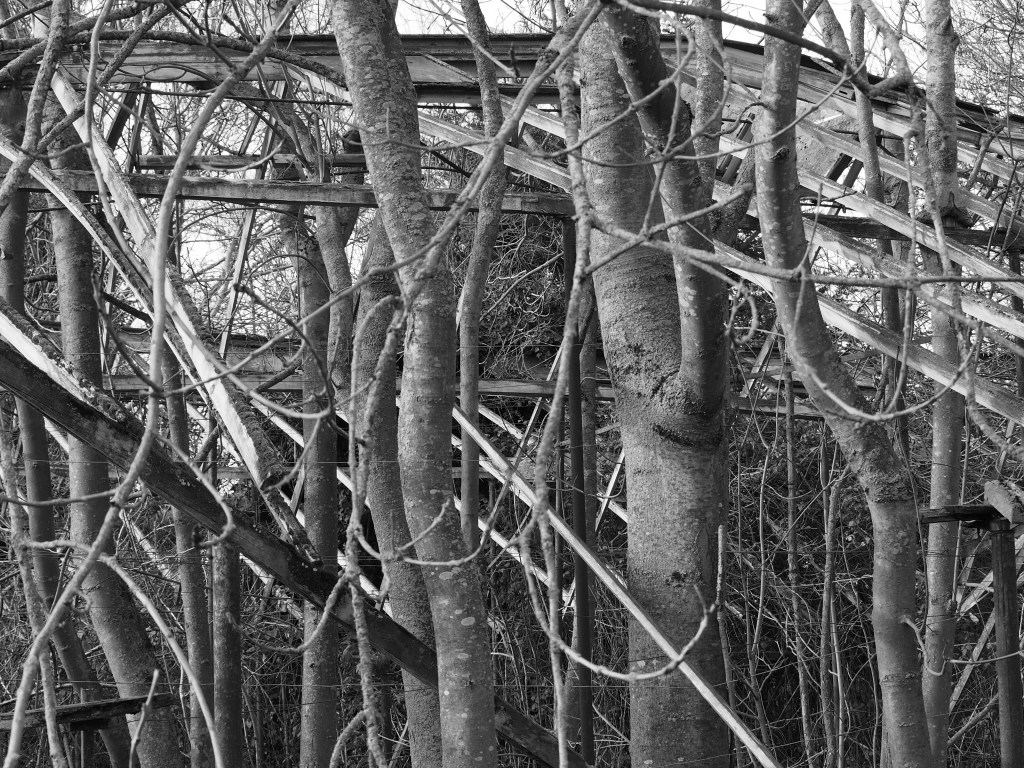
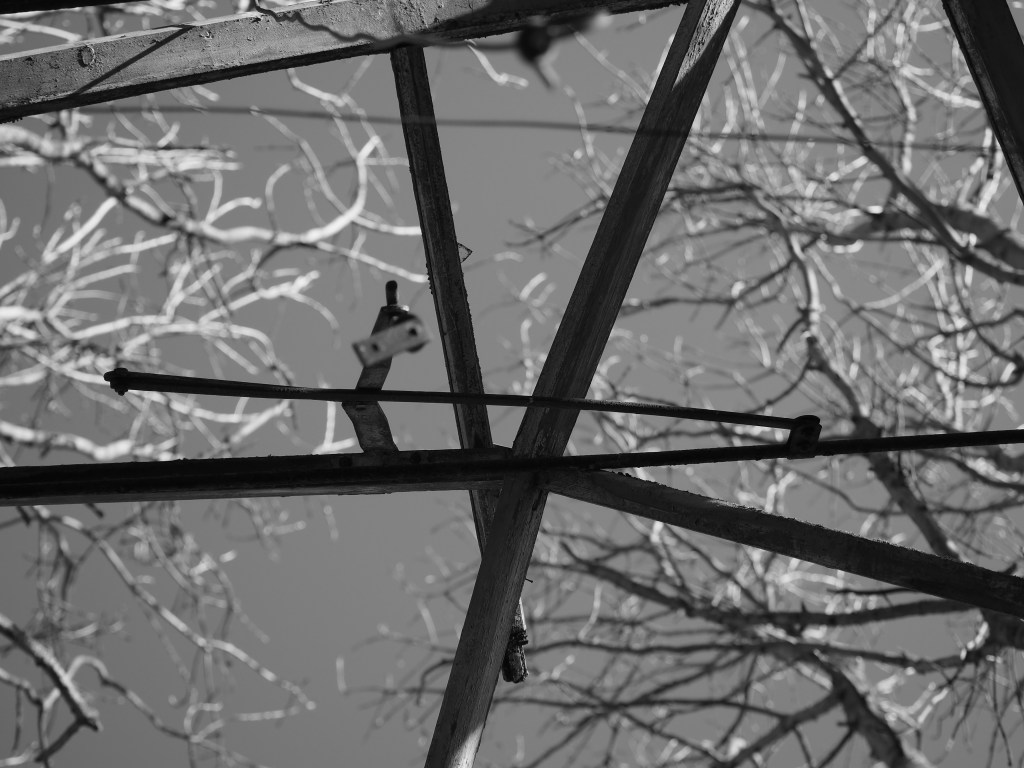
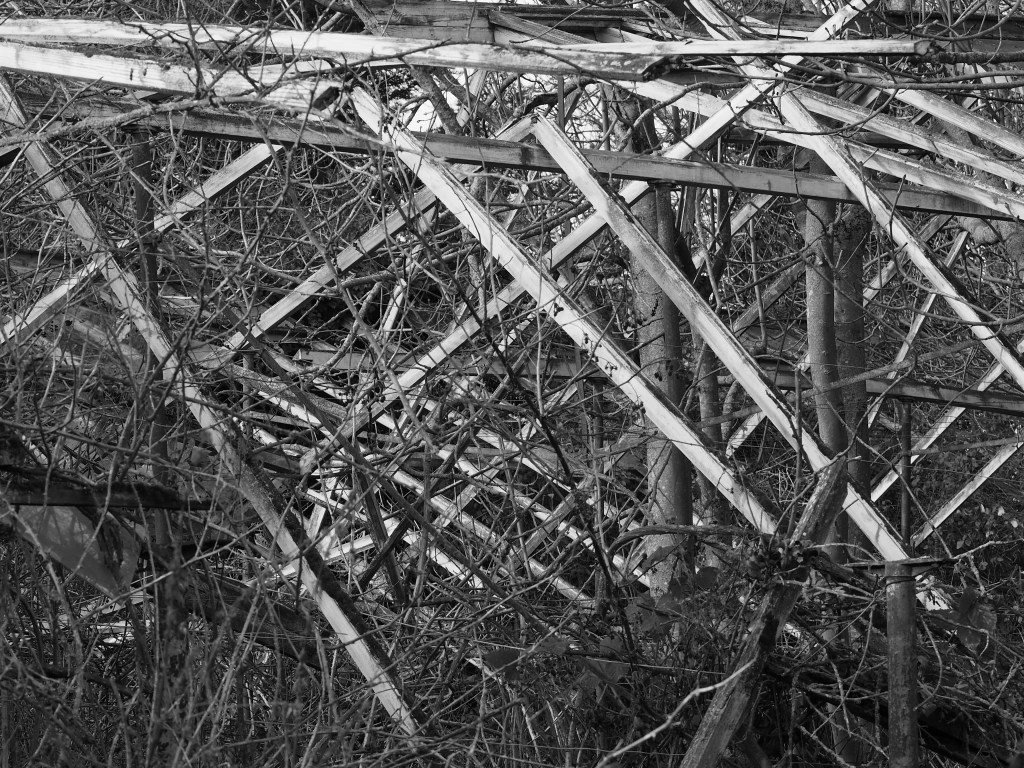
The patch was cleared to put up the commercial greenhouses. Decades later, the greenhouses failed and spiralled into disrepair. The vegetation is reasserting its claim. For now, there is stasis with neither the manmade structure nor nature prevailing. At this moment – which may end with Spring growth – the measured angles and straight lines of the collapsing artifice are interwoven with an unruly growth decided by wind, rain and sun, sometimes complementing, sometimes clashing.
OLYMPUS DIGITAL CAMERAOLYMPUS DIGITAL CAMERAOLYMPUS DIGITAL CAMERAOLYMPUS DIGITAL CAMERAOLYMPUS DIGITAL CAMERAOLYMPUS DIGITAL CAMERAOLYMPUS DIGITAL CAMERAOLYMPUS DIGITAL CAMERA
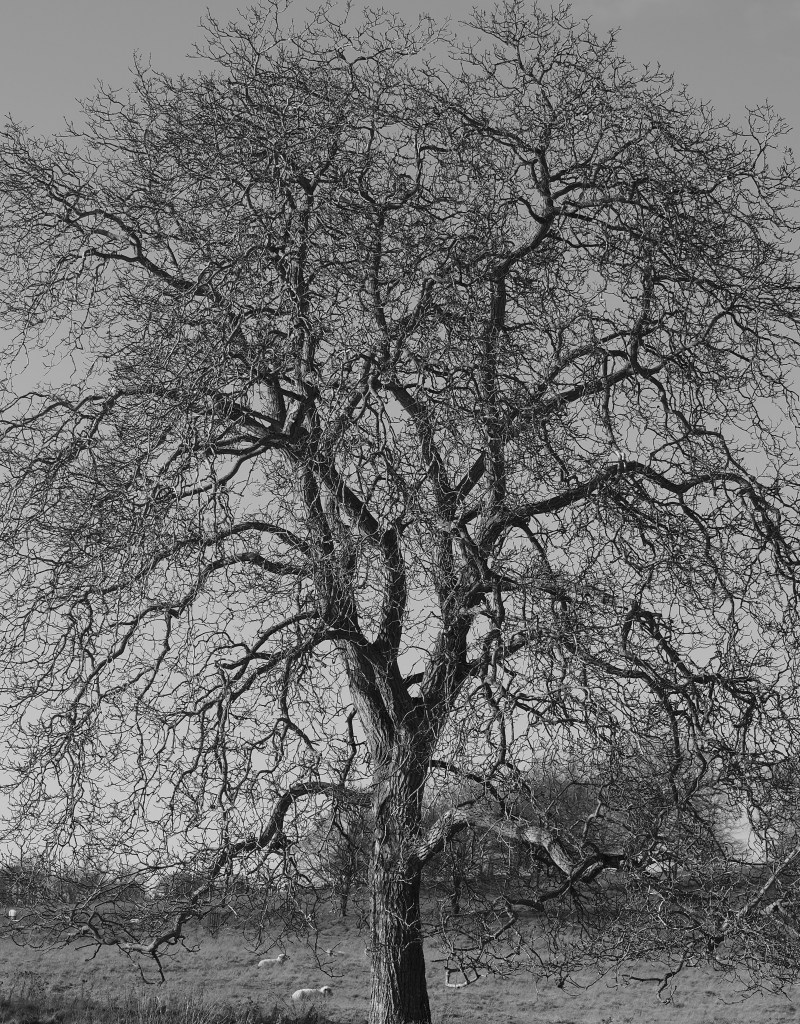
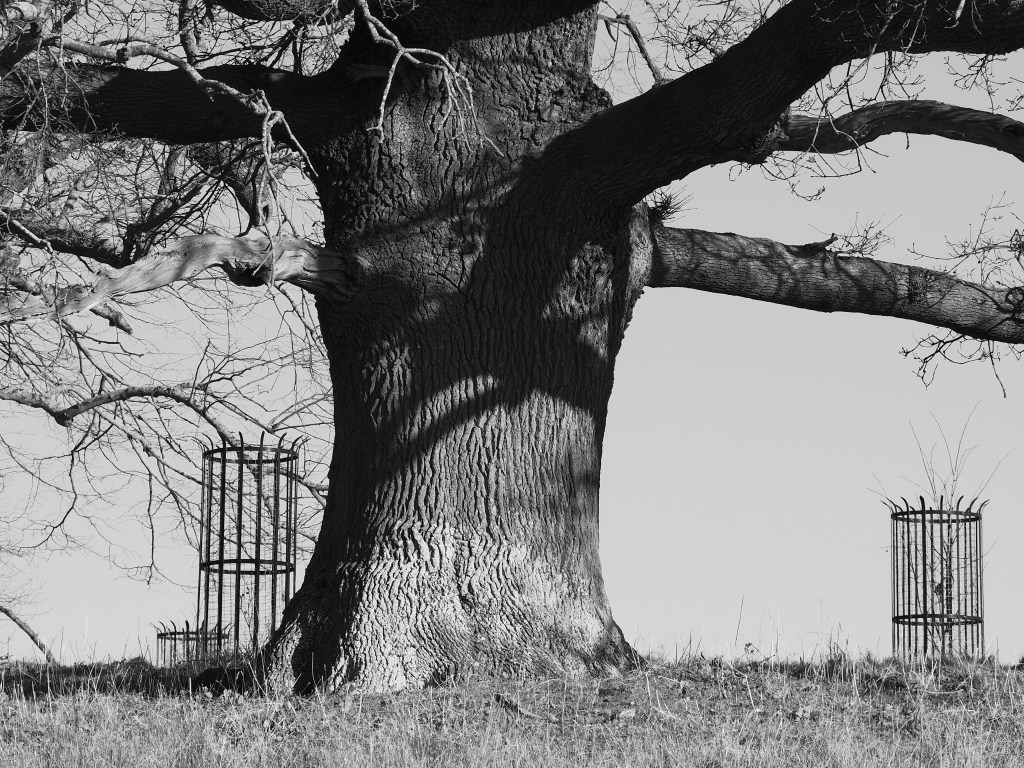
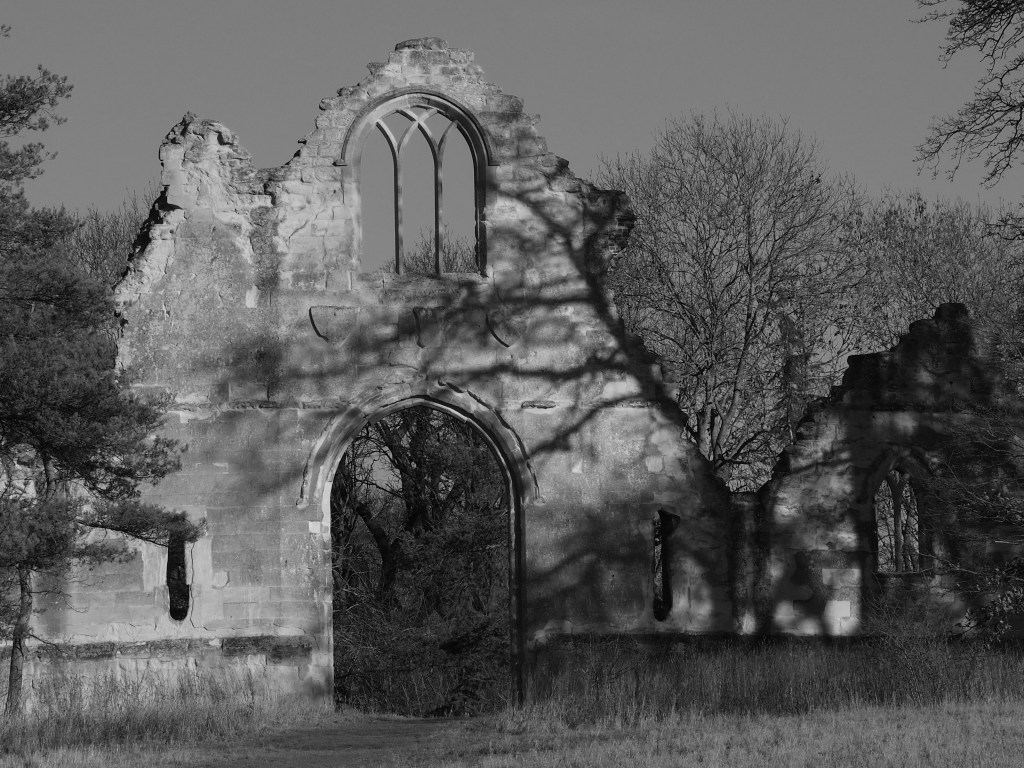
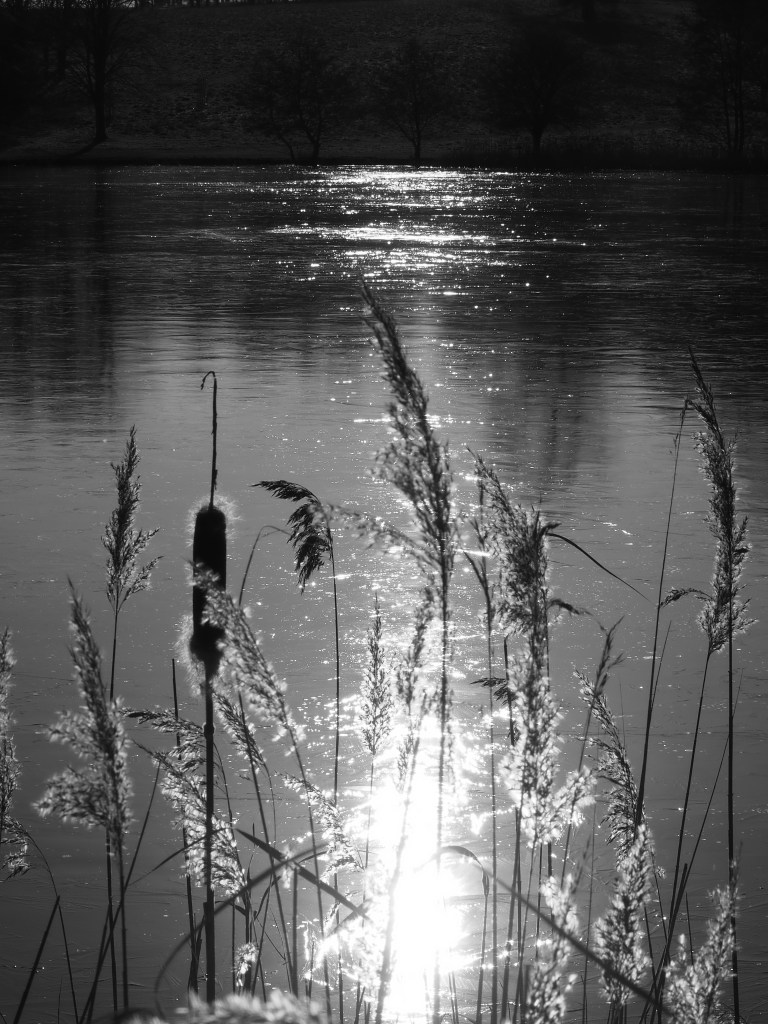
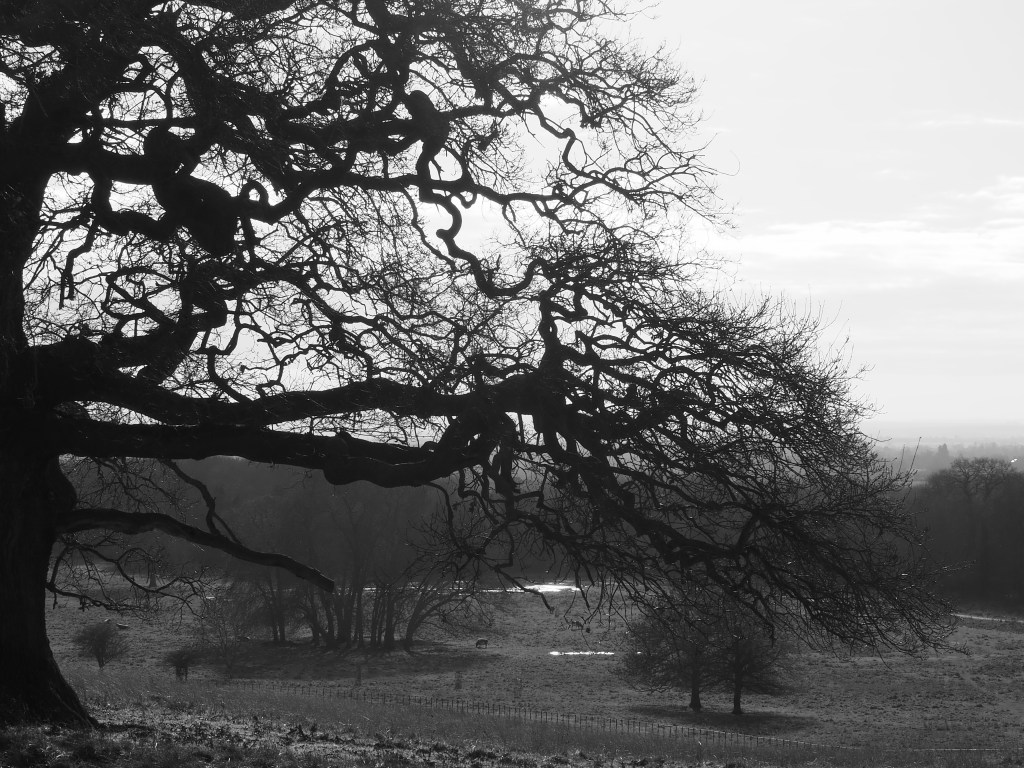
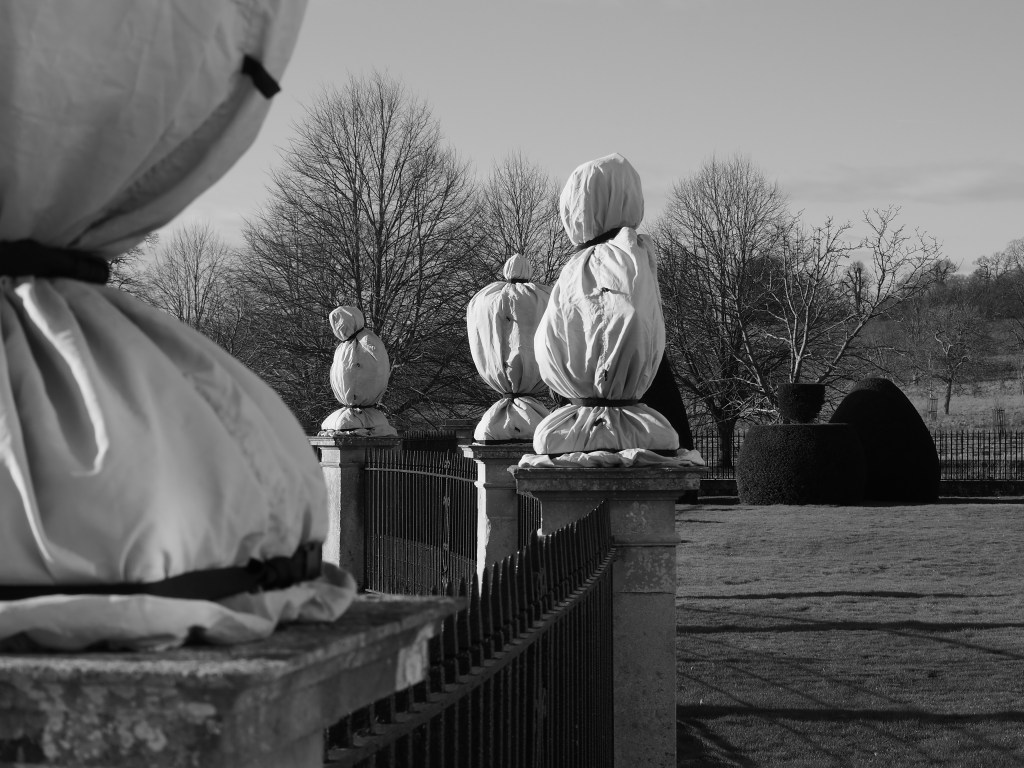
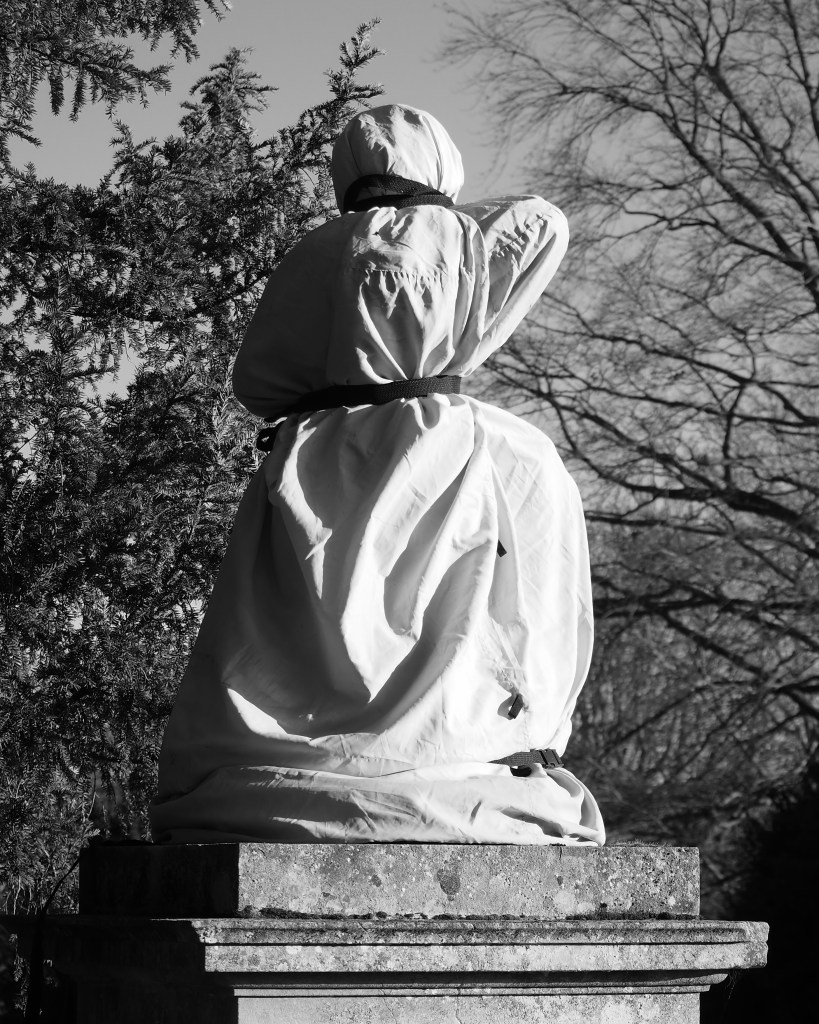
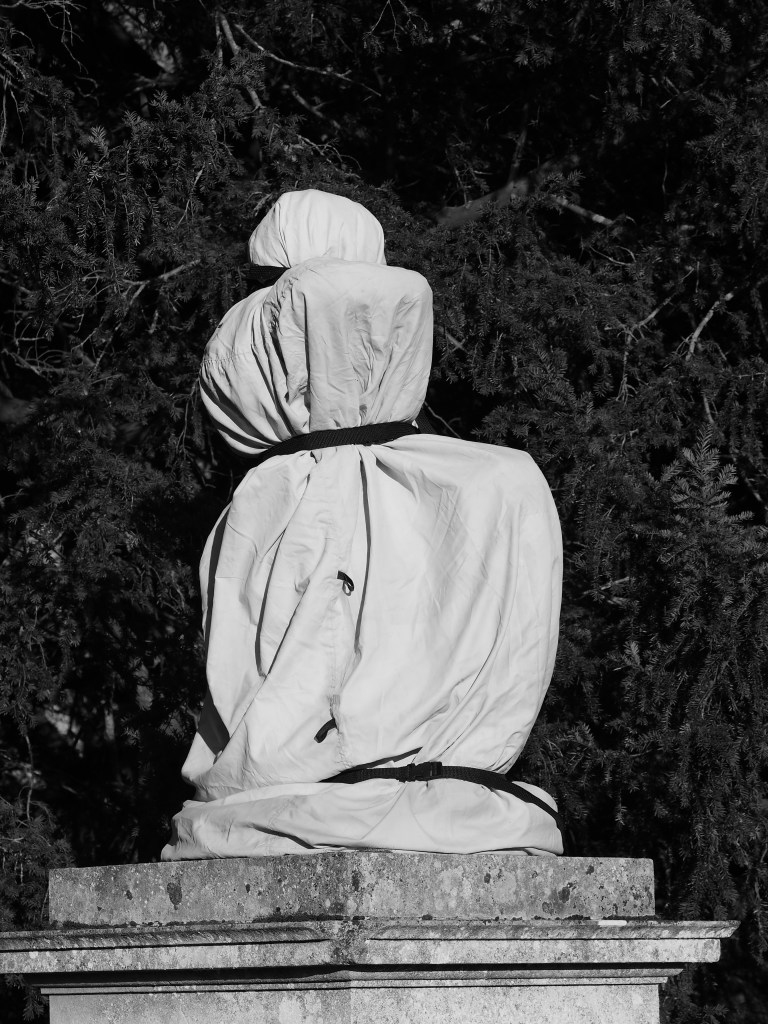
Wimpole Hall is a National Trust property with a vast landscaped park. It has its folly castle and lake, a walled garden, and a stately home complete with a seemingly endless view along an avenue of trees.
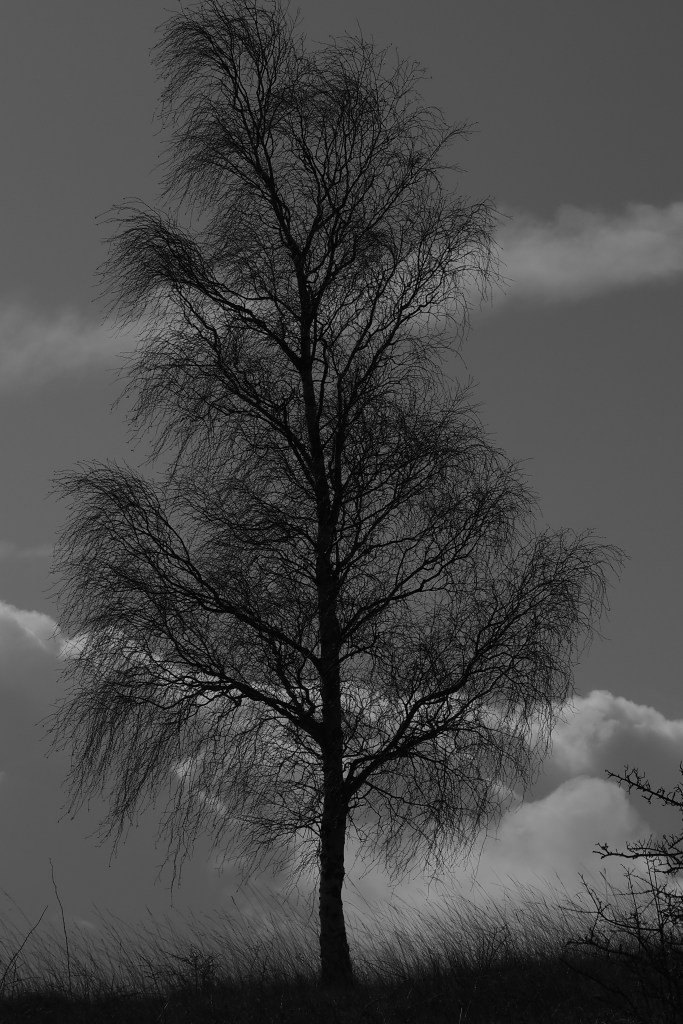
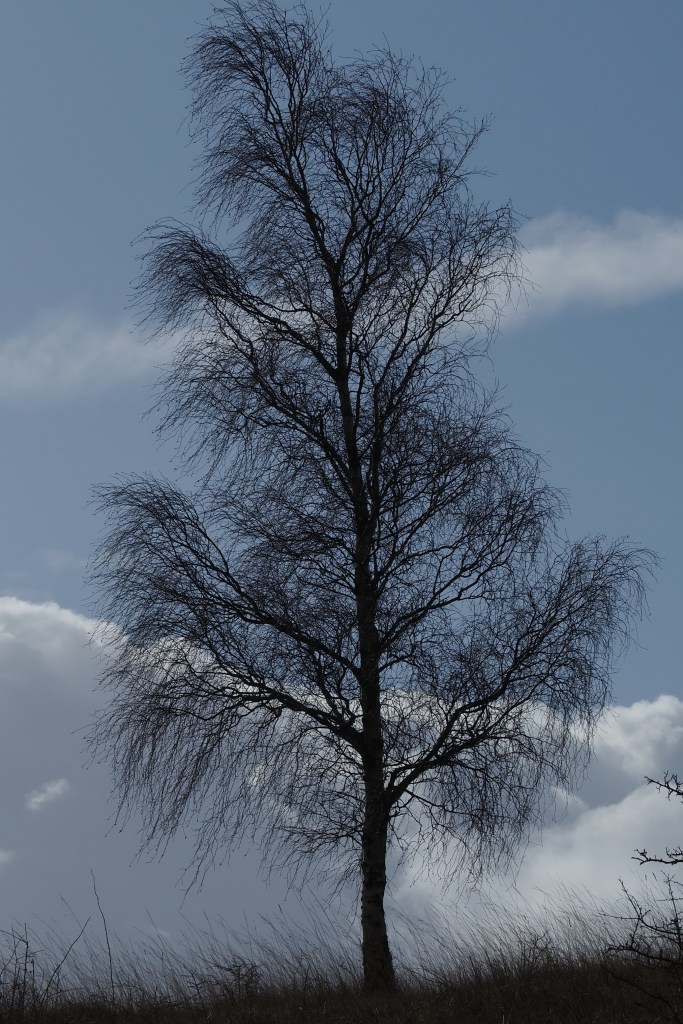
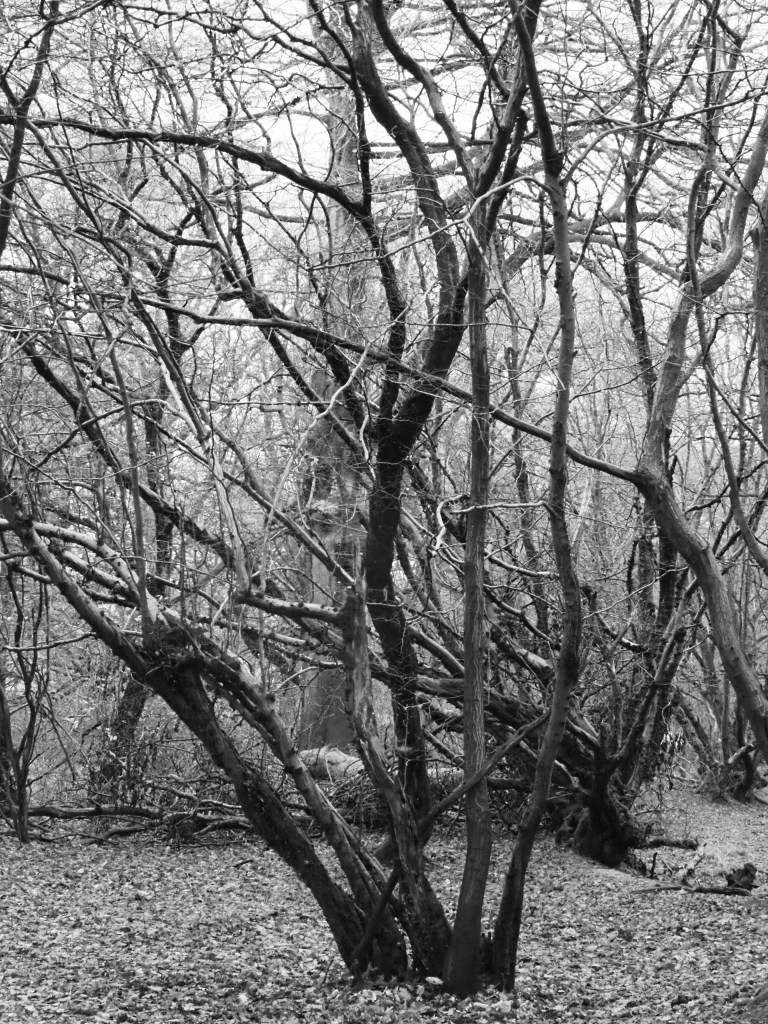
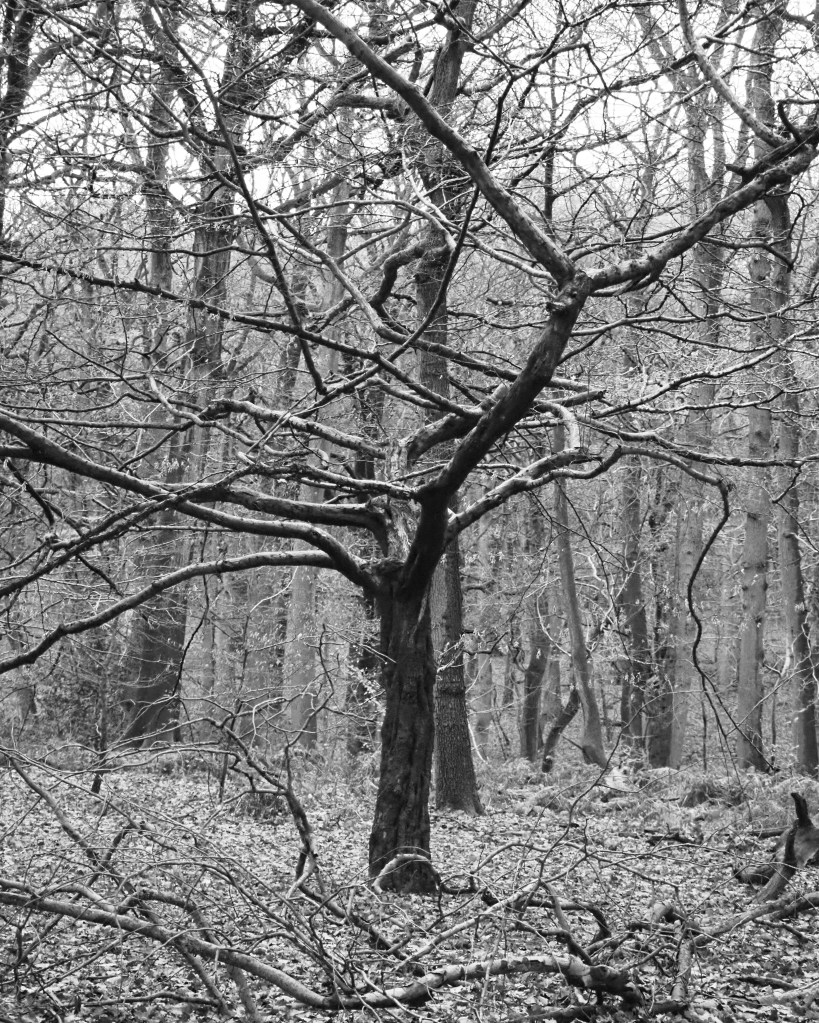
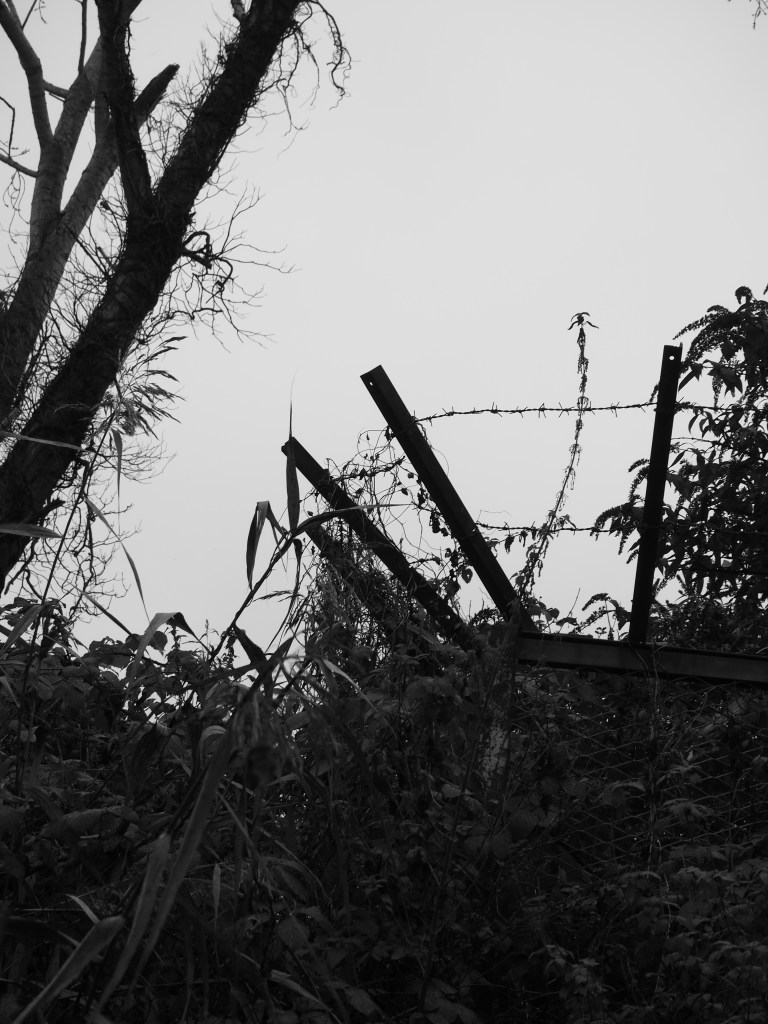
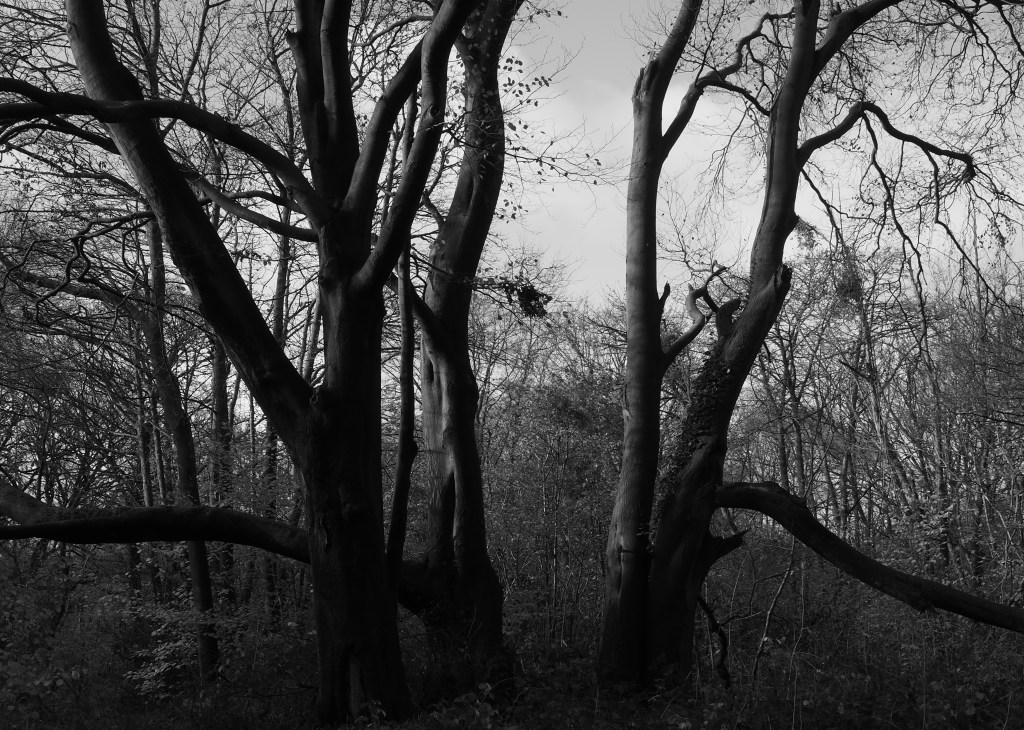
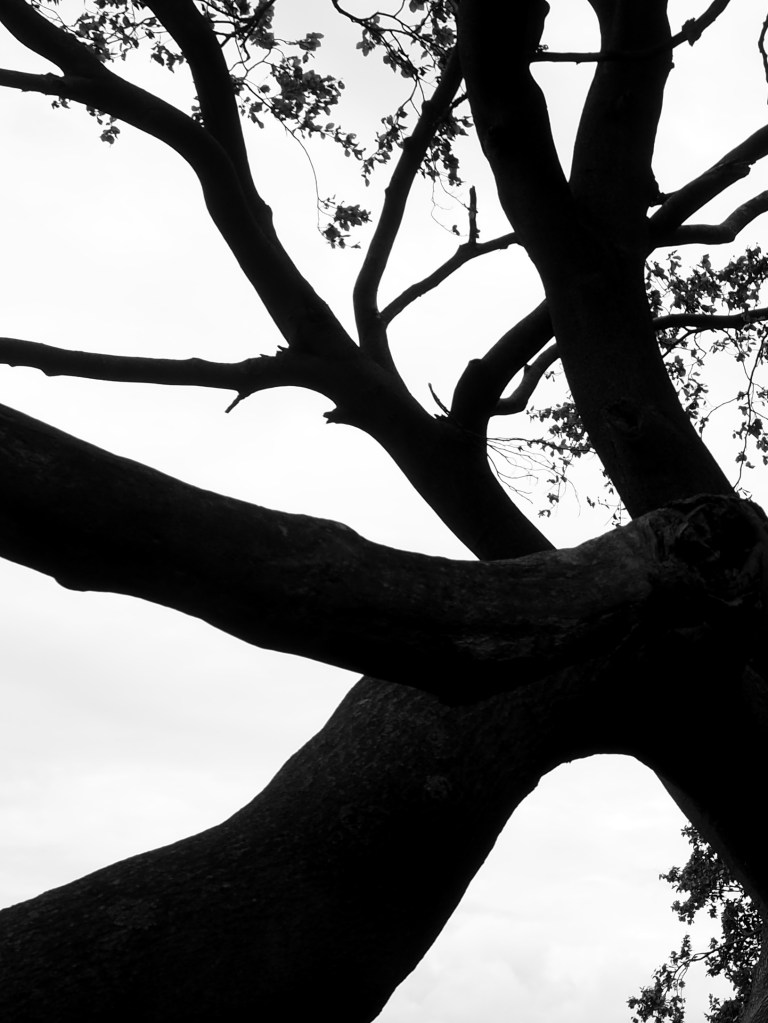
In winter the park offers skeletal trees, some fractal, some colossal, and vistas over the surrounding countryside. But skirt around the house on a freezing day and is there something of the Gothic horror lurking?
OLYMPUS DIGITAL CAMERAOLYMPUS DIGITAL CAMERAOLYMPUS DIGITAL CAMERAOLYMPUS DIGITAL CAMERAOLYMPUS DIGITAL CAMERAOLYMPUS DIGITAL CAMERAOLYMPUS DIGITAL CAMERAOLYMPUS DIGITAL CAMERAOLYMPUS DIGITAL CAMERAOLYMPUS DIGITAL CAMERA
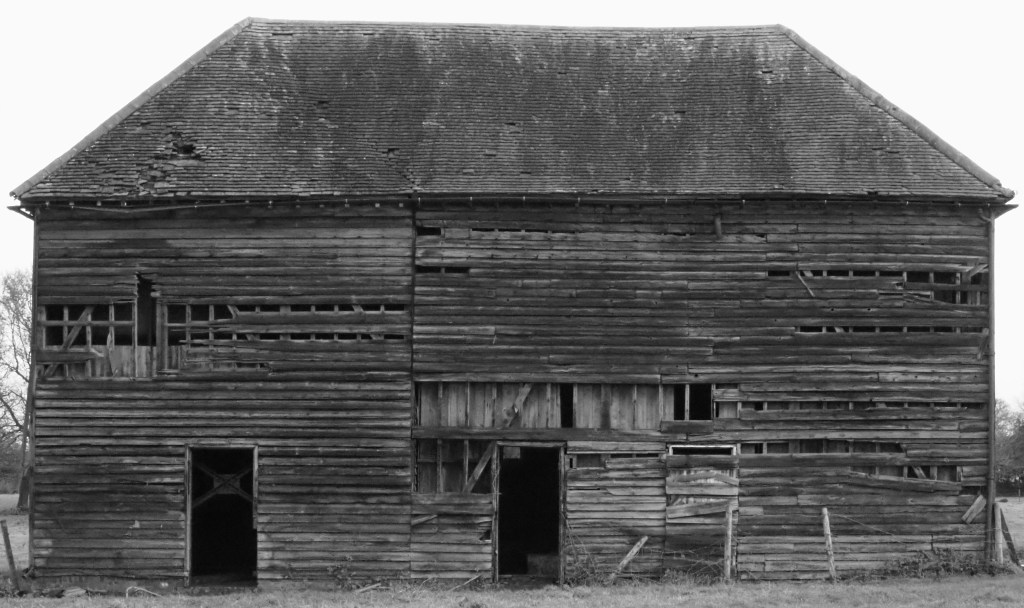
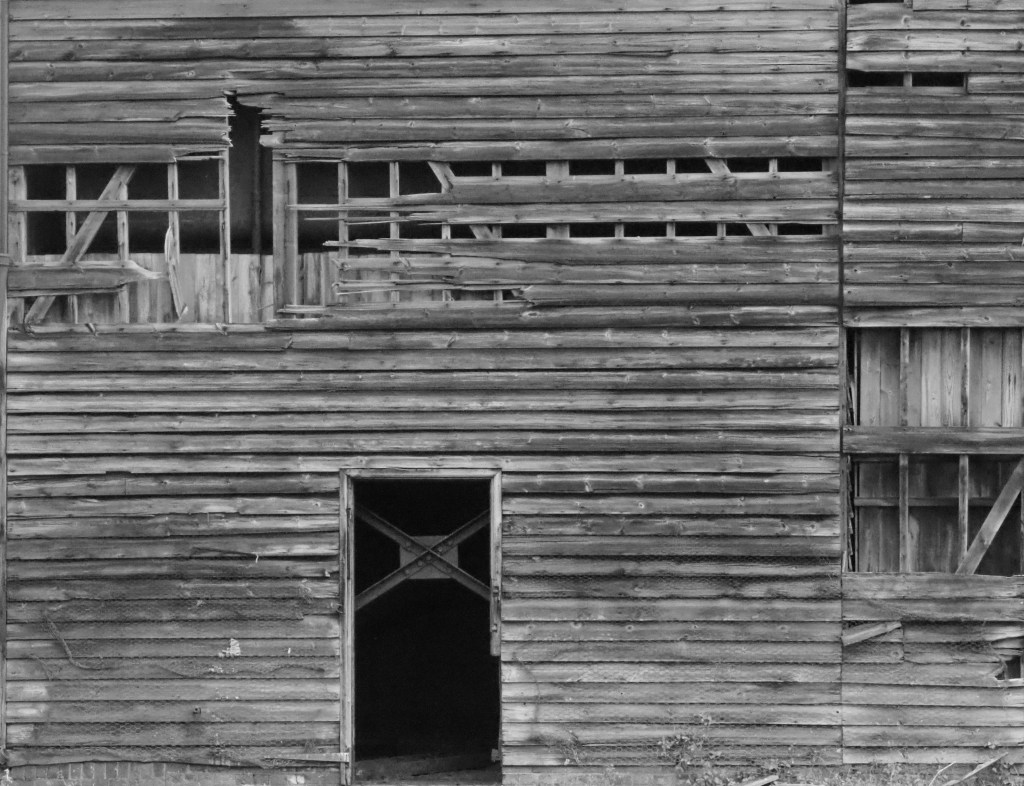
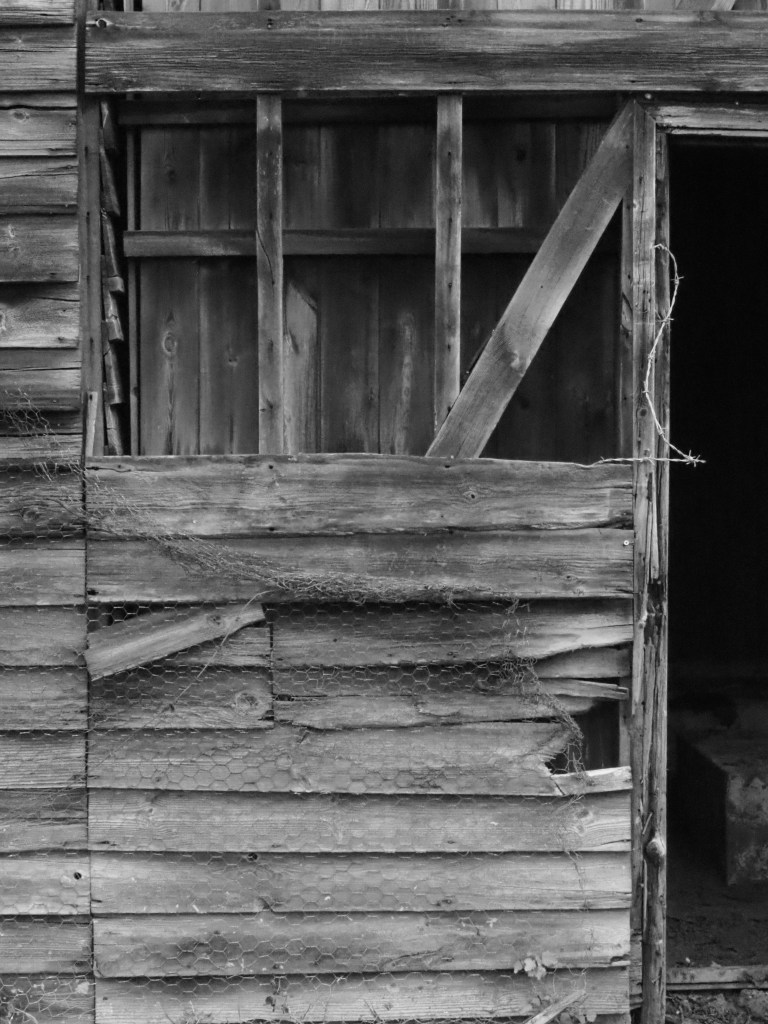
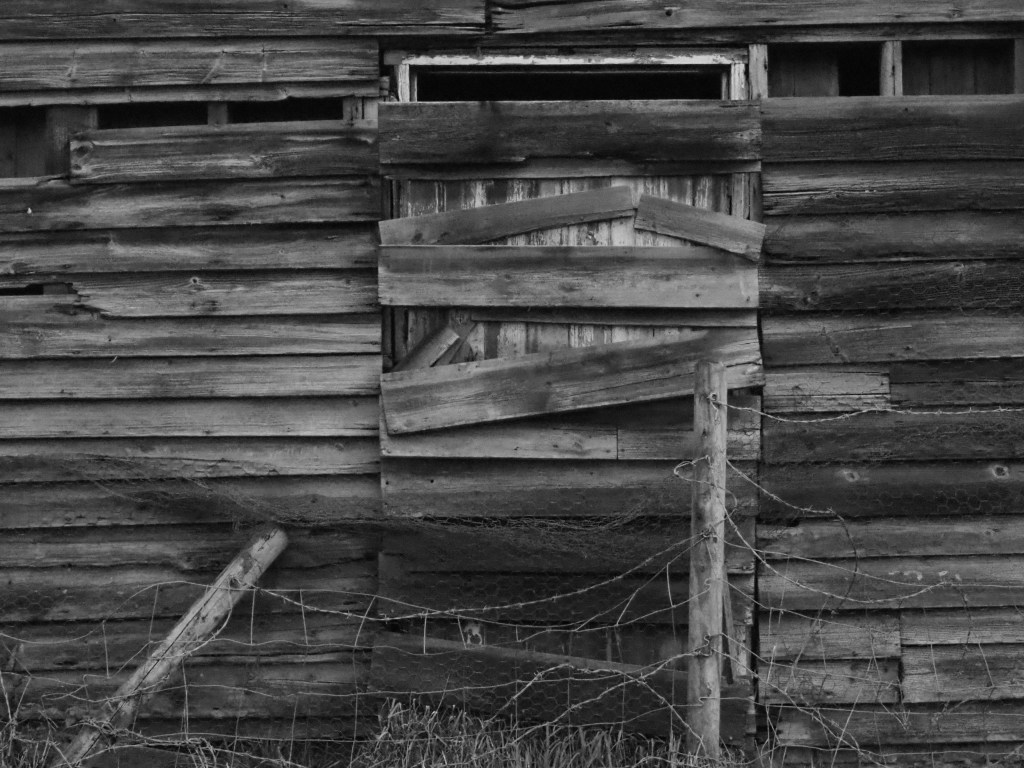
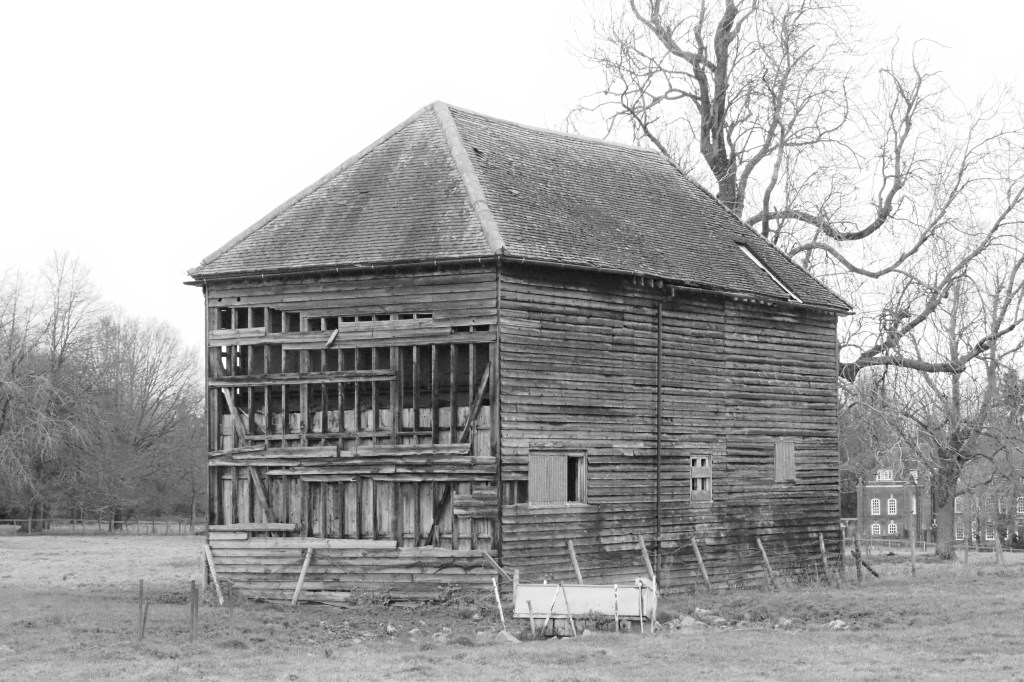
In fact, it’s not a barn, rather an old waterworks building. It’s frequently photographed, and for good reason. There is little surrounding clutter in a field on high ground. The clapperboard construction gives tones and contrasts and definition heightened by its dereliction. I think these come out best in monochrome although its autumn colours are enchanting.
OLYMPUS DIGITAL CAMERAOLYMPUS DIGITAL CAMERAOLYMPUS DIGITAL CAMERAOLYMPUS DIGITAL CAMERAOLYMPUS DIGITAL CAMERAOLYMPUS DIGITAL CAMERAOLYMPUS DIGITAL CAMERA
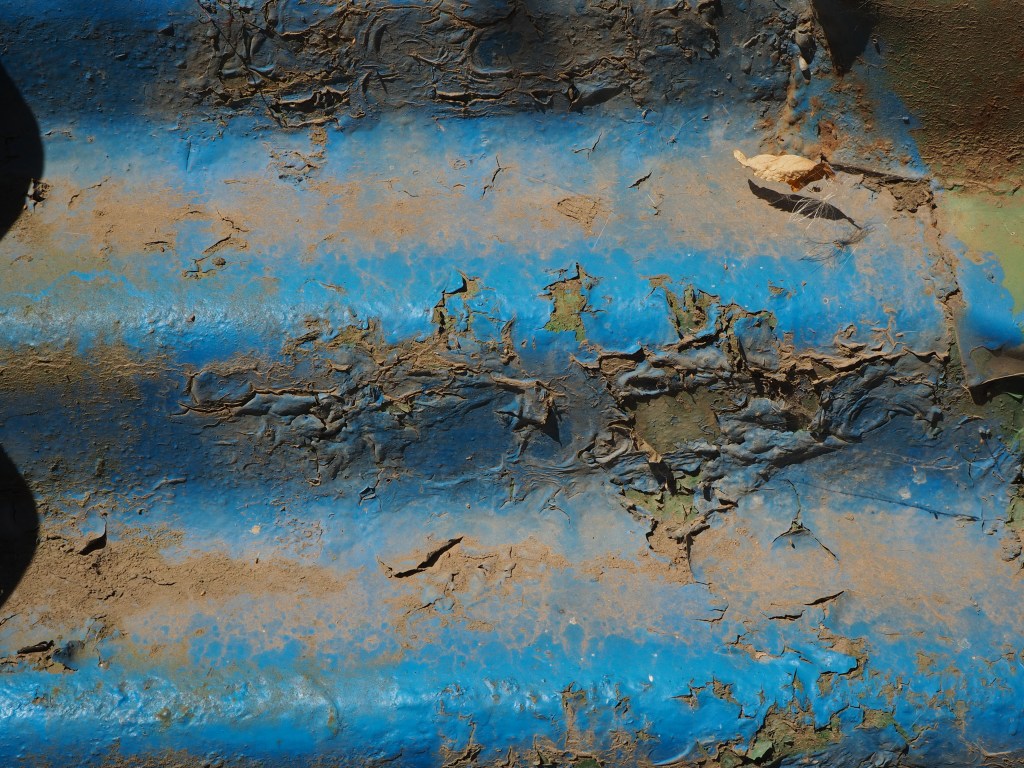
It would be a pity not to celebrate this last burst of sun and light for the year with something vivid. So here’s one thing old, three things new, nothing borrowed and a bit of blue.
OLYMPUS DIGITAL COLYMPUS DIGITAL CAMEROLYMPUS DIGITAL CAMEROLYMPUS DIGITAL CAMEROLYMPUS DIGITAL CAMERAOLYMPUS DIGITAL CAMERAOLYMPUS DIGITAL CAMERAOLYMPUS DIGITAL CAMERAOLYMPUS DIGITAL CAMERA
There’s a new home page on Walsworthblog.com with dancers, ghosts and portraits from the gardens at Wrest Park, the stately home in Bedfordshire. See it here.